Japan announced on July 16 the purchase of 27,500 next-generation Rubin AI chips from Nvidia to develop a homegrown foundational AI model focused on robotics applications. The project will be overseen by Noetra Corp, a newly formed consortium backed by ¥387.3 billion (about US$2.4 billion) in government funds through March 2027 [1, 2, 3, 4, 5].
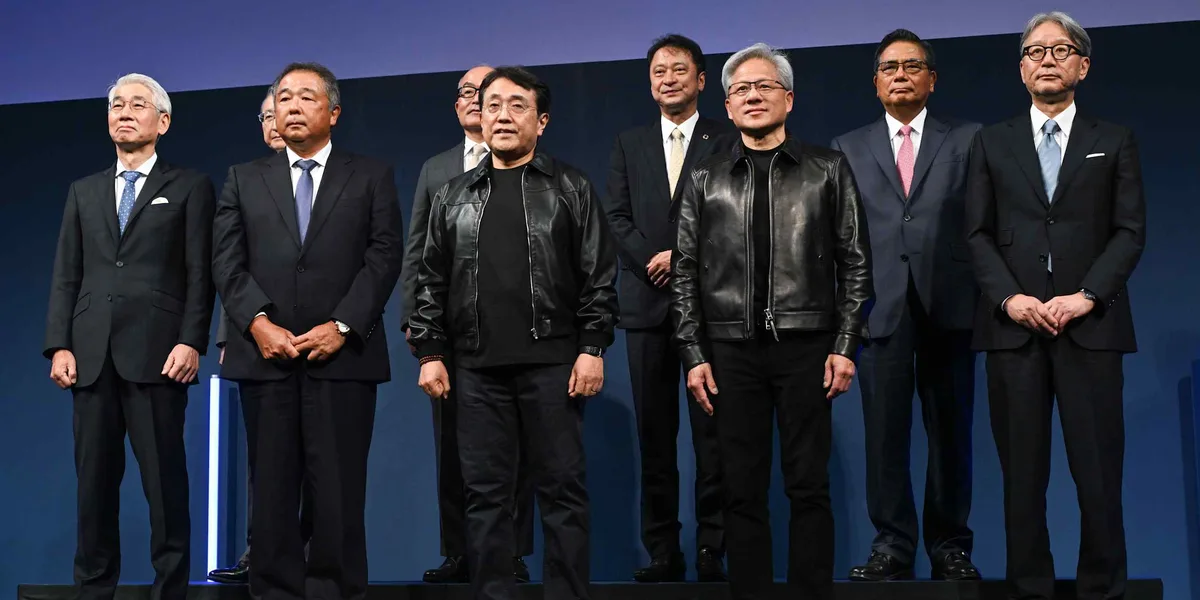
Noetra operates with support from over a dozen major Japanese companies, including SoftBank, Sony Group, Toyota-backed Preferred Networks, NEC, and Honda. These partners will collaborate to develop and operate the AI models, leveraging their combined expertise and existing AI technologies [1, 2, 3, 4, 5]. Hironobu Tamba, Noetra’s president, said the goal is to "create a genuine third option — one that Japan, and others, can choose," aiming to build AI infrastructure distinct from US and Chinese systems [1].
The first foundational AI model is scheduled for release by March 2027, with plans to regularly update and improve it. Noetra envisions developing robotics-specific AI models within several years. The AI is expected to advance through handling multimodal data such as images and voice, aiming to develop a ‘brain’ by 2030 capable of understanding, predicting, and reproducing real-world information [1, 6, 4, 7, 5].
A large-scale AI data center, roughly 140 megawatts in capacity, will be built, potentially located in Sakai City, Osaka Prefecture, and is planned to be operational by June 2028 [3, 4, 5]. Noetra will also partner with global research institutions, including Tokyo University of Science, Cambridge University, Oxford University, and 13 other institutes to advance AI research [4, 5].
The Japanese government aims to help Noetra capture more than 30% of the estimated ¥60 trillion global robotics market by 2040 [1, 6, 7]. The government will provide up to ¥1 trillion (approx. NT$200 billion) in subsidies to support the initiative [4, 5].
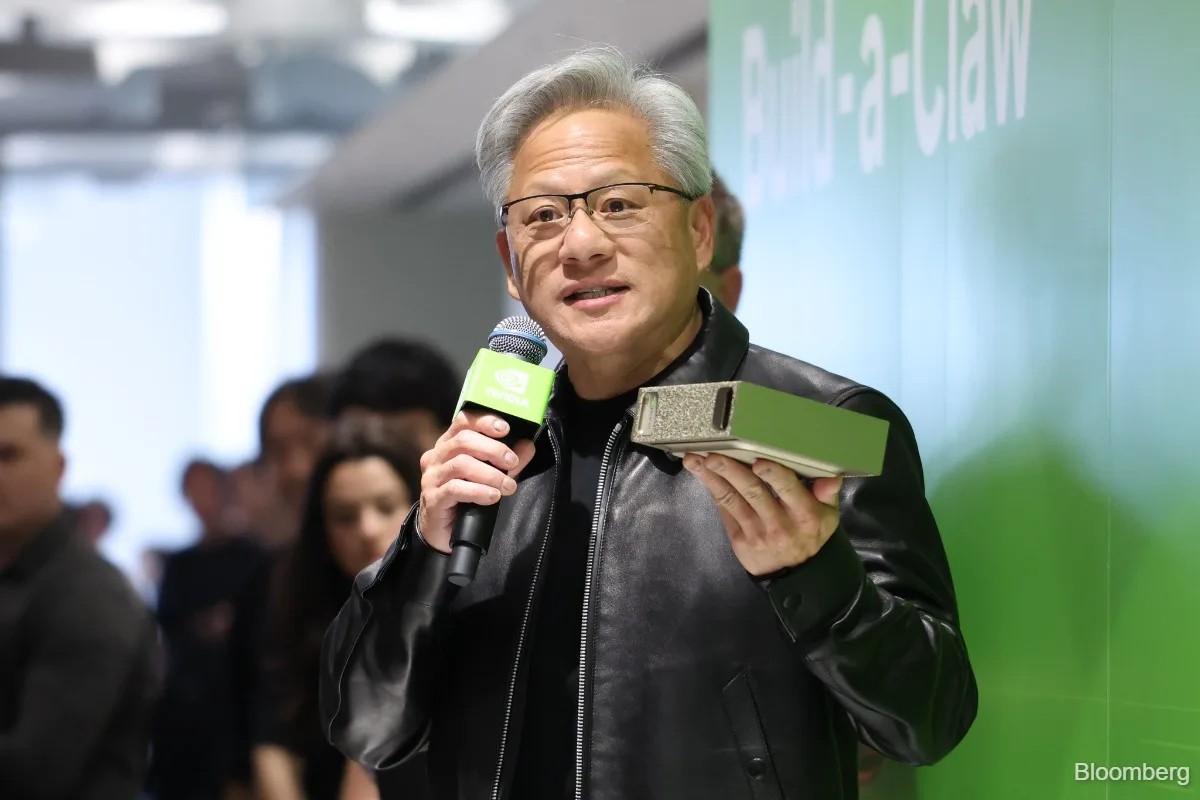
Nvidia CEO Jensen Huang highlighted Japan’s challenges with workforce shortages and emphasized automation and robotics’ role in economic growth. He said, "The physical AI-related infrastructure should be built in Japan," citing the country’s many good ideas but limited workers [1, 4]. Tamba added, "If we can transform the accumulated technologies and knowledge into data assets AI can learn from, Japan can revitalize its industrial competitiveness in the global physical AI race" [4].
Japan’s AI focus will be on manufacturing and robotics rather than directly competing with US and China in cybersecurity AI. Currently, China deploys about four times the number of industrial robots as Japan and plans over 100 humanoid robot applications by 2026, while Germany also pushes industrial AI platforms [4, 5].
Noetra’s first foundational AI model release is planned for March 2027, setting the stage for updates and longer-term robotics AI development.