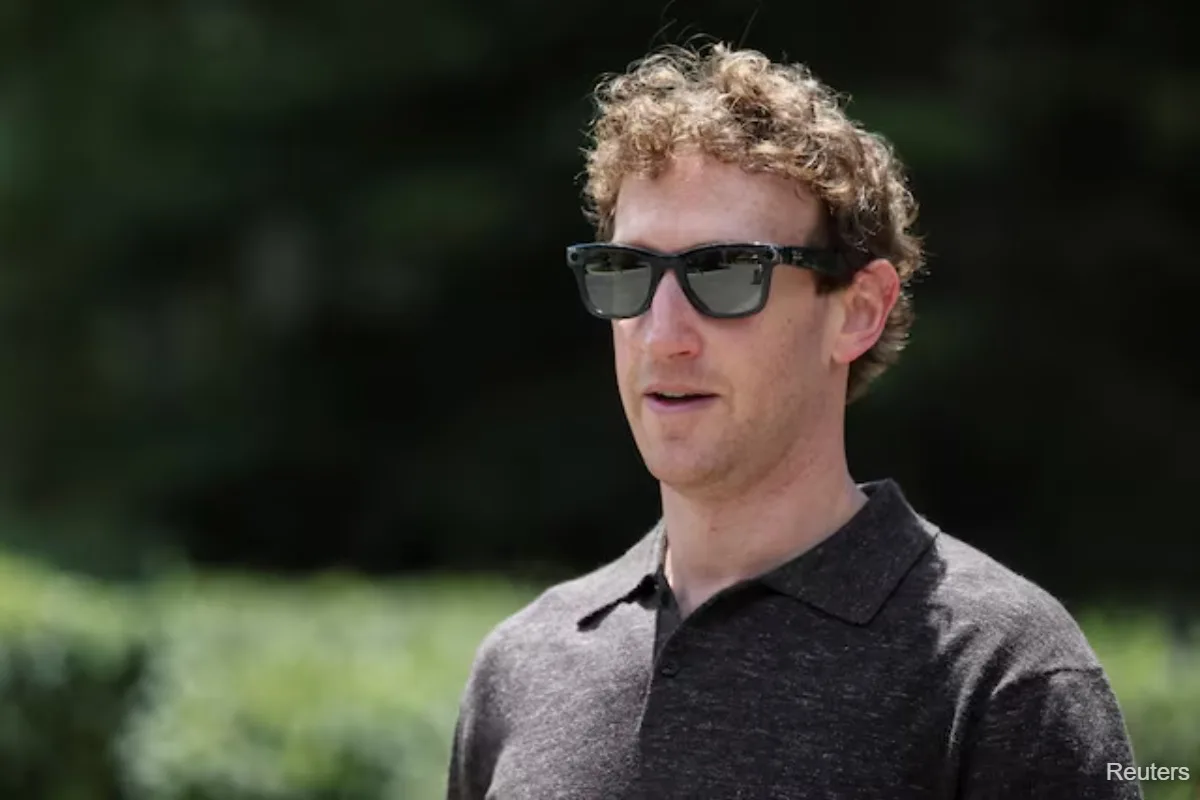
Meta CEO Mark Zuckerberg criticized US moves to ban Chinese artificial intelligence models, saying such measures would not be effective in maintaining US lead in AI development. He stated, "Banning cutting-edge Chinese AI would not be an effective solution" during a Financial Times interview on July 28 [1].
Zuckerberg urged US companies to focus on identifying and removing systemic bottlenecks and roadblocks to better compete with Chinese AI firms rather than relying on bans. He said, "US companies should systematically identify bottlenecks and roadblocks to better compete with Chinese AI firms" [2]. He also stressed that restricting the most powerful AI tools is not the right way to address cybersecurity concerns because these tools can help companies find and quickly fix vulnerabilities [3].
The context for his comments includes recent US restrictions on imports of Chinese robots and power inverters announced by the Trump administration on July 28 to protect the US AI industry [1, 2]. The day after, US Treasury Secretary Scott Bessent warned that Chinese AI labs could face sanctions or be added to the Commerce Entity List over intellectual property theft concerns [3].
Zuckerberg warned about the risk of regulatory capture if dominant AI companies control AI governance, which could stifle competition and limit open model development. He advocates for AI safety reviews to be conducted by independent and objective bodies to ensure fairness and openness. As he put it, "AI safety review must be conducted by independent, objective groups to ensure fairness and openness of industry rules" [4].
He promotes a vision of "AI for everyone," emphasizing open models that users can run and customize on their own hardware [3]. Meta has invested billions of dollars in developing personalized superintelligence with open models, though it still trails capabilities of OpenAI and Anthropic [3].
Chinese AI firm Moonshot AI recently released the Kimi K3 model, notable for coding skills, fueling debate on China’s fast AI progress [1, 2, 3].
Meta referred media questions about Zuckerberg’s views to his opinion piece published in the Wall Street Journal [1, 2].
Zuckerberg’s public defense of open AI models and warnings against regulatory capture followed the US government’s July 29 statements on sanctions and import bans [3, 4].