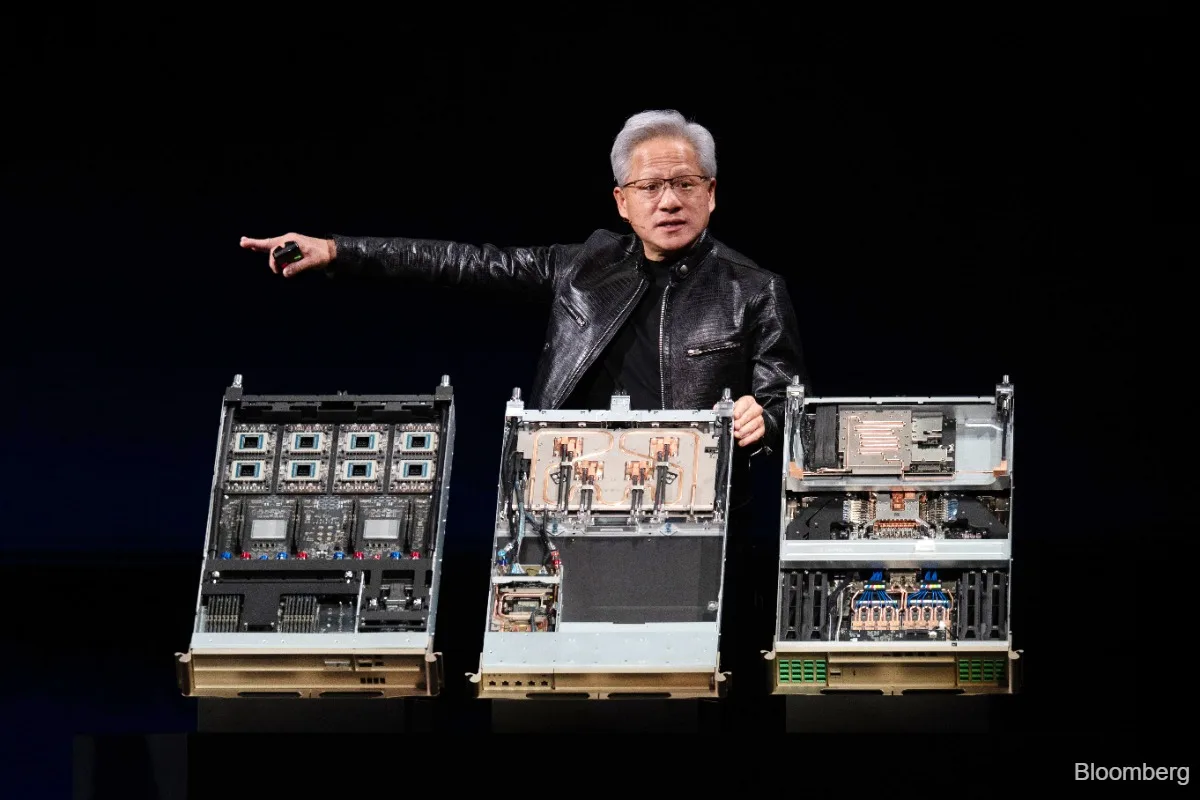
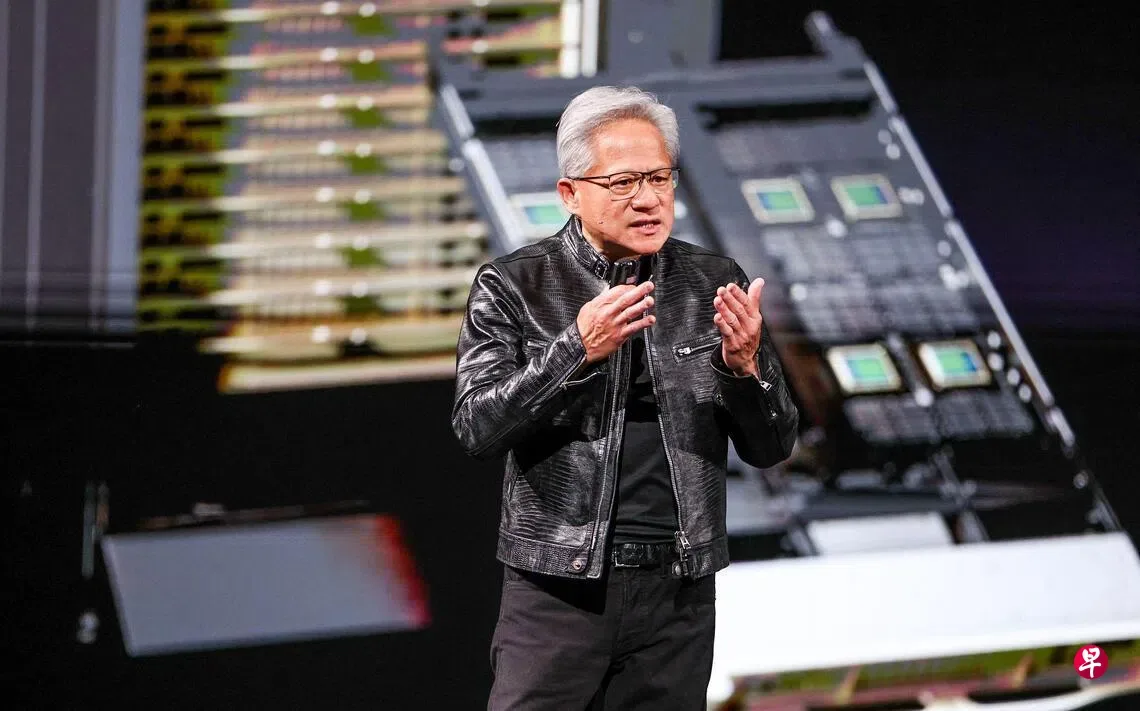
Nvidia CEO Jensen Huang announced the Vera CPU series and Vera Rubin AI platform at Computex Taipei on June 1, 2026, revealing that OpenAI, Anthropic, and SpaceX are the first major customers for the new chips [1, 2, 3, 4, 5].
The Vera Rubin platform entered full production starting today. It integrates high bandwidth memory from Micron, SK Hynix, and Samsung and serves as a POD-level AI factory base designed for large-scale deployments [4, 5]. Nvidia claims its Vera CPUs deliver 1.8 times better performance on essential AI workloads compared to Intel's x86 processors [1].
Nvidia plans to ramp up full Vera CPU production in the third quarter of 2026 [1, 3]. The platform also features improved power efficiency enabled by Nvidia’s DSX software, which allows up to 40% more accelerator chip usage within the same power envelope [1]. Assembly times have been drastically reduced from two hours with the previous Blackwell platform to just five minutes with Vera Rubin [4].
Alongside Vera Rubin, Nvidia introduced the Nemotron 3 Ultra AI model and Isaac Groot robotics development platform at the event [4, 5]. The company also announced a Cosmos model alliance with partners including Agile Robotics and Black Forest Labs [5].
Nvidia said it will increase its AI production investment in Taiwan to $150 billion annually [2]. When asked about concerns that AI could lead to job losses for software engineers, Huang dismissed it as "pure nonsense" (完全是胡说八道) [2].
Full-scale Vera CPU production is expected to begin in Q3 2026, marking the next phase of Nvidia's AI hardware rollout [1, 3].