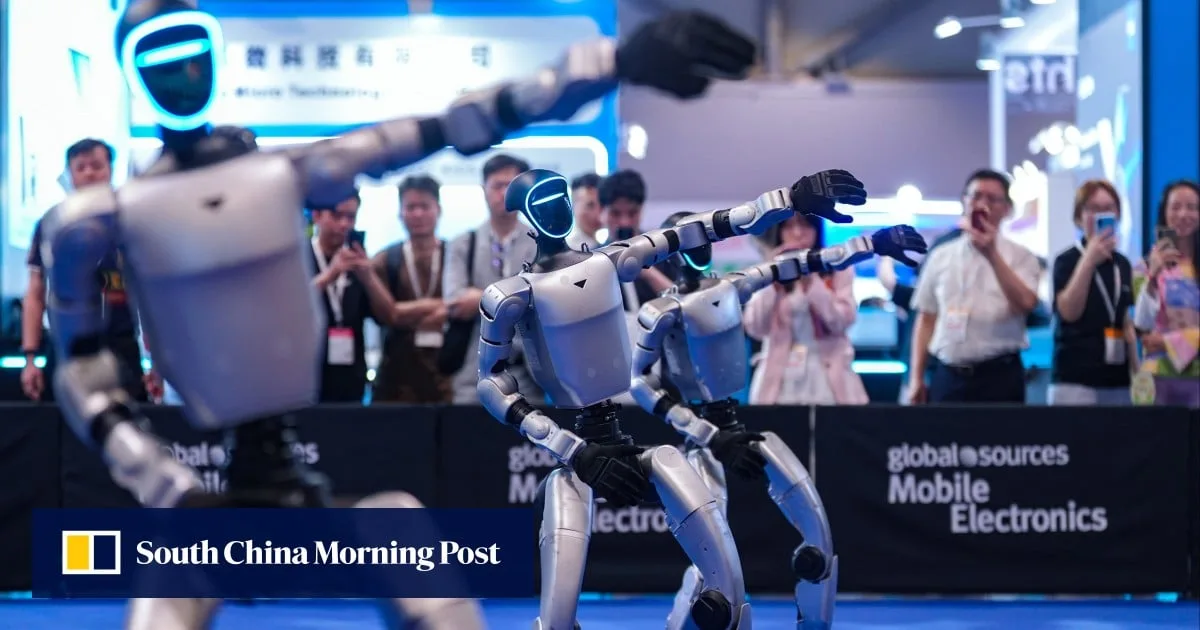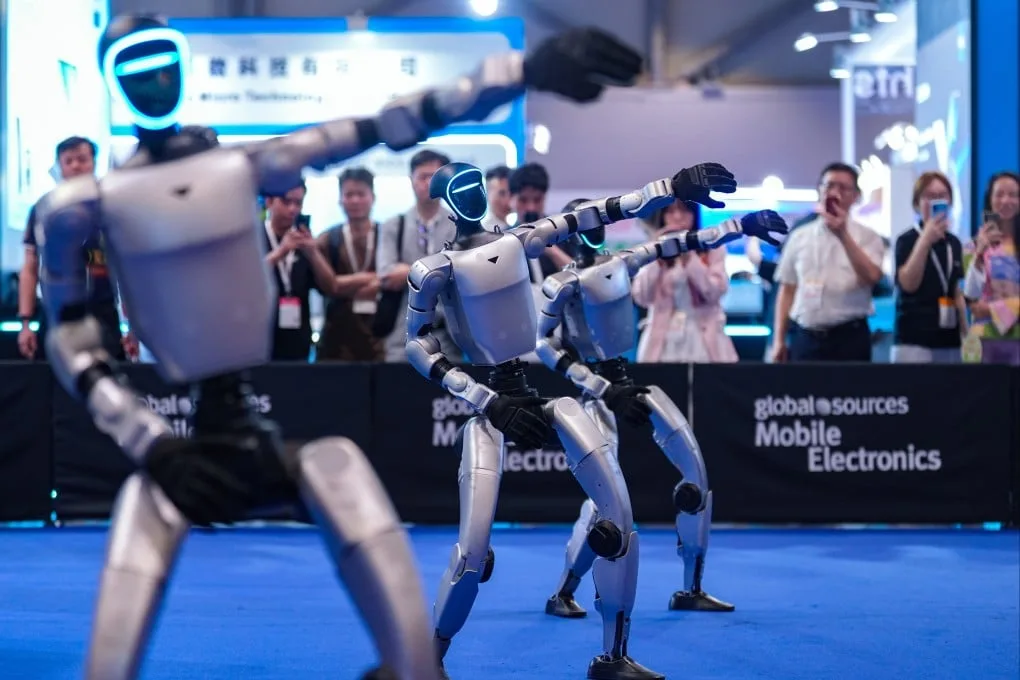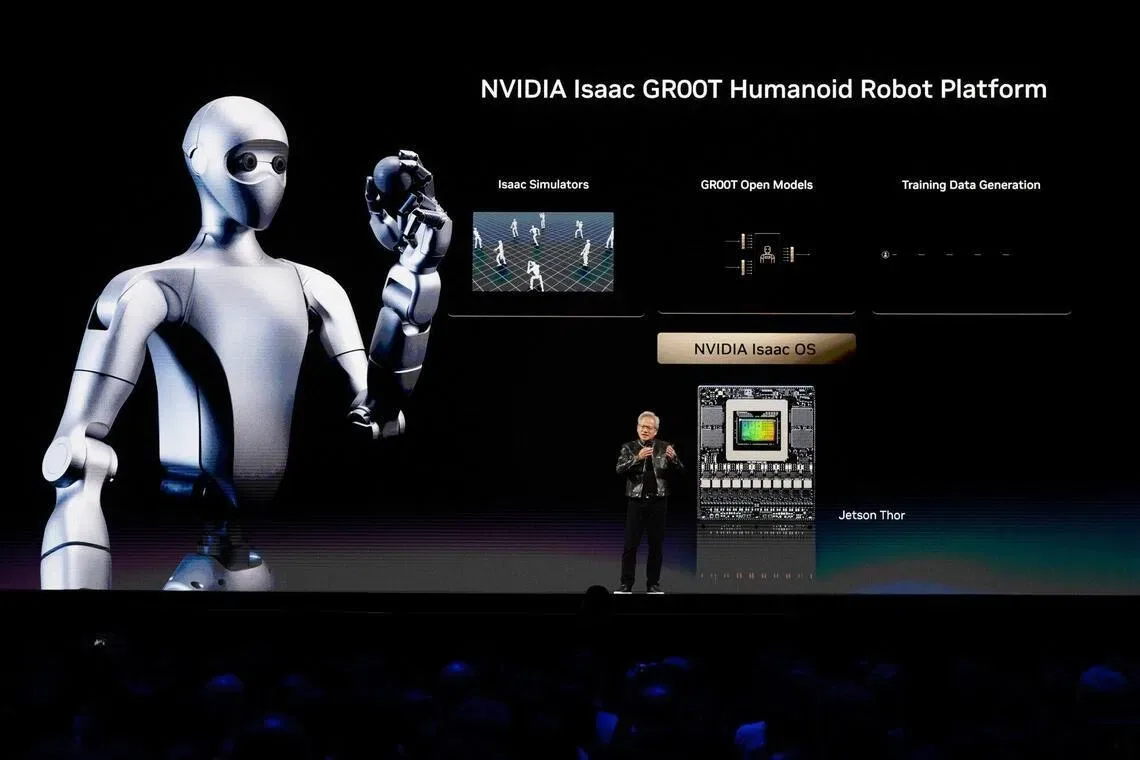
Singapore-based Sharpa is collaborating with Nvidia and Chinese robot maker Unitree on a humanoid robot project announced on June 1, 2026, at the Computex conference in Taipei by Nvidia CEO Jensen Huang [1, 2].
The robot, branded the NVIDIA Isaac GR00T Reference Humanoid Robot or H2 Plus, incorporates Sharpa's robotic hands with 22 degrees of freedom designed to closely mimic human dexterity and tactile sensitivity [1, 2]. Sharpa conducts research and development in Shanghai while managing its business operations in California. The company was founded in 2024 [1].
The H2 Plus targets researchers training robots to perform delicate operations requiring precise hand movements. Tasks include assembling computers and administering IV drips, where fine motor skills and sensitivity are critical [1, 2]. Alicia Veneziani, Sharpa’s vice president, explained, "Precise assembly, food preparation, cleaning operations, even ironing a shirt – those are the kind of things that, without very precise hands and in particular, tactile sensing, (robots) won’t be able to do" [1].
The reference design aims to streamline humanoid robotics research by supporting development workflows like data collection, policy training, and real-world deployment across the industry [2]. Nvidia’s vice president of physical AI simulation, Rev Lebaredian, added, "The hands give researchers the data and physical feedback needed to connect robot learning with manipulation skills that can transfer to real-world tasks" [1]. Nvidia CEO Jensen Huang emphasized the economic potential, saying, "Humanoid robots will bring physical AI to the world’s largest industries, opening a multitrillion-dollar economic opportunity" [1].
Huang also highlighted data challenges, stating, "For agentic systems, robotic systems and physical AI, data is the hardest problem" [2].
The humanoid robots, including the H2 Plus, are planned to be deployed to researchers by late 2026 for training AI systems in tasks requiring precise hand control [1].