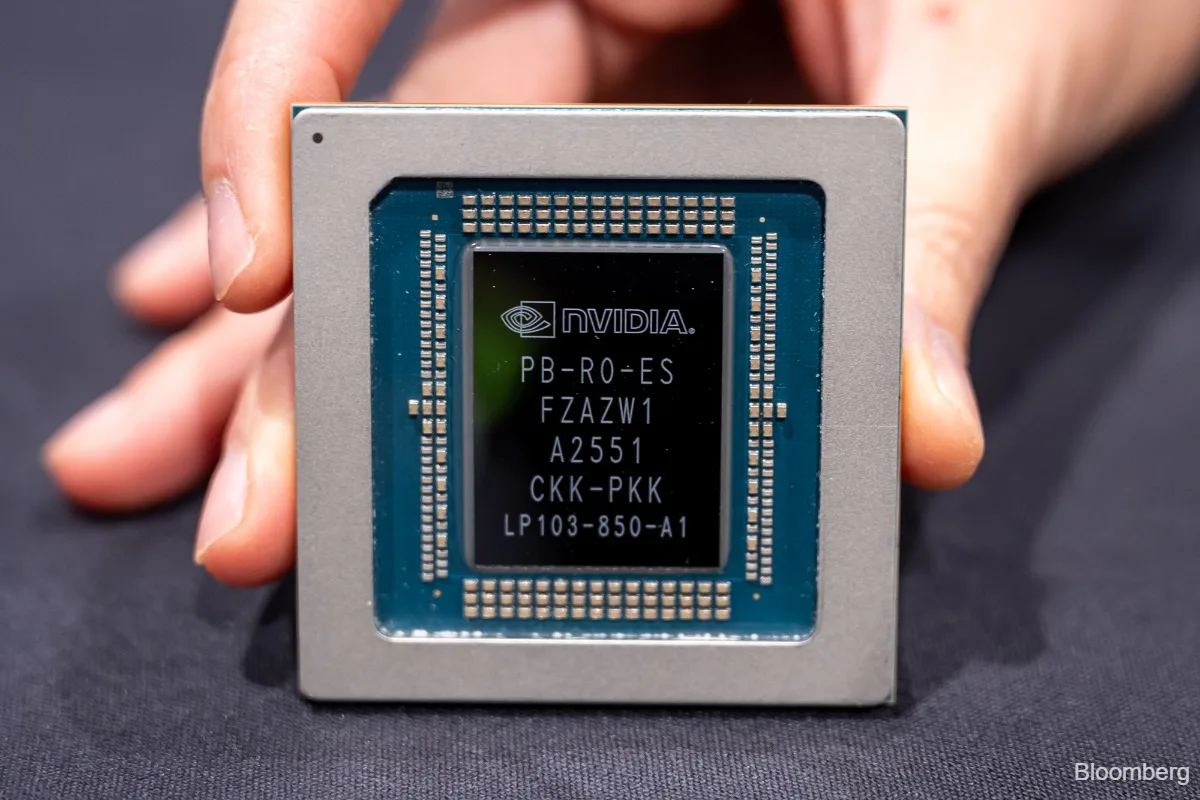
Nvidia plans to increase prices of servers containing its AI chips by more than 15% in many cases, with the changes taking effect for systems shipped early in 2027 [1, 2, 3]. The hikes will affect servers using Nvidia’s flagship AI chips, Vera Rubin and Grace Blackwell [1, 2]. The exact increase varies depending on the generation of Nvidia chips and the server memory configurations, according to unnamed sources [2].
Companies that build servers for major data center operators like Microsoft, Alphabet (Google), and Oracle have already notified customers about these upcoming price increases [1, 2]. Nvidia has not publicly commented on the price changes despite media inquiries [1].
The price rises are mainly driven by soaring costs of memory chips such as DRAM and high-bandwidth memory (HBM), supplied primarily by Samsung Electronics, SK Hynix, and Micron Technology [1, 2, 4]. Although chip makers have ramped up production, they have not kept pace with the surging demand from AI infrastructure projects. This imbalance has caused supply shortages, higher prices, and stronger bargaining power for suppliers [1, 2]. Nvidia’s AI accelerator processors rely heavily on paired DRAM chips, making memory costs a major component of server pricing [1, 2].
Other technology companies, including Apple and Qualcomm, have also recently raised product prices due to chip shortages and higher costs [1, 2]. The AI server price hikes may complicate large-scale AI data center construction plans, which already face challenges such as project delays, labor shortages, tighter capital markets, and local opposition [5]. Cloud providers like Amazon, Microsoft, Google, and Meta continue to develop their own AI chips but remain dependent on Nvidia hardware and memory from Samsung, SK Hynix, and Micron [5].
Despite the price increases, Nvidia remains highly profitable with a gross margin around 75%. The company can no longer absorb rising memory costs and must pass them on to customers [1]. Nvidia’s stock closed at $214.72 on August 21, down 4.84% over the previous week before the price hike reports surfaced [6].
Nvidia is scheduled to release its Q2 2026 financial results on August 26, a closely watched event for indicators of AI demand trends and cost pressures [4, 7, 5].