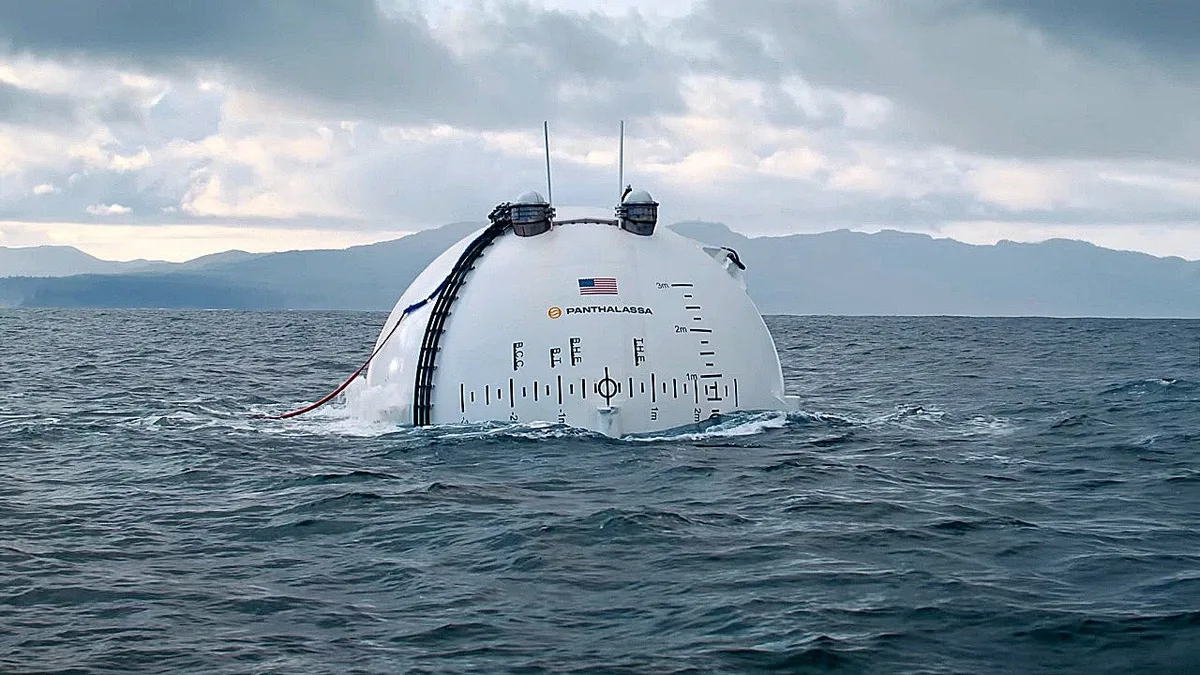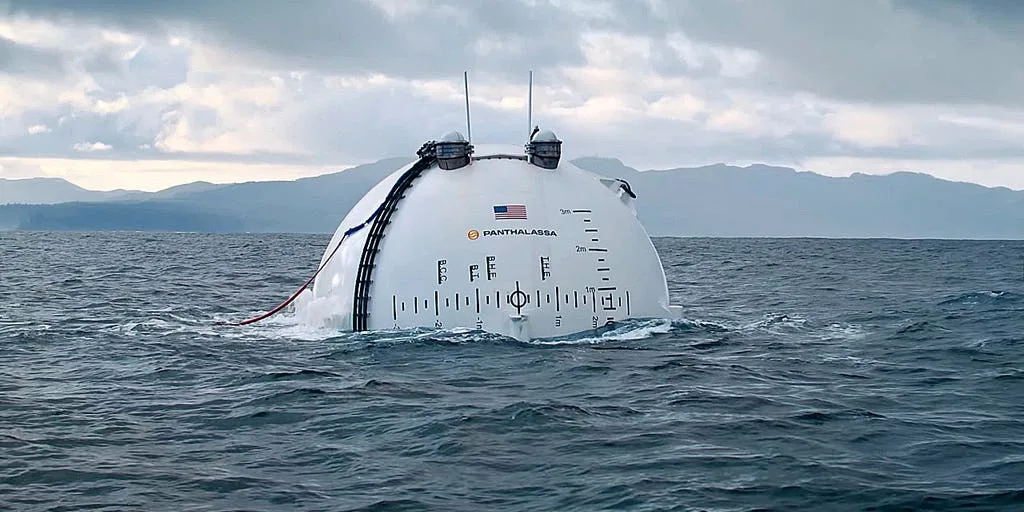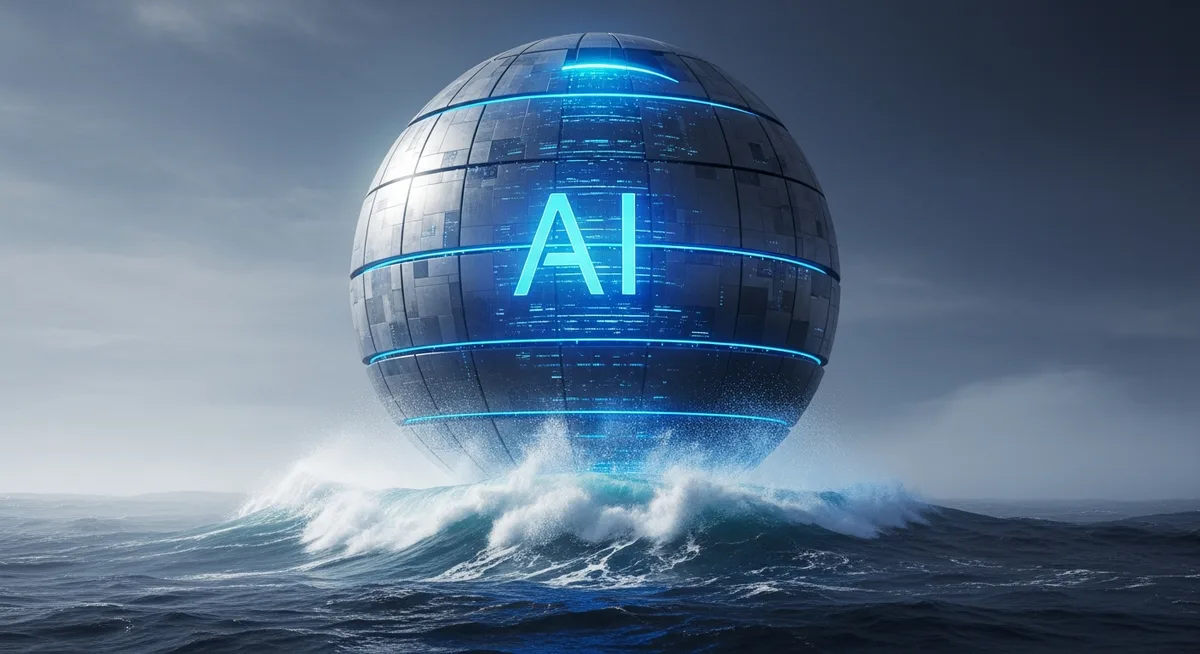
Panthalassa is developing autonomous floating AI data centers that generate electricity from ocean wave motion and cool AI chips with seawater to run inference workloads offshore [1, 2].
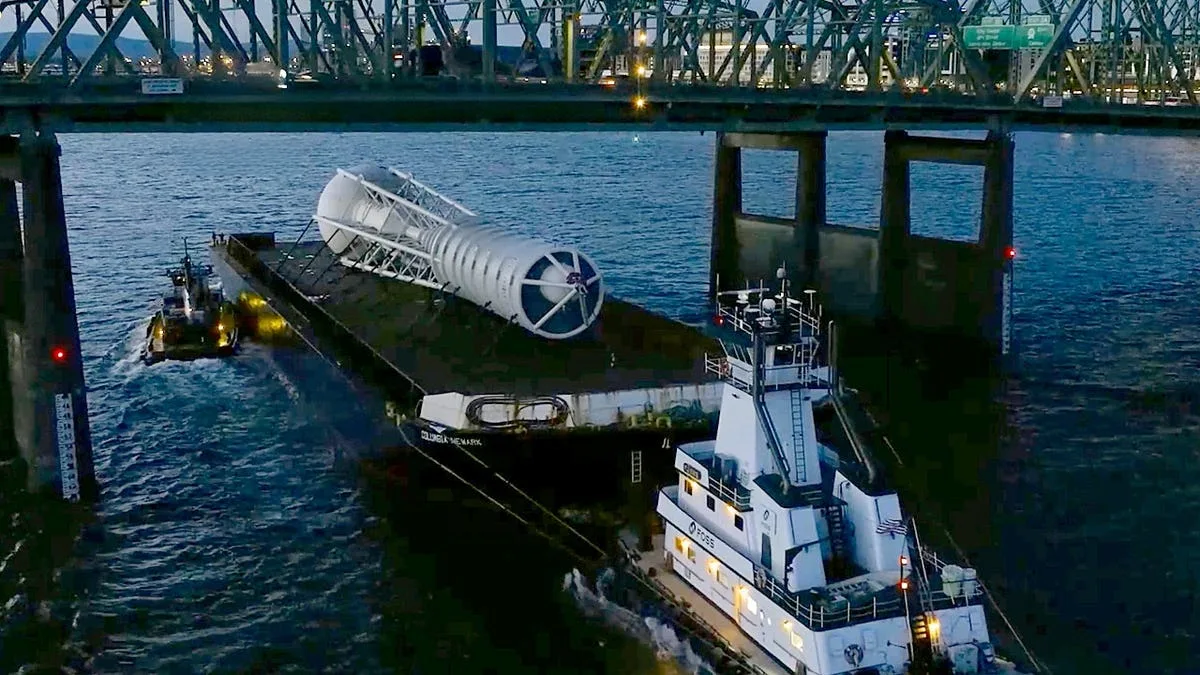
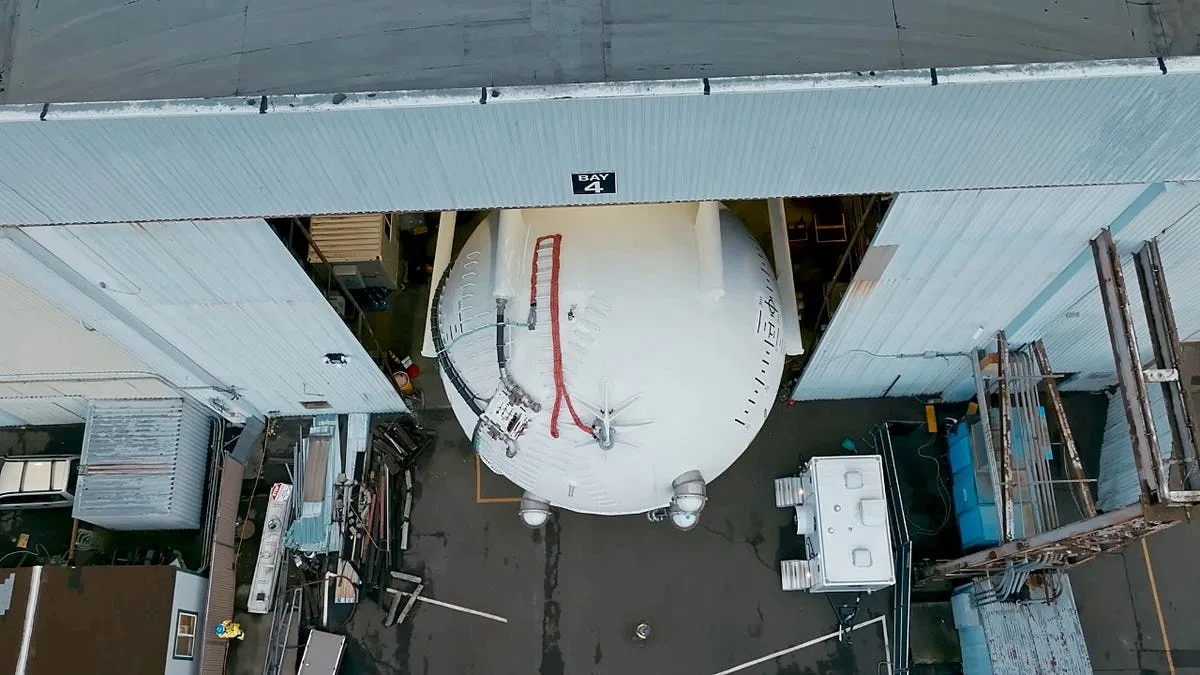
The floating data nodes look like large steel spheres with vertical tubes submerged underwater. As waves push seawater through the tubes, turbines inside convert the flow into electricity for the AI chips [1, 2].
This ocean-based approach sidesteps many constraints faced by traditional land data centers such as limited power supply, water needs for cooling, labor shortages, and community opposition [1]. Seawater cooling naturally reduces power and water consumption challenges seen in terrestrial data facilities [1, 2].
Panthalassa raised about $210 million in total funding, including $140 million in a recent Series B round led by Peter Thiel [1, 2]. The company plans to deploy thousands of these floating nodes, which are designed to operate autonomously for over 10 years in harsh ocean environments without human maintenance [1].
In 2024, Panthalassa successfully completed a three-week prototype sea trial off Washington state [1, 2]. Later in 2026, it plans to test an 85-meter-long Ocean-3 prototype in the northern Pacific Ocean [1, 2]. Computation results from the nodes will be sent to global clients via satellite [1, 2].
Industry peers have experimented with underwater data centers before. Microsoft ran underwater pilot projects in 2015 and 2018 but shelved the idea. Several companies in China and Singapore have deployed underwater or floating data center projects [1].
Panthalassa’s next step is the Ocean-3 prototype test scheduled for later this year, which will validate scaling and operational capabilities in real ocean conditions [1, 2].