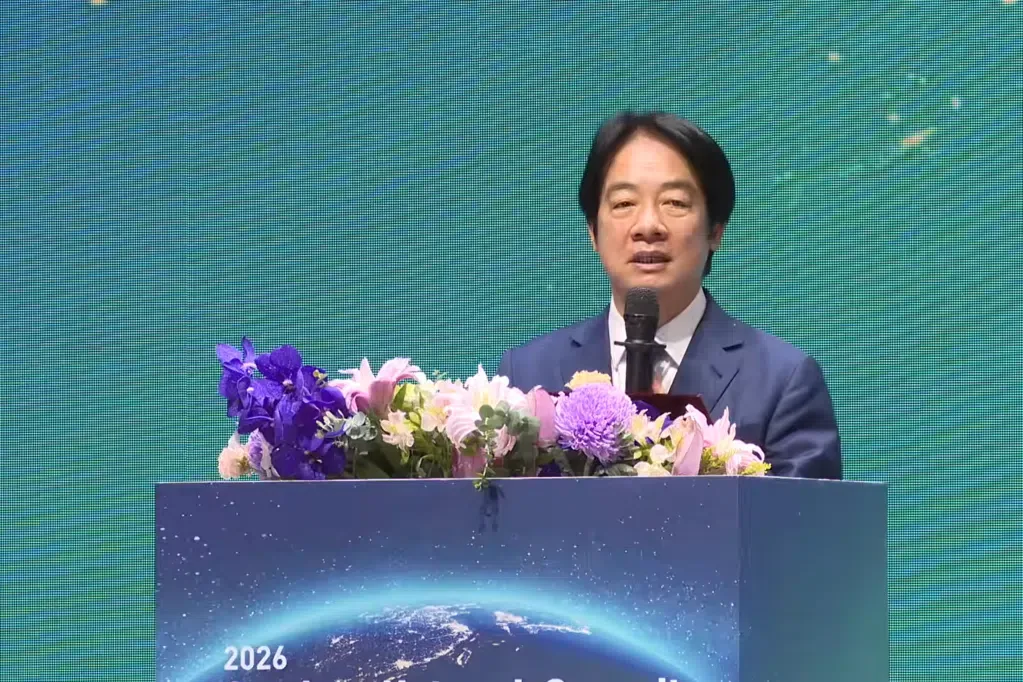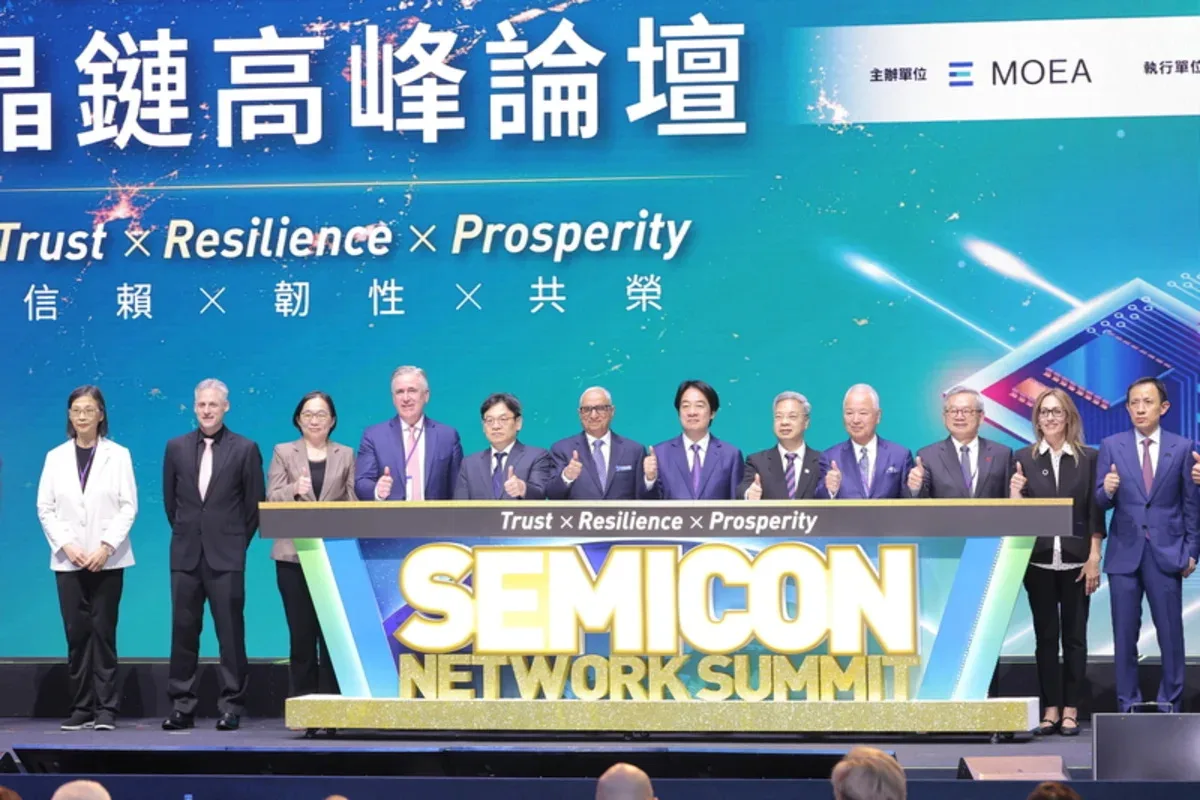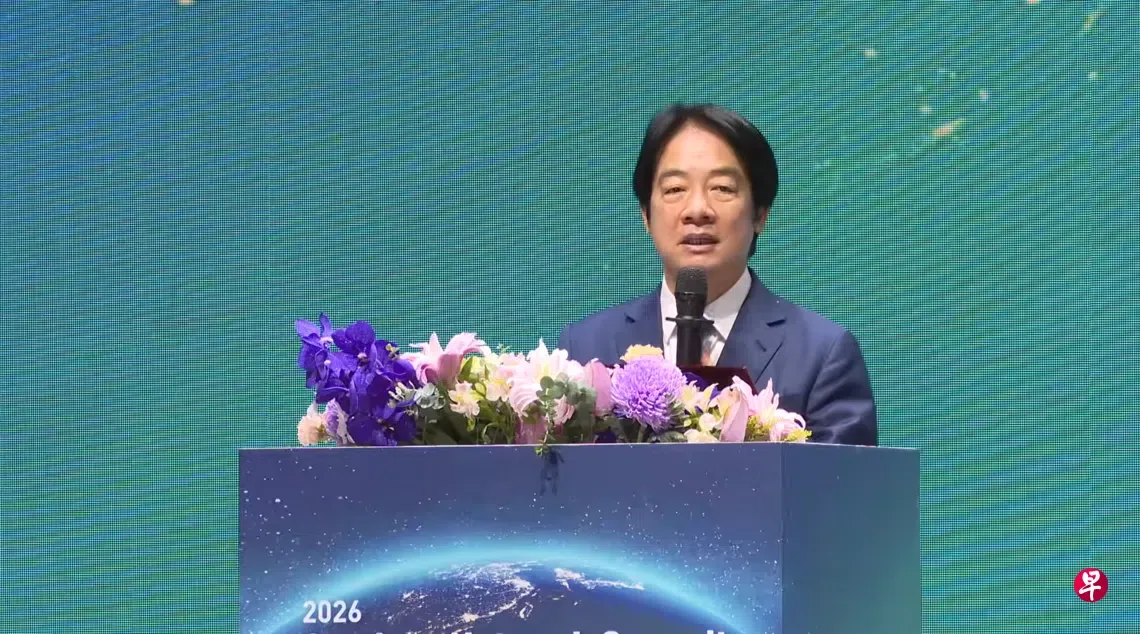
Taiwan President Lai Ching-te delivered a keynote speech on September 1 at the 2026 Crystal Link Summit, underscoring Taiwan's decades-long development of a complete semiconductor cluster. He emphasized Taiwan's capability to manufacture the world's most advanced chips with fast, flexible, and efficient production, supported by a democratic rule of law that ensures stable supply to global markets [1, 2, 3, 4, 5, 6].
Lai stated that Taiwan has earned the trust of international partners by reliably supplying semiconductors and attracting long-term corporate investment. "Taiwan's semiconductor cluster features fast, flexible, and efficient manufacturing capabilities," he said, adding that cooperation based on trust would build resilience and shared prosperity worldwide [2].
Highlighting Taiwan Semiconductor Manufacturing Company's (TSMC) expansion in the United States, Lai confirmed plans for a total investment of $265 billion in Arizona to build fabs and related facilities [1, 2, 3, 4, 5, 7]. He also noted that global firms such as Nvidia invest over 3 trillion New Taiwan dollars annually in procurement, Micron has invested more than 1.4 trillion TWD cumulatively, and AMD continues expanding R&D investments exceeding 300 billion TWD in Taiwan [2, 3, 4, 5, 7].
The global semiconductor market is projected to exceed $1.5 trillion in 2026, with AI chip demand expected to make up nearly 30% of the market by 2027, ranging between $1.6 trillion and $1.9 trillion [2, 3, 8, 6]. Taiwan's economy grew 14.15% in the first half of 2026, its strongest in 50 years for that period, with a full-year growth forecast of 11.05%, potentially the highest in 39 years as Lai announced [2, 3, 4, 5, 7].
Taiwan's government plans to distribute 10,000 TWD in cash dividends per person in 2027 to share AI-driven economic gains [2, 3, 4, 5, 7]. It is actively promoting initiatives such as the "Crystal Taiwan Plan" and "New 10 AI Infrastructure Projects" to develop cutting-edge technologies including silicon photonics, quantum computing, and AI robotics, while enhancing infrastructure like computing power and energy resources [2, 3, 4, 5, 7].
Lai highlighted TSMC's European wafer fab in Dresden, Germany, scheduled to begin production by the end of 2027, fostering local industrial development and talent growth [2, 3, 4, 5, 7].
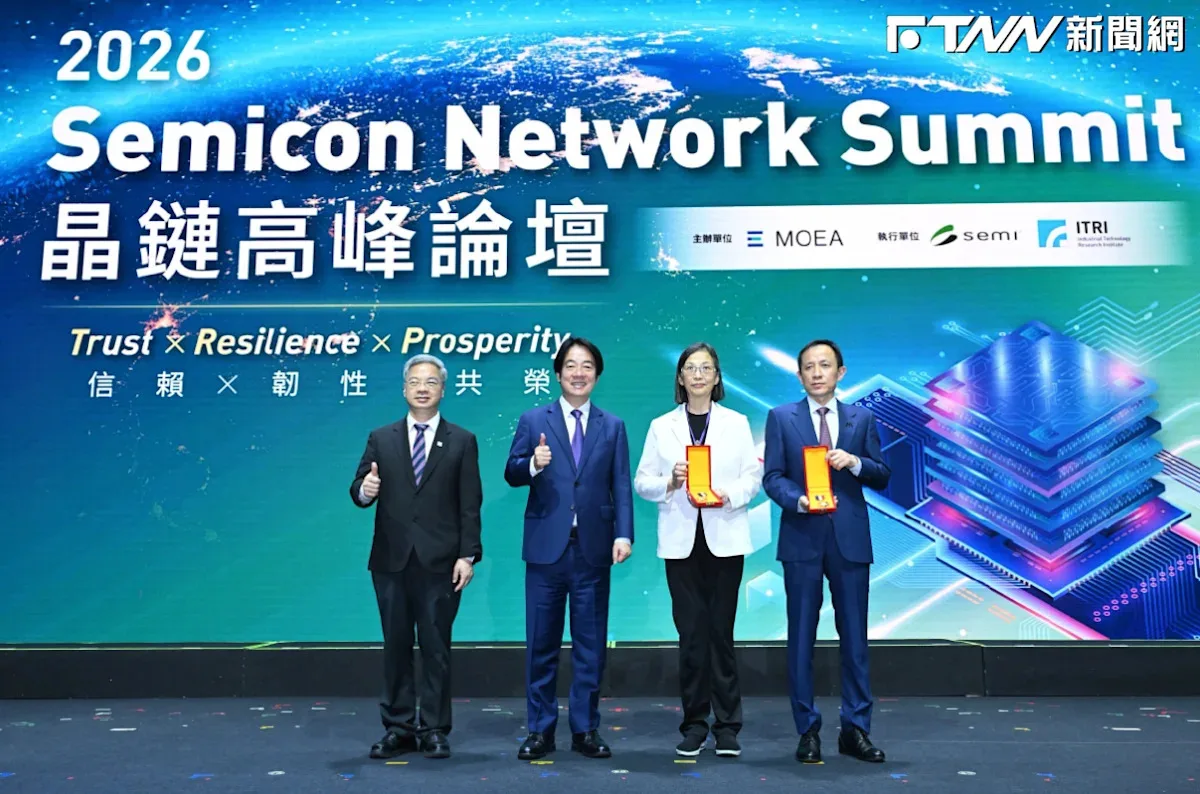
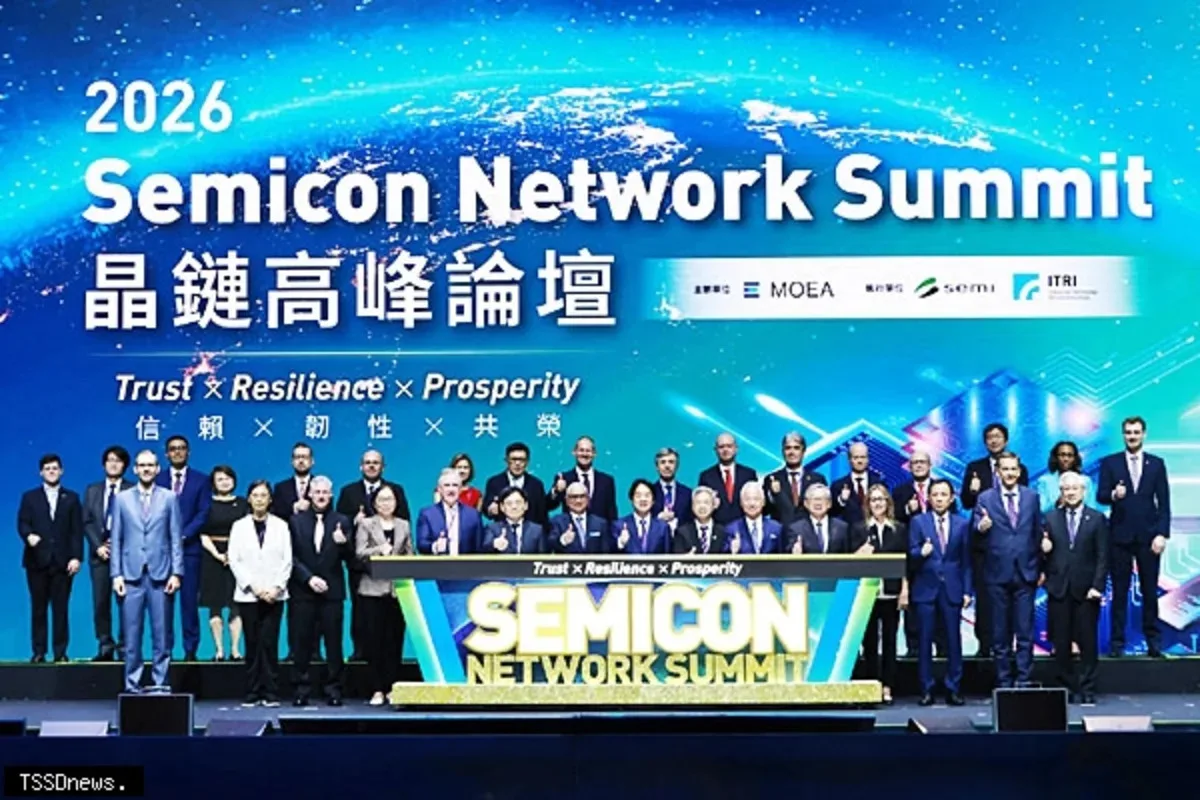
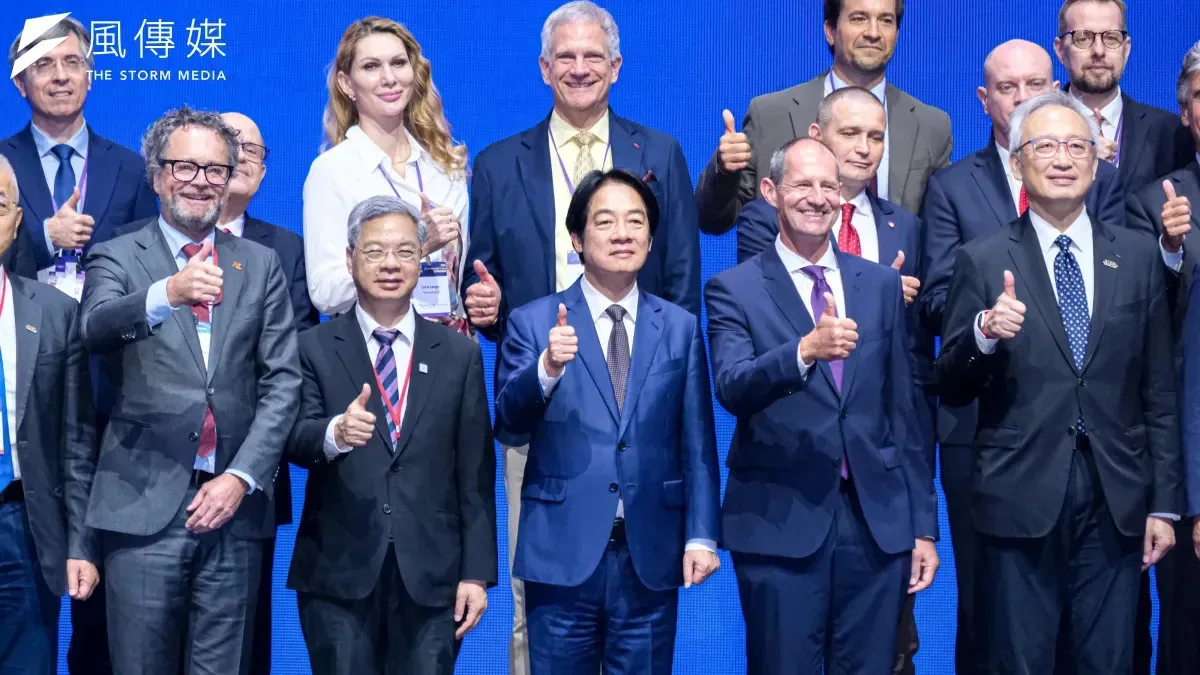
The summit attracted more than 600 industry leaders and officials from 38 countries. Organized by Taiwan's Ministry of Economic Affairs, Industrial Technology Research Institute, and SEMI, it focused on trust, resilience, and shared prosperity in global semiconductor cooperation [3, 8, 4, 5, 6]. Taiwan-based GlobalWafers Chairman Hsu Hsueh-lan and Micron CEO Sanjay Mehrotra received Ministry of Economic Affairs Professional Medals for their contributions to Taiwan's semiconductor ecosystem [8, 4, 7].
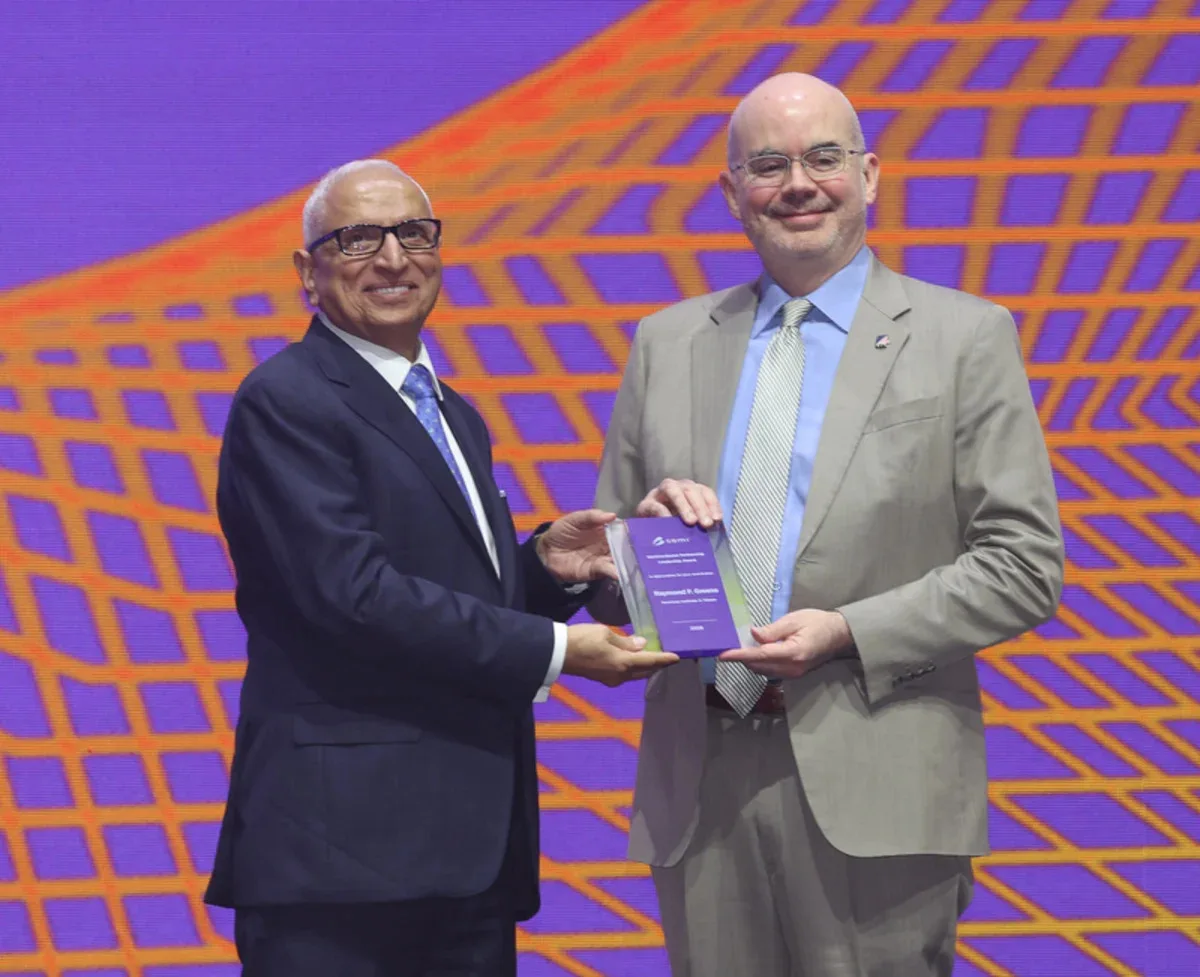
SEMI Global President Ajit Manocha praised Taiwan's semiconductor ecosystem as critical and highly globalized, emphasizing international cooperation to strengthen supply chain resilience [8, 6]. US State Department official Jacob Helberg noted in a pre-recorded speech that "Semiconductors will determine who leads in AI, national defense capabilities, and who will set the rules in the next-generation global economy," reaffirming US-Taiwan semiconductor cooperation [1, 2, 3, 7].
Taiwanese officials committed to diversifying risks and building supply chains resilient to natural disasters, pandemics, and geopolitical tensions to ensure stable production and investment continuity [1, 2, 3, 4, 5, 7]. Experts, including former Digital Development Minister Huang Yen-nan, highlighted challenges in computing power and energy infrastructure, urging Taiwan to address bottlenecks to maintain AI sovereignty [6].
TSMC's wafer fab in Dresden is expected to start production by December 2027, marking the next phase in Taiwan's global semiconductor expansion [2, 3, 4, 5, 7].