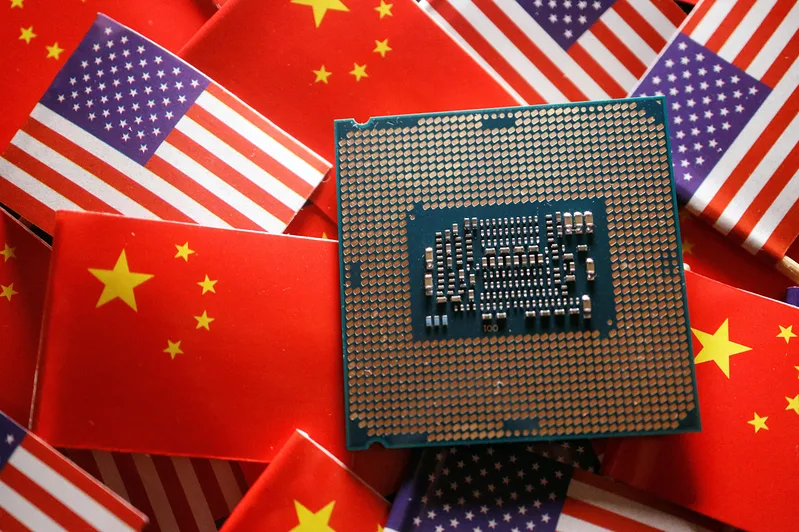
The US government has accused Chinese AI companies, notably Moonshot AI, of illicitly using "distillation" techniques to copy advanced American AI models such as Anthropic's Claude Fable 5. Washington warned that it could impose sanctions or add these firms to the entity list to block their access to US technology [1, 2, 3, 4, 5, 6].
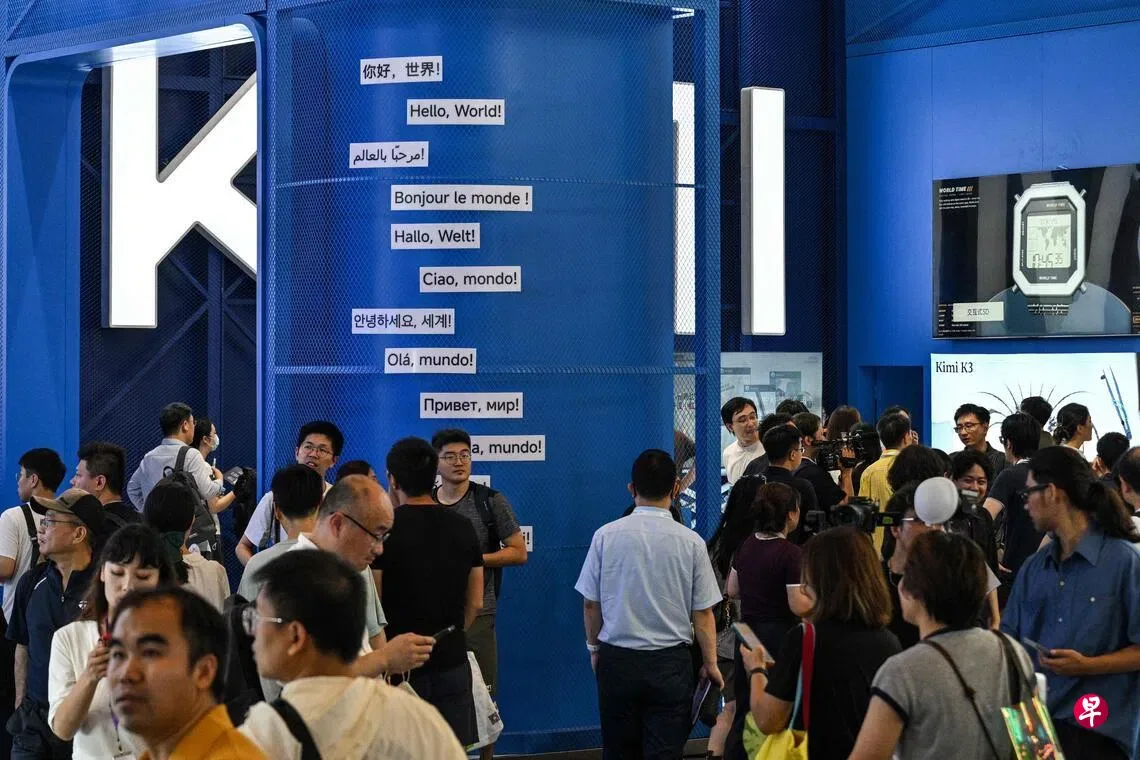
Distillation is a common AI method where a smaller model learns from the outputs of a larger one to mimic and improve performance. US officials allege Moonshot AI used Nvidia GB300 chips located in Thai data centers to evade export controls while training its Kimi K3 model, launched on July 17, 2026 [1, 4, 5, 7]. Treasury Secretary Scott Bessent said, "When Chinese firms carry out covert, industrial-scale distillation attacks that amount to IP theft, sanctions and entity listing become options" [4].
Moonshot AI, which raised $3.5 billion in July and plans a new funding round valuing it at $50 billion before a possible Hong Kong IPO, denies copying US models. A company representative said the Kimi K3 model’s leap in performance derives from "original architecture innovation, not distillation or replication of existing models" [1, 8, 4, 5, 6]. The large-scale Kimi K3 needs 80 RTX 5090 GPUs with about 1.5 TB of VRAM just to load the 2.8 trillion parameter model weights, demonstrating its computational demands [9].
OpenAI and Anthropic have identified hundreds of fake accounts linked to Moonshot AI that attempted suspicious interactions with their Claude model [4, 5, 6]. Michael Kratsios, US White House tech advisor, said Moonshot built "a complex internal system to distill US models at scale while switching multiple access methods to avoid detection" [4].
The Chinese Ministry of Commerce strongly denied the US accusations, calling them legally and factually baseless and a form of "typical AI hegemony" marked by double standards. A spokesperson said, "Innovation is not proprietary to any one country. Many US AI firms also distill and train on Chinese models" [1, 2, 10, 3, 4, 5, 6].
Nearly 200 US AI startups and several major tech companies have urged the US government not to cut off access to Chinese open-source AI models, warning it would damage US competitiveness [1, 2, 3]. Internal debate continues within the US tech sector around open-source versus proprietary AI development [11].
China has proposed establishing a tiered AI governance framework based on model capabilities and risk, advocating for evidence-based IP rulings rather than origin-based presumptions [1]. Taiwan’s semiconductor industry, including TSMC, remains critical to the global AI chip supply amid rising US-China tensions [5].
US officials plan to review and possibly restrict use of foreign AI models developed via distillation to protect intellectual property and national security [1, 2, 6]. The dispute over Moonshot AI’s use of distillation to develop Kimi K3 remains unresolved, with US authorities accusing the company of IP theft and Moonshot denying these claims [1, 4, 5].