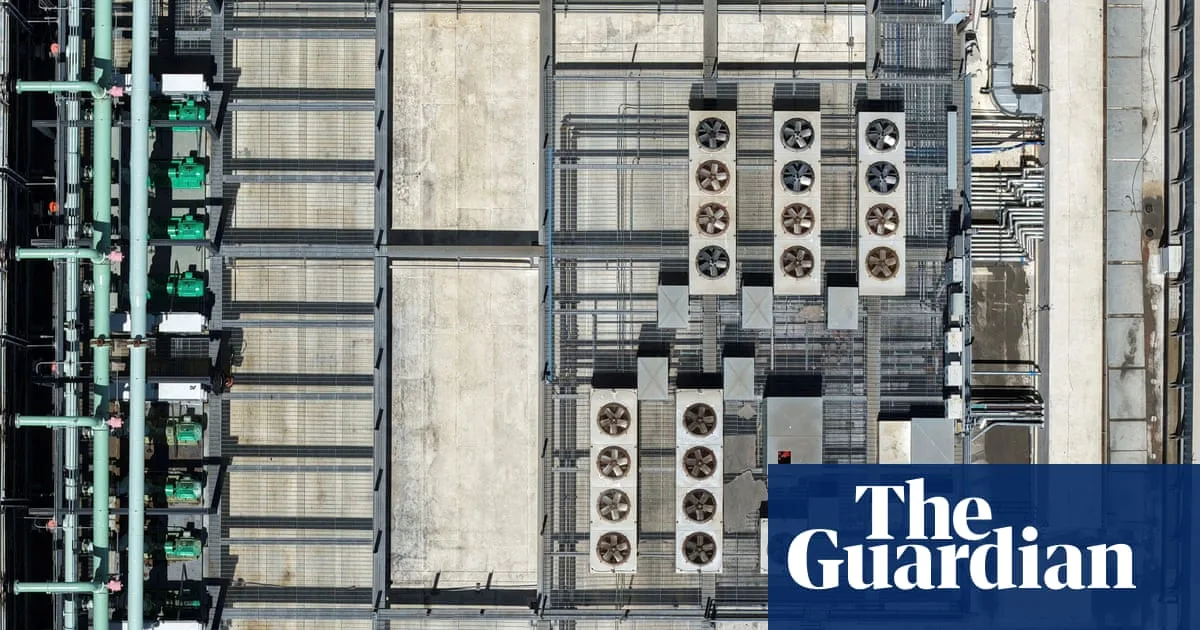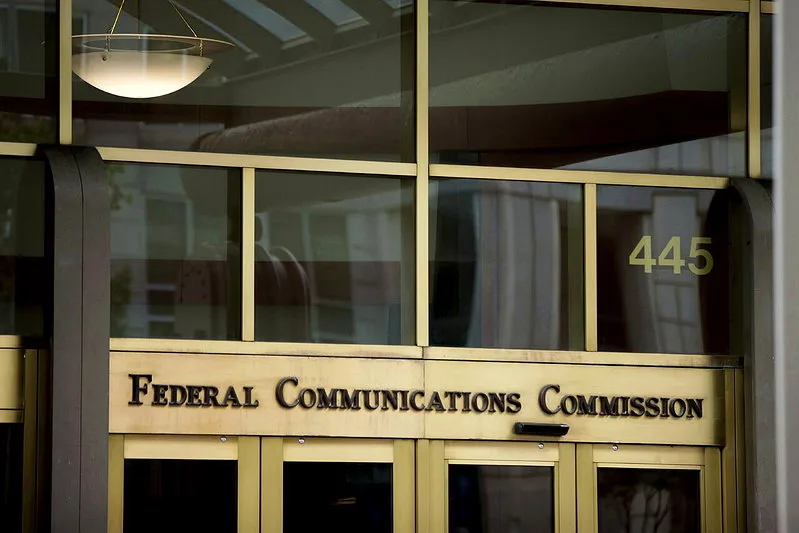
The Trump administration is drafting a ban on imports of new models of Chinese-made optical transceivers used in data centers, aiming to block equipment deemed a security risk to US infrastructure [1, 2, 3]. The Federal Communications Commission (FCC) is leading the effort and intends to publish the ban measure later this year [1, 2, 3]. Optical transceivers enable high-speed data transmission through fiber-optic cables inside data centers, making them critical components for cloud and data operations [1, 2, 3].
The ban targets Chinese companies allegedly linked to military activities and concerns that their devices could steal data, install malware, or disrupt US data center operations [1, 2, 3]. Zhongji Innolight, one of the world’s leading suppliers holding about 27% of the global market share for data center optical transceivers, would face significant impact from the ban [2, 3, 4]. Around 90% of Zhongji Innolight’s revenue comes from outside China, indicating its reliance on international markets, including the US [2, 3, 4].
Zhongji Innolight was added in June 2026 to a US Department of Defense list identifying firms allegedly linked to the Chinese military, intensifying scrutiny on its products [2, 3, 4]. The ban could force major US cloud providers such as Amazon Web Services (AWS) to switch to domestic suppliers like Coherent and Lumentum [2, 3, 4].
Divyansh Kaushik, an AI policy expert at Beacon Global Strategies, said the equipment “does constitute a risk” and emphasized the need to secure supply chains as data centers expand [5]. The White House affirms US leadership in AI innovation, with White House technology official Michael Kratsios accusing Chinese firms of stealing proprietary US technology [6].
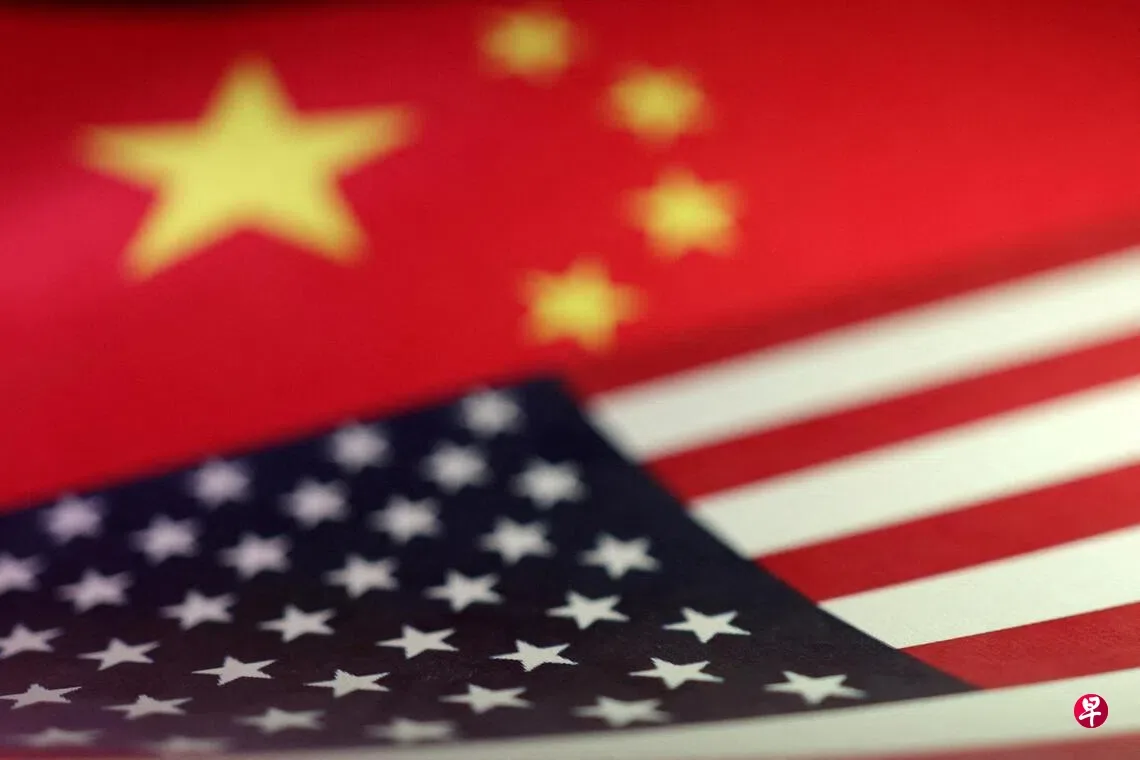
The Chinese Embassy in Washington condemned the proposed restrictions, urging the US to heed “objective and rational voices” from both countries’ business communities and warning of retaliatory measures if China’s interests are harmed [7].
The FCC may still revise or shelve the ban before finalizing it [1, 2, 3]. The Trump administration is simultaneously considering restrictions on Chinese open-source AI models, though internal debates persist on that front [6].
US bans on other Chinese tech products, such as humanoid robots, have been recently announced amid wider concerns over supply chain security [1, 8]. Chinese leader Xi Jinping is expected to visit Washington in September 2026, with AI and technology competition anticipated to be key topics [6].