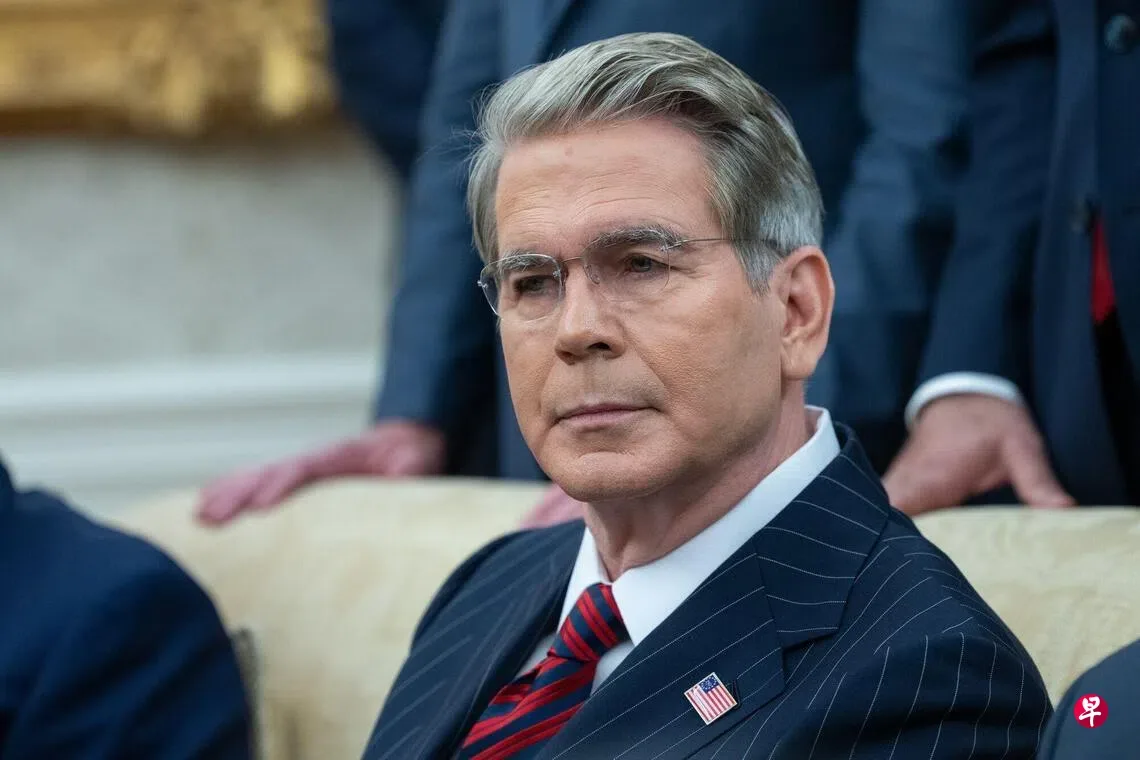
US Treasury Secretary Scott Bessent said on July 21, 2026, that the Trump administration will investigate whether Chinese AI models copy US models through a technique called "distillation," which could involve intellectual property theft [1, 2, 3, 4, 5, 6, 7, 8]. Bessent stated, "We have found watermarks from our US large language models on many Chinese models. This is unacceptable. We will investigate this in the coming days or weeks" [4].
Bessent emphasized that the US government does not support intellectual property theft. He warned that if overseas AI models are found to have stolen from US companies, sanctions could follow. "If we see, especially, that overseas models are stealing from our great companies, we have the ability to sanction them because of this theft," he said [3, 4].
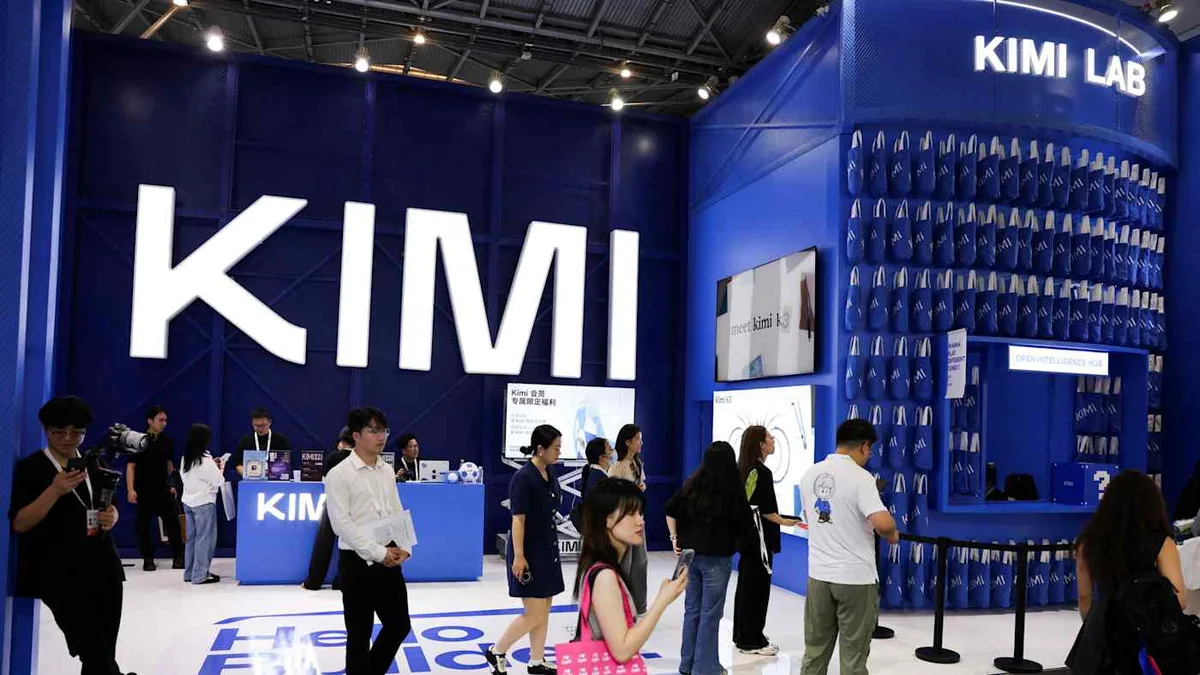
The investigation was prompted by concerns over Chinese open-weight AI models, like Moonshot AI's Kimi K3, which have gained popularity and performance levels rivaling those of US leaders such as OpenAI and Anthropic [9, 4, 5, 6, 10]. Anthropics has accused Alibaba of launching the largest known "distillation attack" against its models, a claim supported by Bessent's comments [4, 5, 6, 7, 8].
US Trade Representative Jamieson Greer also supports probing whether Chinese AI companies are gaining unfair advantages through distillation. "The agency views Chinese distillation as a form of IP theft," Greer said [1, 11].
Top US AI companies warn about the risks posed by powerful Chinese open-weight models and encourage regulatory scrutiny [12, 11, 3]. However, some in the AI open-source community and US startups argue against restrictions, citing potential harm to competition and innovation [1, 11, 10]. Lucas Atkins, CTO of US open source AI lab Arcee, said, "There is really not any way for an Arcee, or an Alibaba, to make a model, have someone run it in their own environment and for us have any access to it whatsoever" [10].
Arcee also argues Chinese open-weight AI models are no more inherently dangerous than other open source software and benefit the broader AI ecosystem [10]. The US government has yet to establish detailed AI safety standards, which complicates regulatory consistency [11].
Anthropic and OpenAI themselves have faced lawsuits over copyright and data usage, including a $1.5 billion settlement by Anthropic, illustrating the complex nature of AI IP issues [4, 5, 6, 7, 8].
Chinese AI models already hold about 60% of the token market share on US AI aggregation platforms such as OpenRouter [1].
The US and China plan government-to-government AI talks scheduled for September 2026, with Bessent representing the US. The investigation and potential restrictions could influence these discussions [1, 4, 5, 6].