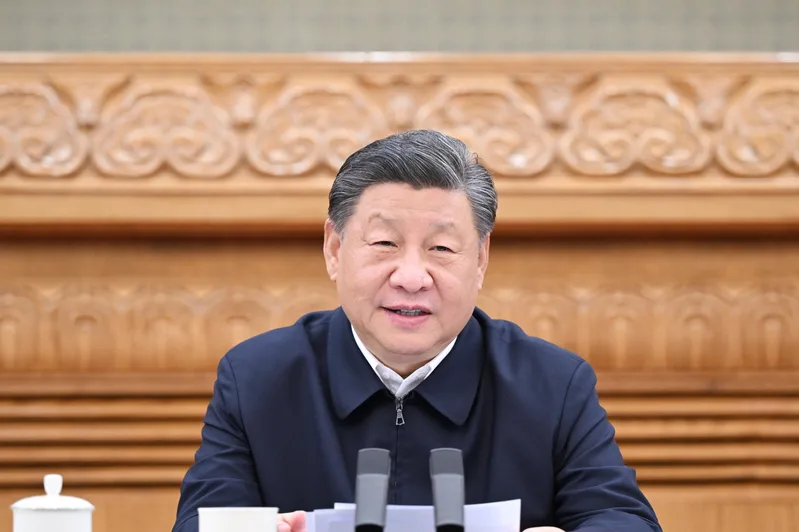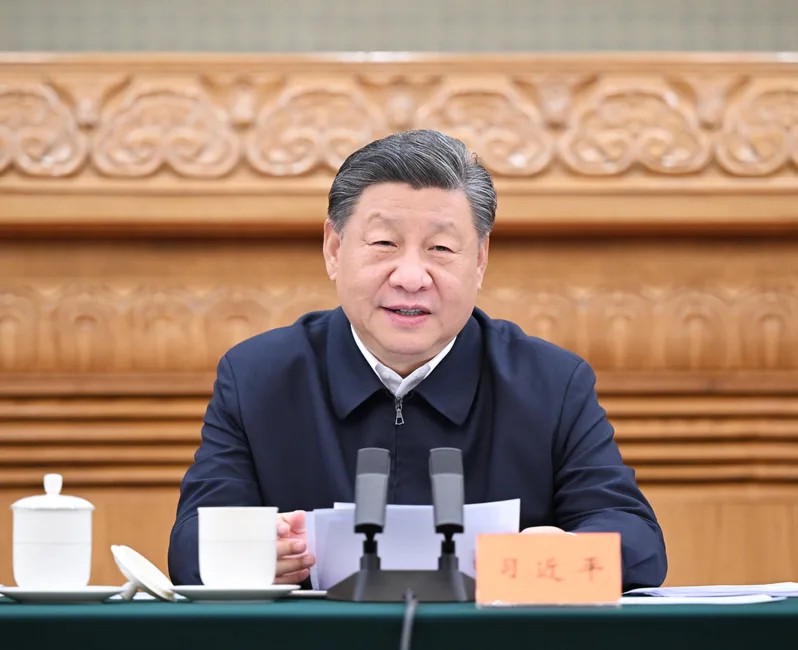
The 2026 World Artificial Intelligence Conference (WAIC) took place in Shanghai from July 17 to 20, drawing over 1,200 international guests and more than 800 companies [1, 2, 3, 4]. Chinese President Xi Jinping attended the opening ceremony on July 17 and delivered the keynote speech, emphasizing AI’s role as a strategic technology for China’s technological leadership, industrial upgrading, and national competitiveness [1, 5, 6]. Xi said, "Artificial intelligence is not only a strategic technology leading a new round of scientific and industrial change, but a strategic question for whether the mainland can seize this opportunity" [1].
Xi highlighted AI’s rapid growth, saying, "As AI advances at a thousand miles a day, the direction to benefit humanity must be firmly anchored, and governance and prevention measures must be timely and precise" [6]. He called AI development “a global symphony of cooperation, not a solo for any single country” [7]. Emphasizing openness, security, inclusiveness, and multilateralism, Xi called for a global AI governance framework under United Nations leadership [5, 6].
China announced it will offer 5,000 AI-focused training slots to developing countries over the next five years and launch international AI application cooperation centers targeting ASEAN, the Arab League, African Union, CELAC, SCO, and BRICS nations [5, 8, 6, 9]. The AI-powered meteorological early-warning system "Mazu" will be deployed in 30 countries [5, 6, 9]. The World Artificial Intelligence Cooperation Organization was established in Shanghai with 29 countries signing its founding agreement [5, 6, 9].
Xi pledged opposition to the over-extension of national security concepts in AI, stating, "We must jointly oppose the practice of generalizing national security concepts in artificial intelligence and elevating our own country's security above others'" [6]. He met with Thailand’s Prime Minister Anutin Charnvirakul and Cambodia’s Prime Minister Hun Manet at the conference, pledging deeper multifaceted cooperation [7].
Shanghai’s AI industry exceeds 500 billion RMB and includes over 400 key enterprises [4]. During the WAIC, the city implemented tight security measures including drone no-fly zones and road closures [4, 10]. Xi arrived in Shanghai on July 15 ahead of the conference [10].
The WAIC builds on China’s political emphasis on AI, which has been studied twice in Chinese Communist Party Politburo collective learning sessions—first in 2018 and again in 2025—to form a strategic development and regulatory framework [1]. On July 8, prior to WAIC, Xi spoke at the National Science and Technology Awards Conference underscoring AI’s interdisciplinary growth [1].
The conference will run through July 20, with follow-up activities expected around the new World Artificial Intelligence Cooperation Organization and international AI partnerships.