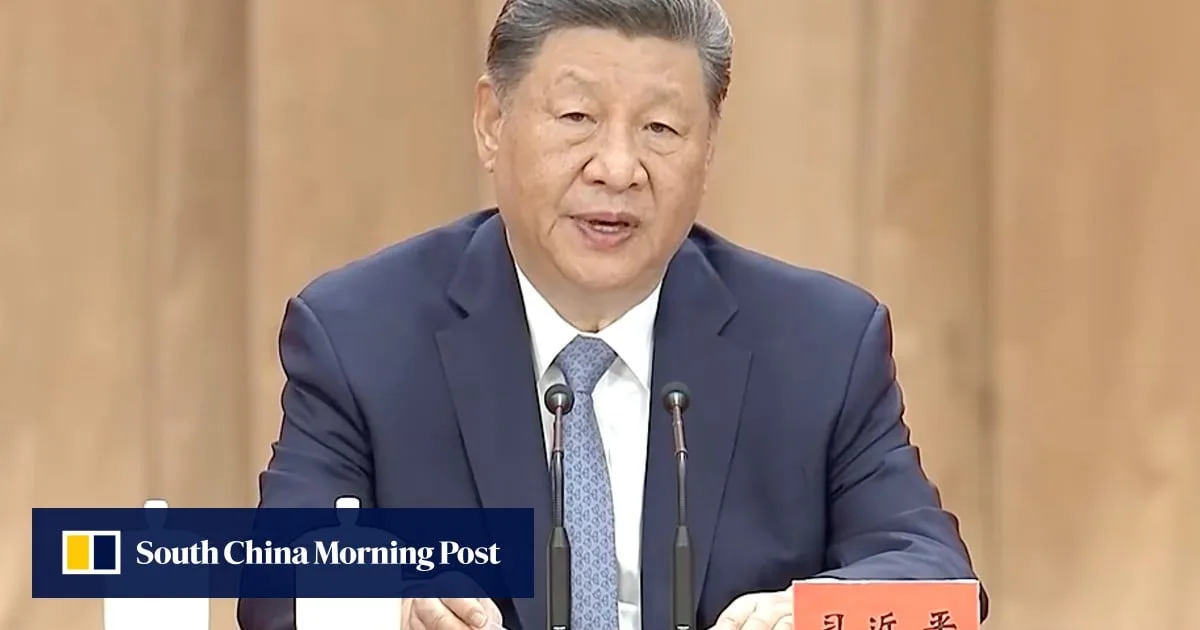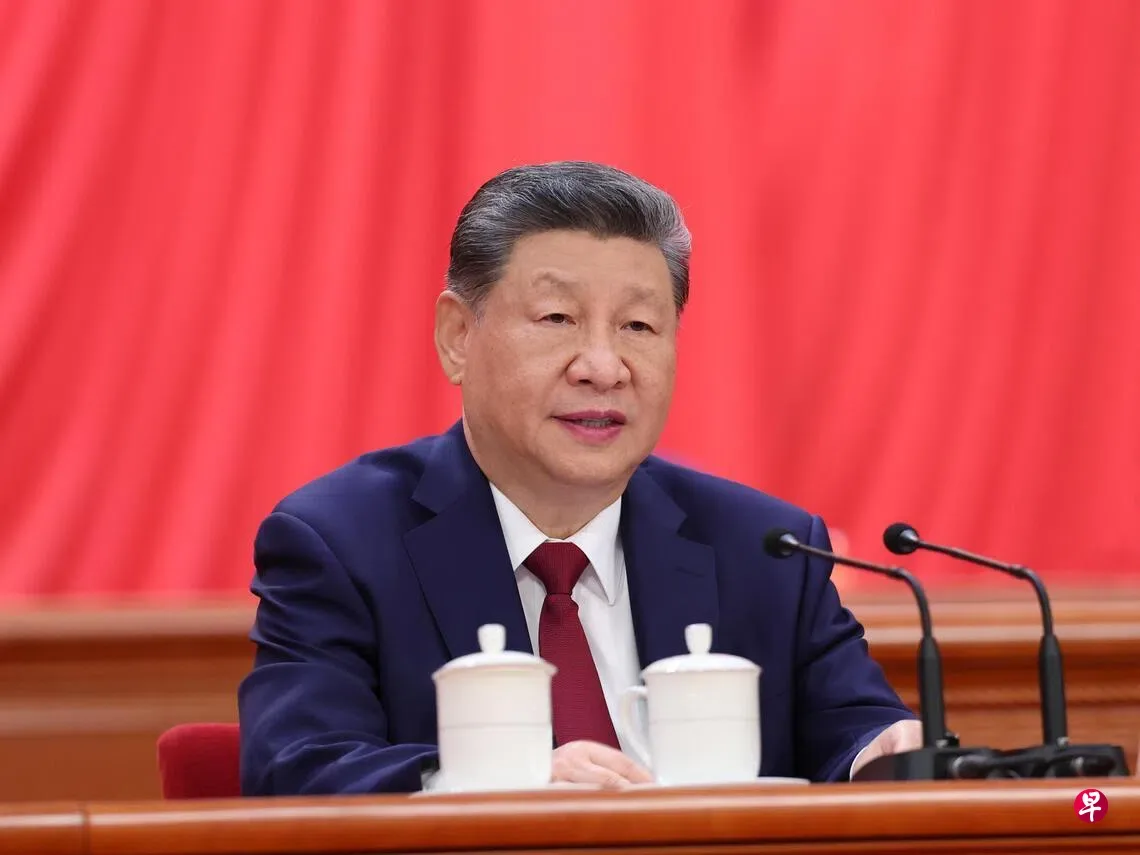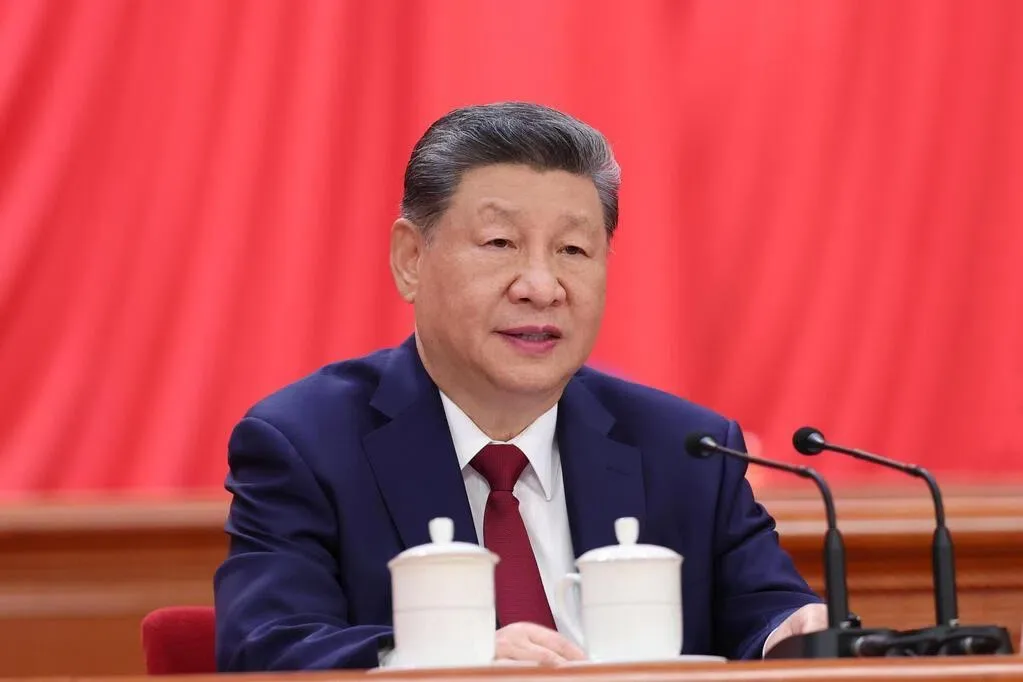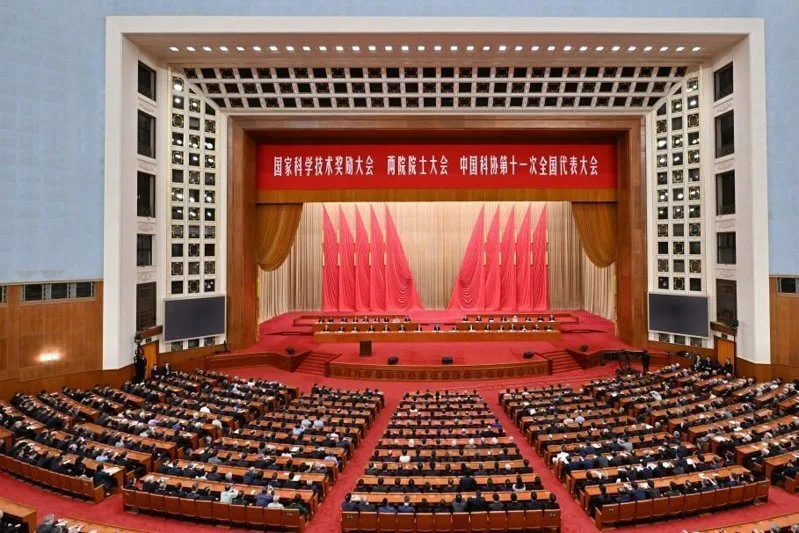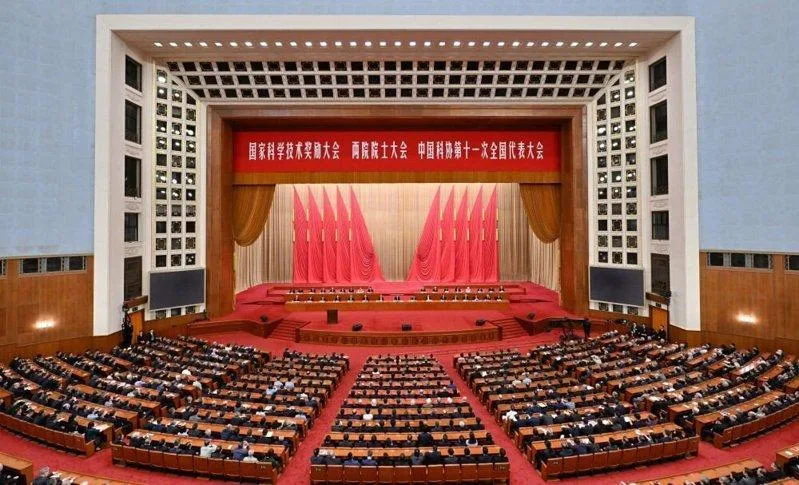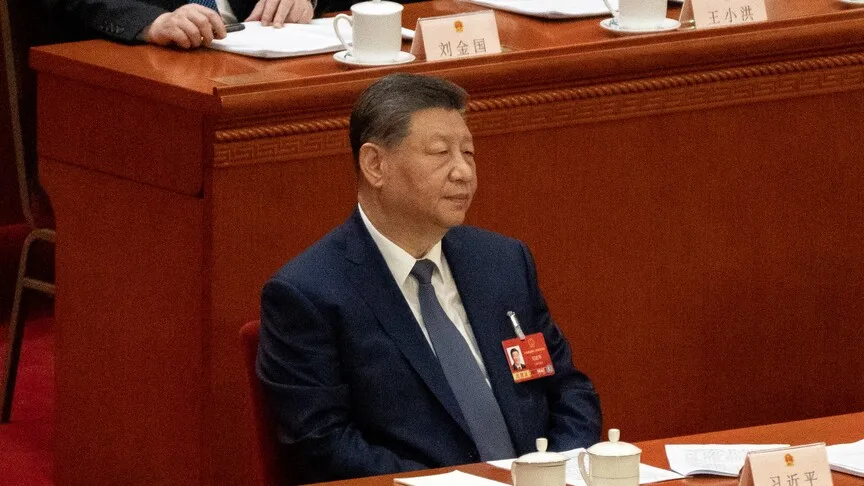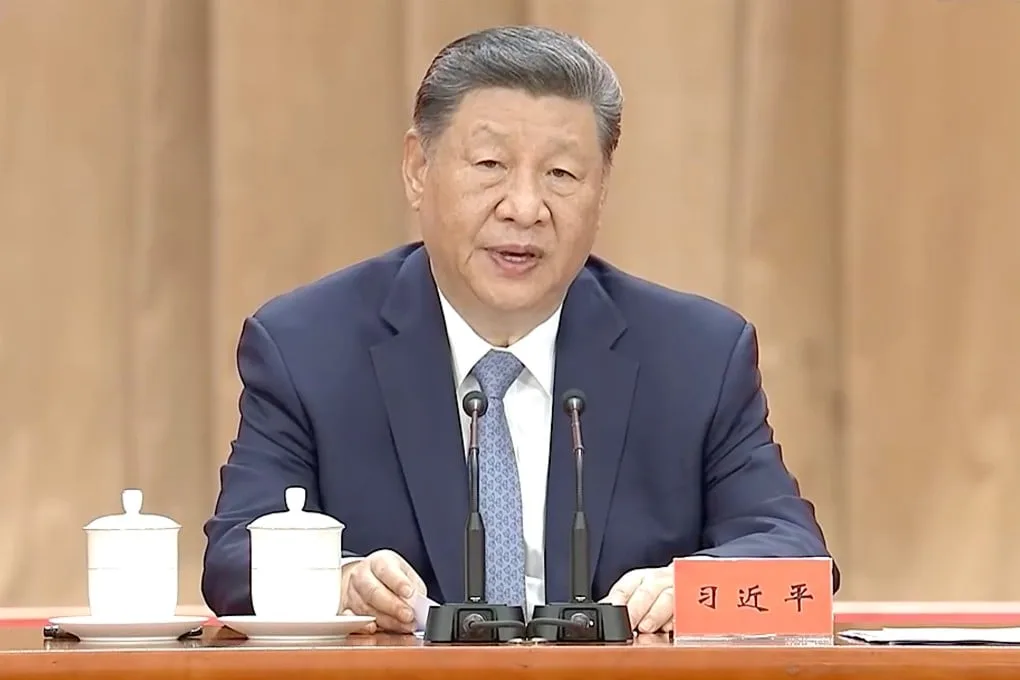
Chinese President Xi Jinping called for accelerating efforts to achieve high-level scientific and technological self-reliance during the country's 15th Five-Year Plan period (2026-2030), a key phase for building China into a leading science and technology power by 2035 [1, 2, 3, 4, 5]. At the July 8 National Science and Technology Awards ceremony at the Great Hall of the People in Beijing, Xi stated, "We must seize the historic opportunity, rise to the challenges of the times, accelerate efforts to achieve high-level self-reliance and strength in science and technology, and make steady progress toward the 2035 goal of becoming a leading country in science and technology" [4]. He underlined China’s rapid transformation from a global science participant to a pioneer and leader since the 18th National Congress [2, 3].
Xi outlined six priorities to drive technological development: enhancing systematic innovation capabilities; integrating technology and industry; cultivating outstanding young talent; improving investment efficiency; reforming science evaluation; and strengthening ethics and security governance [3]. He stressed improving how scientific achievements transform into productive forces, expanding application scenarios, building high-level industrial clusters, strengthening intellectual property protections, and optimizing technology-finance systems [3].
Vice Premier Ding Xuexiang reinforced these goals on July 9 at the academies’ plenary session, highlighting the role of a new national system and Party leadership as key political advantages. Ding called for strengthening basic research, coordinating resources, and focusing on core technologies aligned with China's “Four Orientations” strategic guidance — the world science frontier, main economic battlefield, major national needs, and people’s health [5].
The 2025 National Science and Technology Awards honored 258 projects and 11 experts, including 51 National Natural Science Awards, 58 National Technology Invention Awards, 149 Science and Technology Progress Awards, and 9 International Science and Technology Cooperation Awards for foreign experts [2]. The top State Pre-eminent Science and Technology Award went to Chen Liquan for solid-state lithium battery research and Ben De for military airborne radar technology, each receiving 5 million yuan (~$736,000) [1, 2, 4].
Xi acknowledged challenges remain, such as insufficient original innovation in certain fields, irrational talent structures, and low efficiency of technological investment [1, 3]. However, recent breakthroughs in AI, quantum tech, life and material sciences, and achievements like the Chang’e-6 lunar sample return mission demonstrate progress [3].
China continues to advance steadily toward becoming a science and technology leader by 2035, with the 15th Five-Year Plan critical to accelerating innovation capacity and self-reliance in core technologies [2, 3, 4].