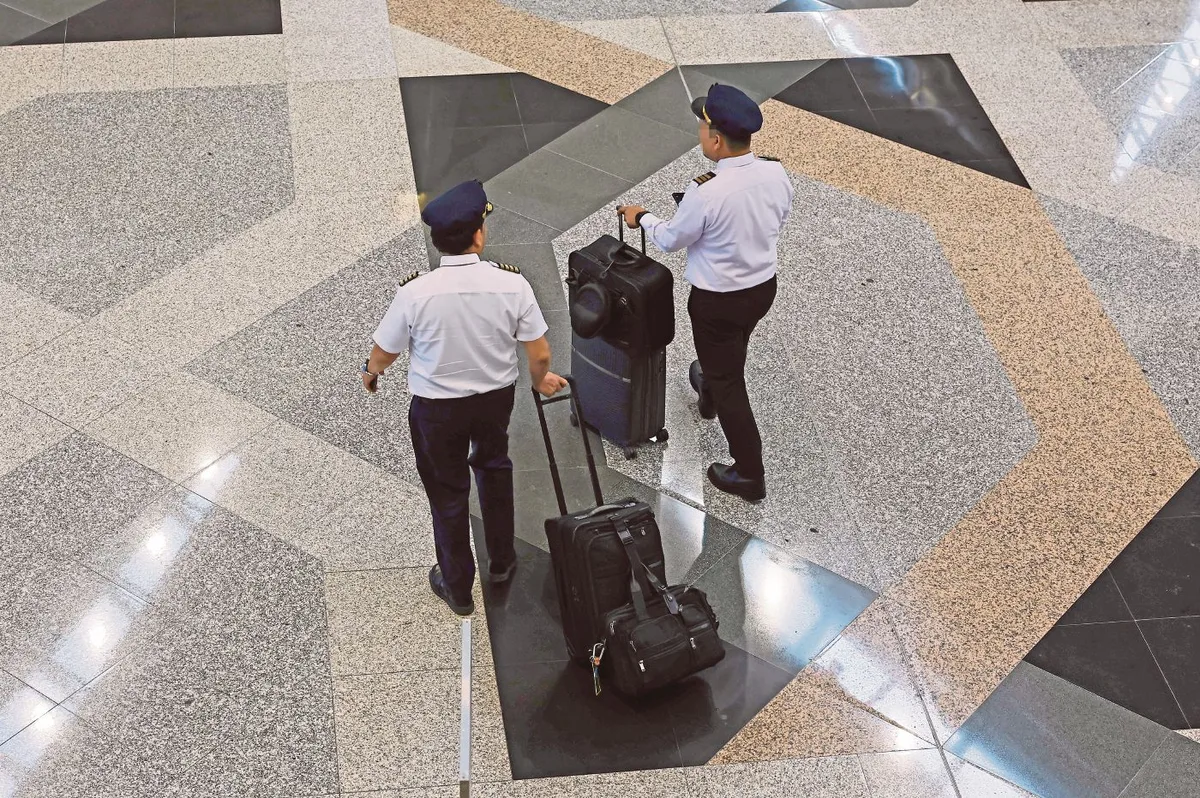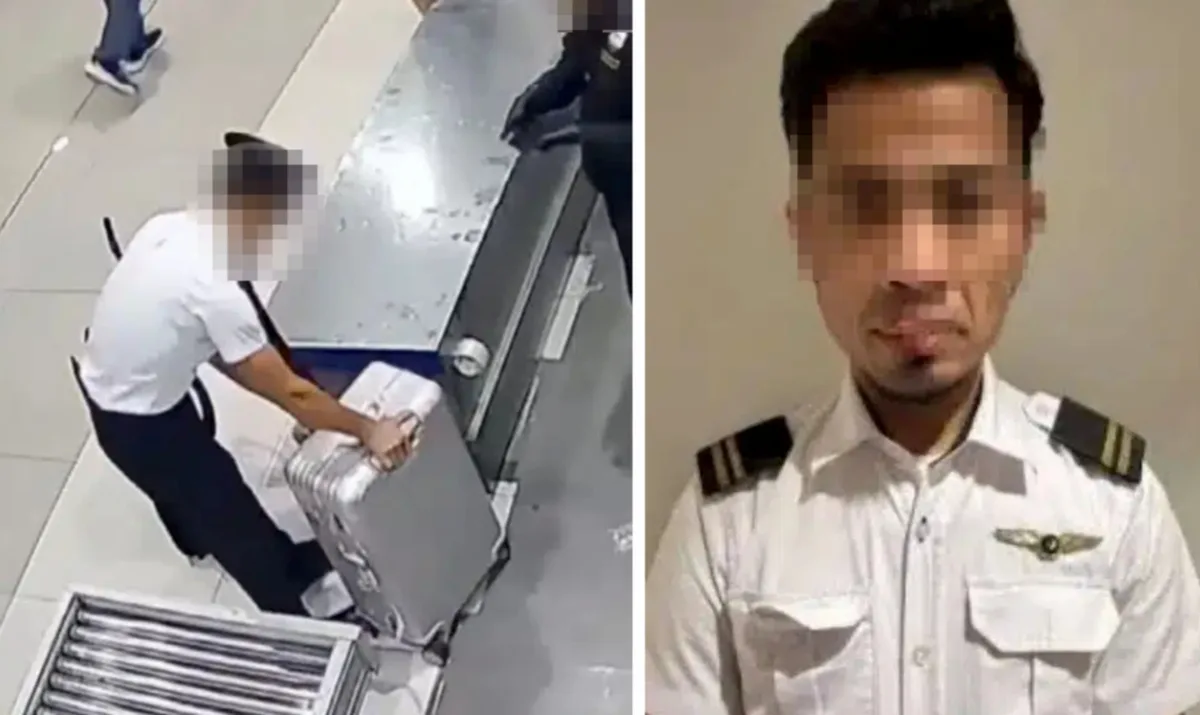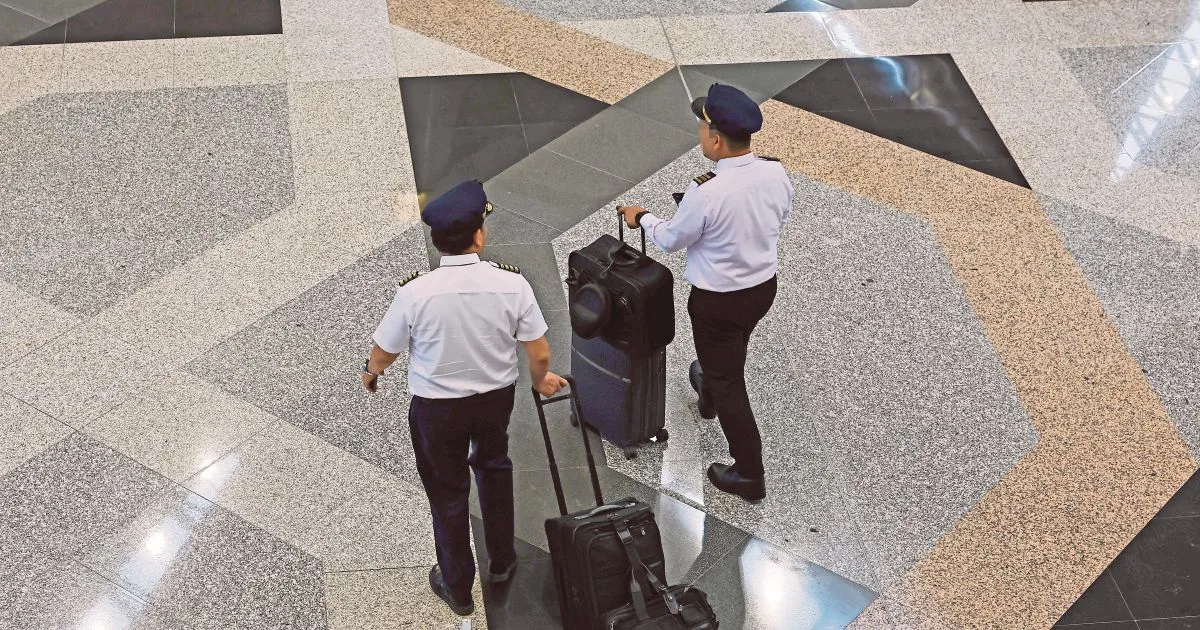
Malaysia Aviation Group (MAG) completed mandatory drug screening for all 1,260 operationally active Malaysia Airlines pilots by August 15, 2026, with every test returning negative results [1, 2, 3, 4, 5, 6, 7]. The screenings were initiated after a Malaysia Airlines pilot was arrested on July 28 at Jakarta’s Soekarno-Hatta International Airport carrying about 70,000 ecstasy pills (MDMA) and testing positive for cocaine and methamphetamine [2, 3, 8, 4, 5, 9, 10]. Authorities seized approximately 25 kilograms of drugs valued at RM45 million, and it is alleged the pilot was promised RM50,000 to act as a courier [9, 10].
MAG has now started drug screening of roughly 2,840 Malaysia Airlines cabin crew members as of August 18, targeting completion by September 3, 2026 [1, 2, 3, 4, 5, 6, 7]. At the same time, MAG’s sister airline Firefly has screened over half of its 158 pilots and 163 cabin crew as of August 15, with all tests negative so far, aiming to finish the process by August 25 [1, 2, 4, 5, 6, 7].
MAG president and group CEO Captain Nasaruddin A. Bakar stated, "We are moving ahead with screening across other operational groups to ensure the same rigorous standards are applied consistently across our airlines. Safety remains at the core of every decision we make, and we will continue taking the necessary steps to strengthen our safeguards, uphold operational standards and maintain the confidence of our passengers and stakeholders" [2].
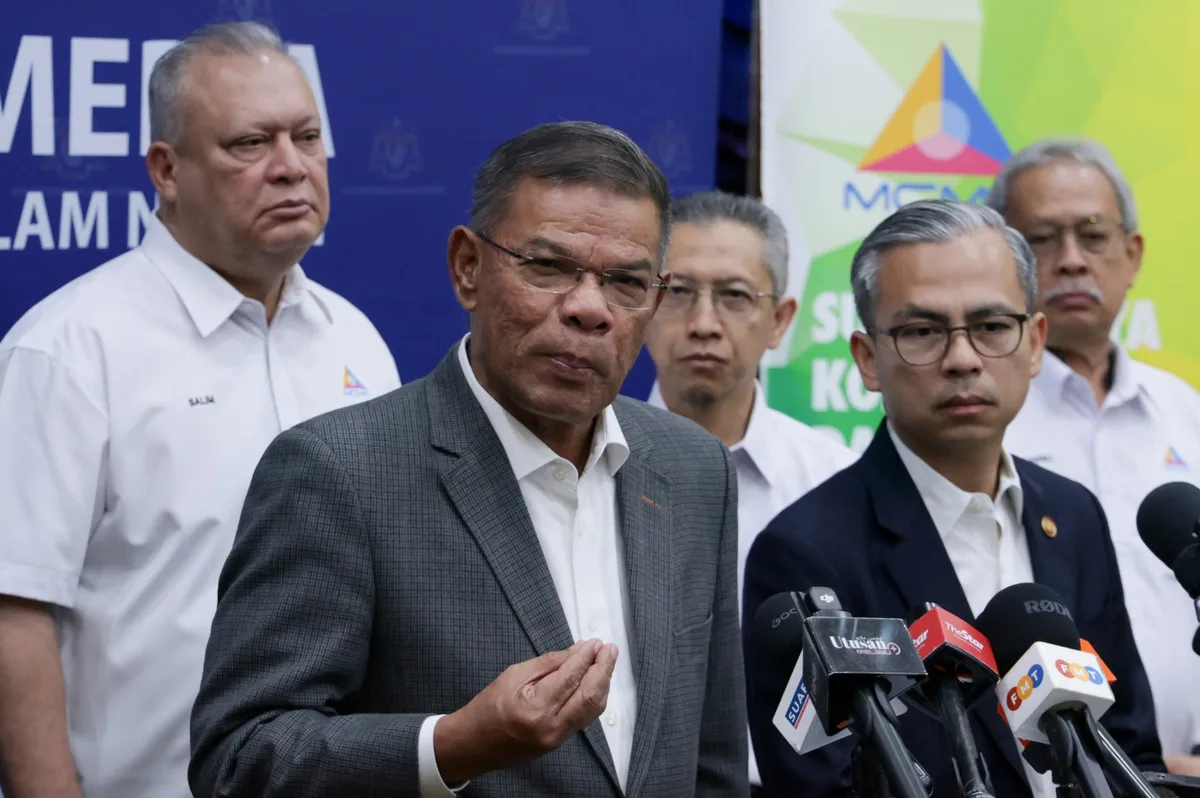
The Malaysian government is investigating whether the arrested pilot acted alone or was part of an organized crime syndicate. Home Minister Datuk Seri Saifuddin Nasution Ismail said, "Let the Narcotics Crime Investigation Department (NCID) complete their investigations first and decide the next step forward, including the matter of extradition. He was arrested there and is subject to the laws of that country. For now, our goal is to obtain as much information as we can on the pattern to see if it is part of an organised crime element or the actions of a lone person and the like. We have to establish all of the facts before deciding the next move." [8]
MAG will continue ongoing random drug and alcohol testing as part of its fitness-for-duty framework, which includes pre-employment screening, recurrent training, medical certification, pre-flight compliance checks, and crew fitness assessments [1, 2, 4, 5, 6, 7].