ASEAN aims to become the world’s fourth-largest economy by 2030, driven by efforts to increase trade among its members, officials said during the 59th ASEAN Day celebrations on August 10, 2026 [1, 2, 3].
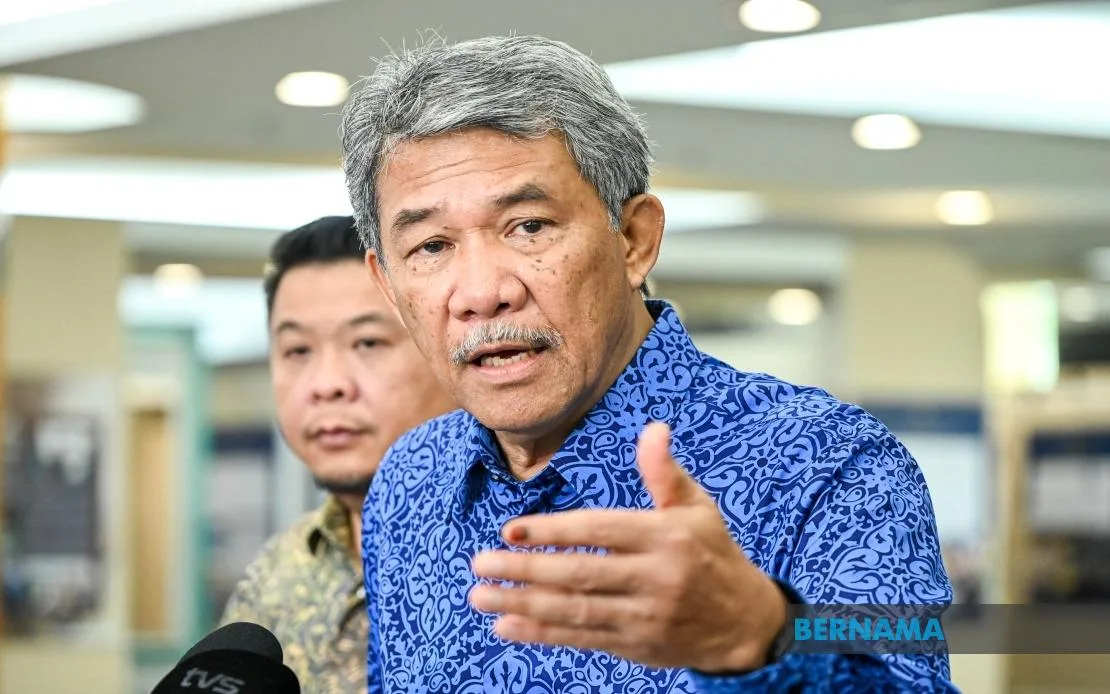
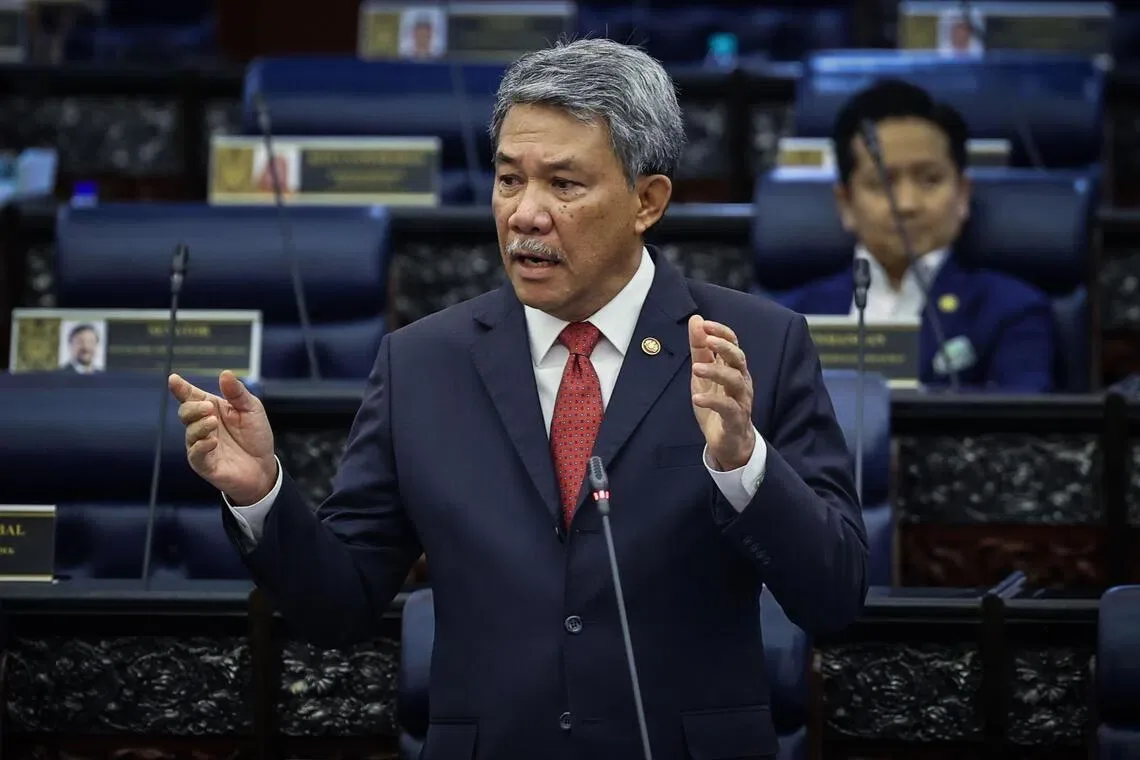
Datuk Seri Mohamad Hasan, Malaysia’s Foreign Minister, said, "Given the current situation, ASEAN is highly likely to become the world’s fourth-largest economy by 2030" [2].
Currently, intra-ASEAN trade accounts for less than 25 percent of total trade among the ten-member bloc. Mohamad Hasan highlighted the need to expand internal trade, stating, "We want to see trade among ASEAN countries grow, as intra-ASEAN trade currently accounts for less than 25 per cent. We still have a lot of trade to build among member nations" [3].
ASEAN facilitates internal trade through mechanisms such as the free movement of goods across member states. Mohamad Hasan added, "We also have mechanisms to enhance trade, including the ‘free movement of goods’ among ASEAN member states. This will further facilitate and boost trade among ASEAN countries" [3].
Malaysia chaired ASEAN in 2025 and advanced multiple resolutions aimed at promoting the bloc’s economic goals [1, 2, 3]. Following its chairmanship, Malaysia was entrusted as the Permanent Shepherd or Permanent Auditor of the ASEAN Community Vision 2045 [1, 2, 3].
In 2026, the Philippines holds the ASEAN chairmanship, continuing efforts from Malaysia’s leadership and the Kuala Lumpur Declaration to strengthen regional economic integration [1, 2, 3].
As ASEAN marks its 59th year in 2026, the bloc continues to pursue policies to deepen economic ties and improve trade cohesion among its members [1].