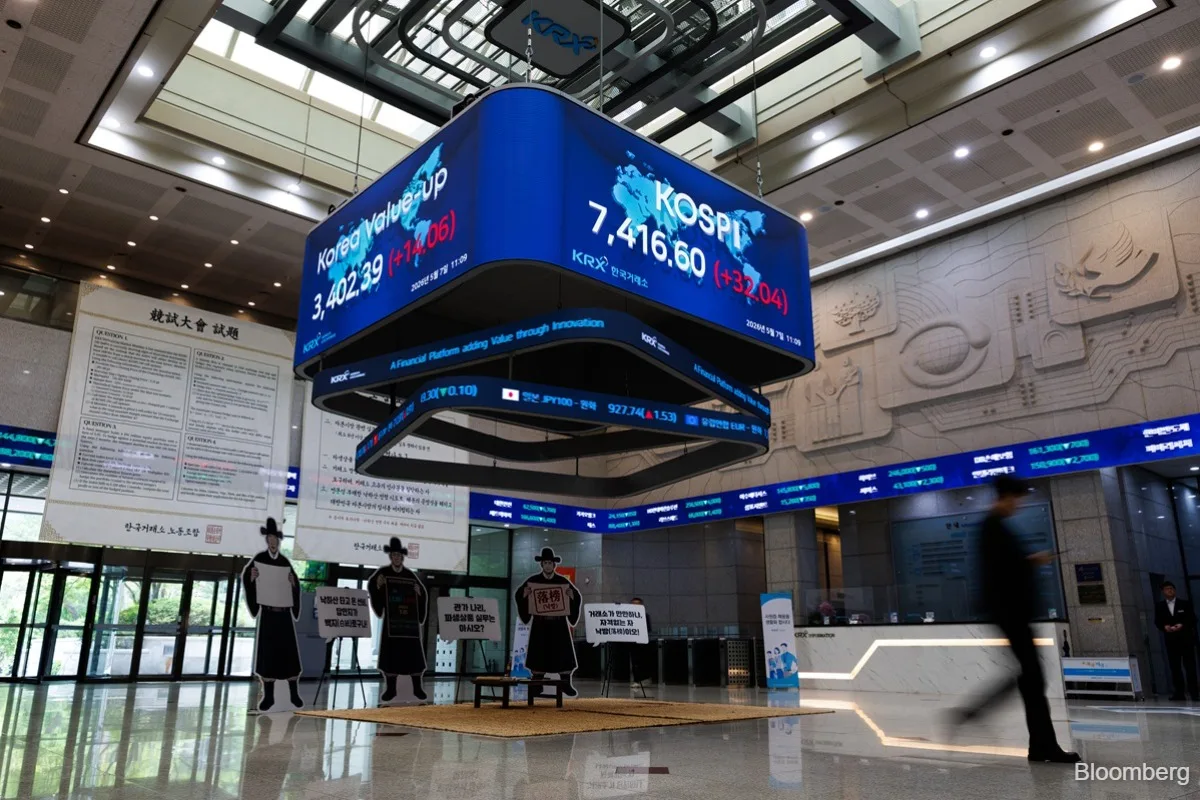
South Korea's KOSPI index dropped between 6.8% and 8.8% in early trading on June 8, triggering a 20-minute circuit breaker halt [1, 2, 3, 4, 5]. The government held emergency meetings over the won's weakness after it hit its lowest level since 2009 [2, 4, 5]. Foreign investors were net sellers of South Korean shares worth about 200 billion won (roughly US$129 million), extending a 21-day selling streak [4].
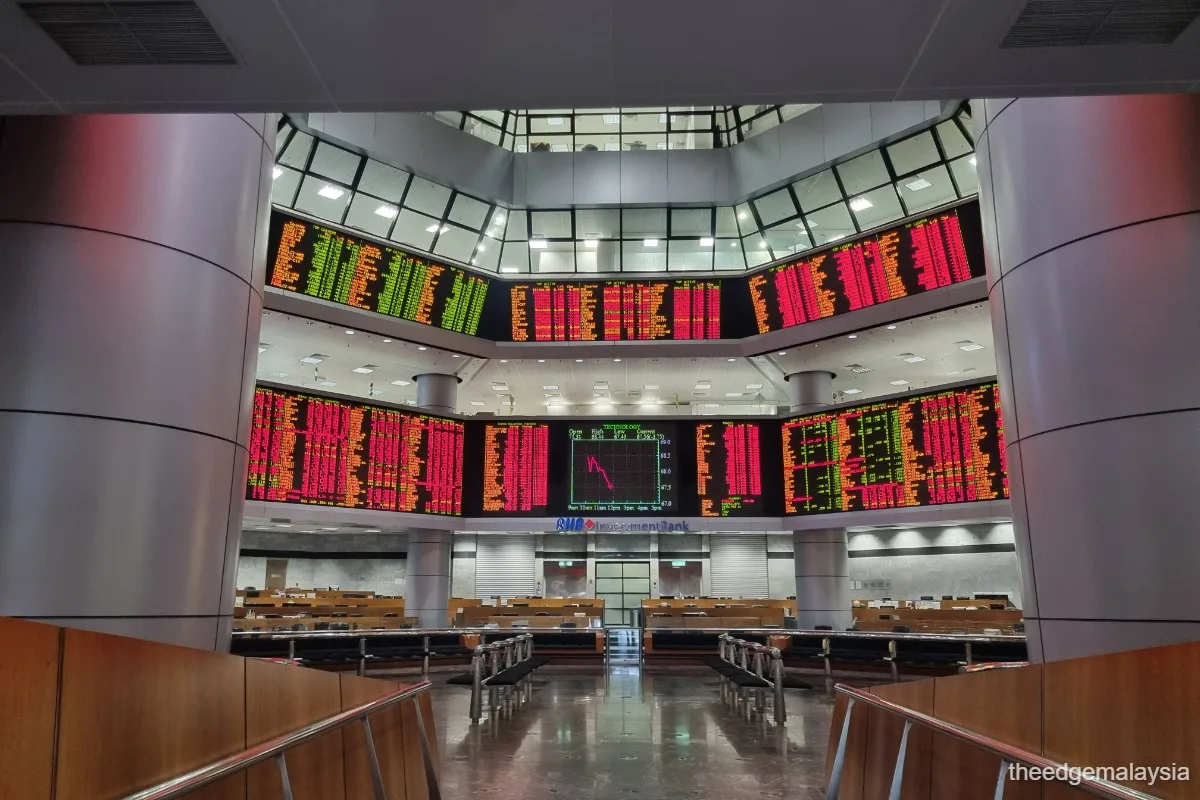
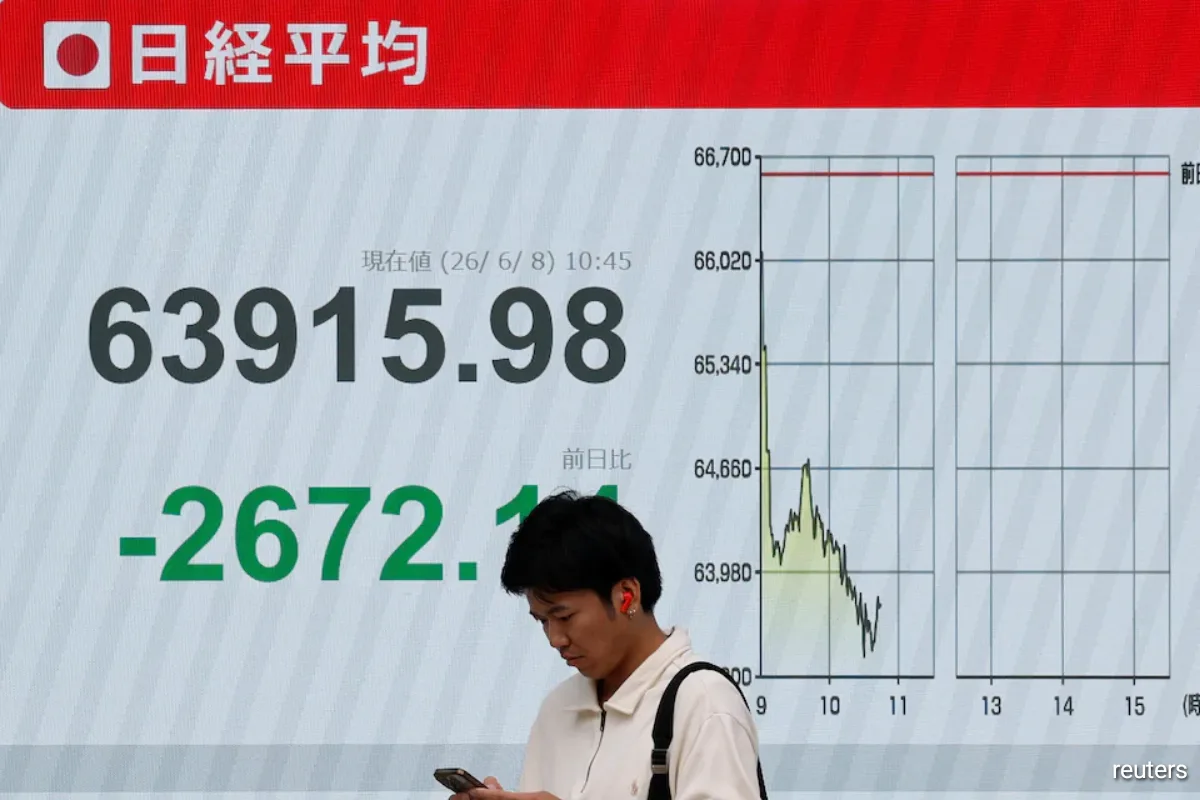
Japan’s Nikkei average fell about 3.4% to 4% the same day, led by losses in tech stocks [1, 3, 5, 6]. Taiwan’s stock market also declined about 3.5% amid the global selloff [7, 8, 6]. Malaysia’s market slipped modestly, with technology shares falling more than 4%, pressured by the tech sector selloff and geopolitical risks [9, 10].
The US Nasdaq index dropped 4.2% on June 5 after a stronger-than-expected US jobs report raised expectations of Federal Reserve interest rate hikes, triggering a tech selloff ahead of trading on June 8 [2, 3, 4, 8, 6]. "The AI-drives-everything narrative frayed last week," said Bob Savage of BNY. He added that upcoming mega tech IPOs by SpaceX, Anthropic, and OpenAI may be draining liquidity from existing tech stocks [2, 3, 10, 8].
Marc Velan at Lucerne Asset Management described the tech selloff as "a positioning and momentum unwind" rather than a reassessment of the long-term AI growth story, noting Korean tech stocks as a natural source of liquidity when rate hike expectations shifted [3, 6]. Han Ji-young of Kiwoom Securities said, "A surprise in US employment data triggered bond yield rises and provided an excuse for correction in an overheated market amid accumulated pressure from the surge in semiconductor stocks." She expects the rout to be short-lived given robust earnings momentum [4].
Tensions in the Middle East escalated as Iran fired missiles at Israel, pushing Brent crude oil prices up about 2.6% to 3.9%, reaching nearly US$95.45 to US$95.60 a barrel on June 8 [2, 3, 5, 9]. Mohd Redza Abdul Rahman of BIMB Securities warned of ongoing volatility as tech sectors digest AI valuation concerns and global risk-off sentiment persists [9]. Lars Skovgaard of Danske Bank noted, "The market has gone a long way without a correction. The big surprise is not that we had a selloff, but that we didn't have it before" [6].
South Korean officials continue monitoring the won and equity markets after the emergency meetings amid volatile trading. The focus remains on further US Federal Reserve policy signals following the strong jobs data released on June 5 [2, 3, 4].