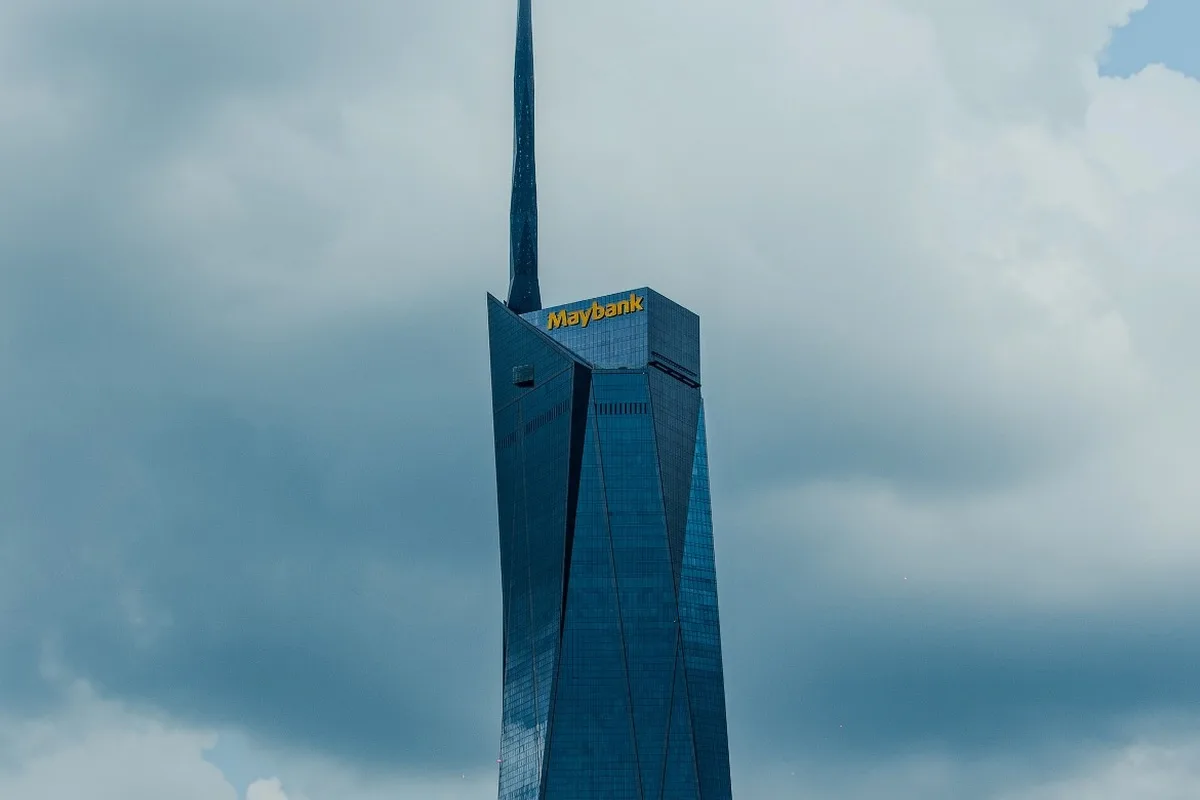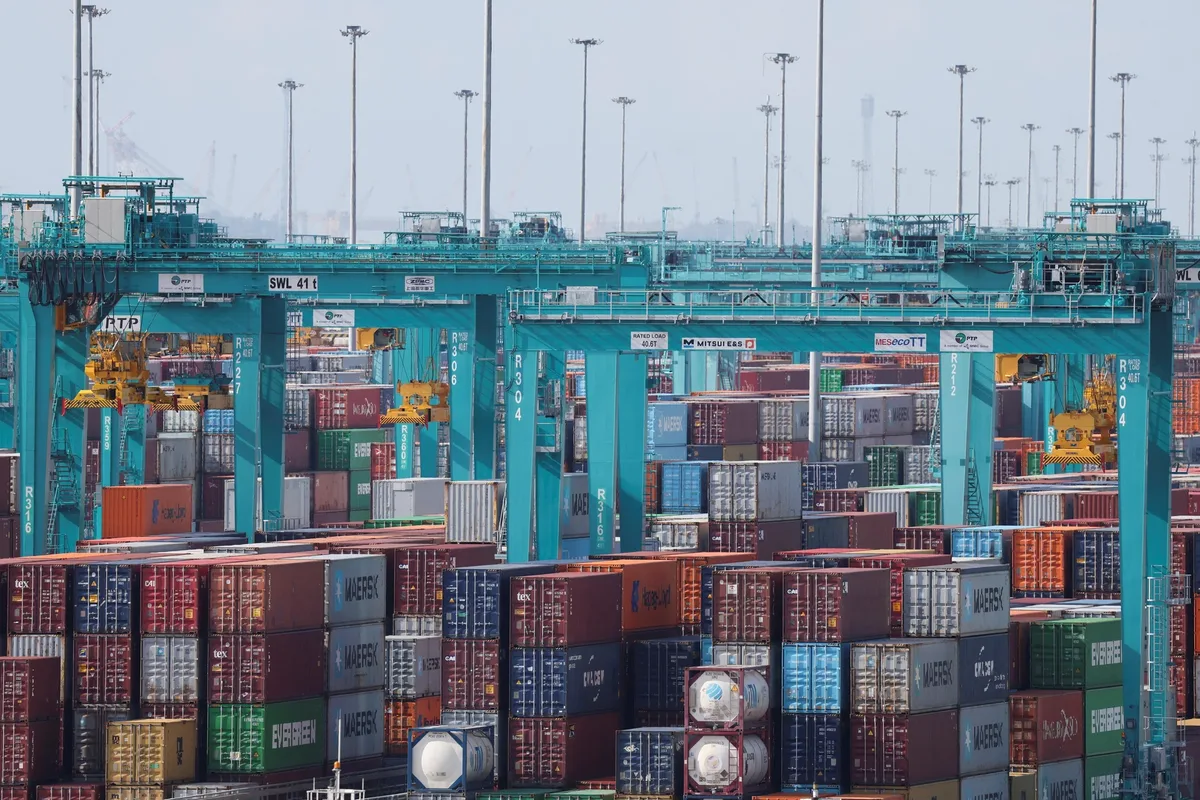
Bank Negara Malaysia (BNM) kept its overnight policy rate (OPR) unchanged at 2.75% on September 3, 2026, for the seventh consecutive meeting [1, 2, 3, 4, 5]. The central bank removed the word "appropriate" from its monetary policy statement, a shift seen by economists as a hawkish signal that a rate increase could come later this year [1, 3, 4].
Economists noted the wording change could give BNM flexibility rather than commit to a hike. Sanjay Mathur, ANZ Research chief economist for Southeast Asia and India, said, "This was a sign that BNM is less comfortable keeping rates this low, as the firm kept its forecast for a 25 basis point hike at the next meeting on Nov 5" [1]. Yun Liu, HSBC senior economist for Asean, added, "The wording change likely gives BNM flexibility if needed, rather than signalling a firm decision to raise rates" [1]. OCBC economist Lavanya Venkateswaran noted, "BNM’s omission of the word 'appropriate', which it had used in July, pointed to a hawkish turn" [3].
Malaysia’s economy grew by 6% year-on-year in the second quarter of 2026, outpacing regional peers [2, 3, 4, 5]. The economy is projected to expand around 5% for the full year, near the upper end of official forecasts [2, 3, 4, 5]. BNM cited stable labour market conditions and ongoing investment activity as supporting domestic demand [2, 3, 4, 5]. Growth in 2027 is expected to be led by robust export demand, particularly in technology-related goods, and sustained tourist spending [2, 3, 4, 5].
Inflation remained modest, with headline inflation averaging 1.8% and core inflation 2% during the first seven months of 2026 [2, 3, 4, 5]. Despite ongoing geopolitical risks from the Middle East conflict and lower commodity production, BNM emphasized it would stay vigilant toward cost pressures and domestic demand conditions [1, 2, 3, 4, 5]. The bank downplayed risks from El Niño or food prices in its latest statement [1].
Prime Minister Anwar Ibrahim increased quotas for subsidized petrol and diesel on August 31 to manage cost pressures on households [2, 3, 4]. Higher tech investments and exports, fueled by global AI infrastructure growth, helped shield Malaysia from economic shocks including the US-Israeli conflict on Iran [2, 3, 4, 5].
BNM will meet again on November 5, when the next OPR decision is expected amid continuing growth and inflation developments [1].