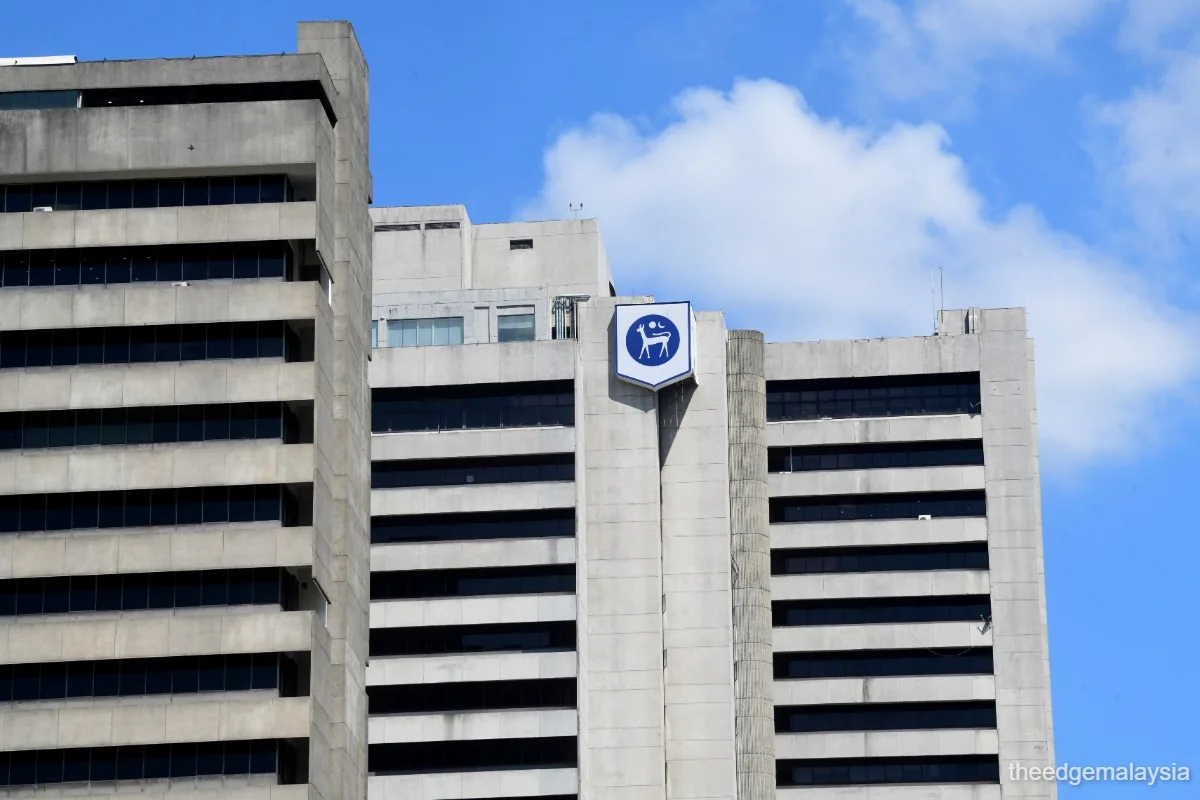
Bank Negara Malaysia (BNM) decided on July 9 to keep the Overnight Policy Rate (OPR) unchanged at 2.75%, marking the sixth consecutive meeting without a rate change since the central bank reduced the rate by 25 basis points in July 2025 [1, 2, 3, 4, 5, 6, 7]. The Monetary Policy Committee stated that the current policy stance remains appropriate and supports continued price stability and sustainable economic growth [3].
Malaysia’s economy expanded by 5.4% year-on-year in the first quarter of 2026 despite regional geopolitical tensions, signaling resilient growth fundamentals [2, 3]. The central bank projects the country's economic growth for the full year to remain between 4.0% and 5.0% [1, 2, 3, 4, 5, 6]. Inflation is expected to average between 1.5% and 2.5% in 2026, with recent data showing headline inflation near 1.7% and core inflation around 2.1% during the first five months of the year [1, 2, 3, 5, 8, 6].
BNM Governor Datuk Sri Abdul Rasheed Ghaffour emphasized a data-driven approach to future policy adjustments, stating, "We monitor a wide range of economic indicators very closely. If there is a shift in the outlook for growth and inflation, we will make adjustments. That is our guiding principle for monetary policy" [8]. The central bank also highlighted external risks, citing ongoing Middle East conflicts, tighter global financial conditions, and market valuation concerns as downside risks to global growth, with potential upside from faster supply chain recoveries and stronger technology spending [5, 7].
While many economists expect BNM to hold the OPR at 2.75% throughout 2026, anticipating gradual rate hikes in 2027 if growth and inflation remain stable, the ANZ Research forecast differs by projecting a 25 basis point increase in the second half of 2026 [3].
BNM last cut the OPR from 3.0% to 2.75% on July 9, 2025, and has maintained it at this level since [1, 2, 4, 7]. The next monetary policy review will monitor incoming data closely to guide future decisions [8].