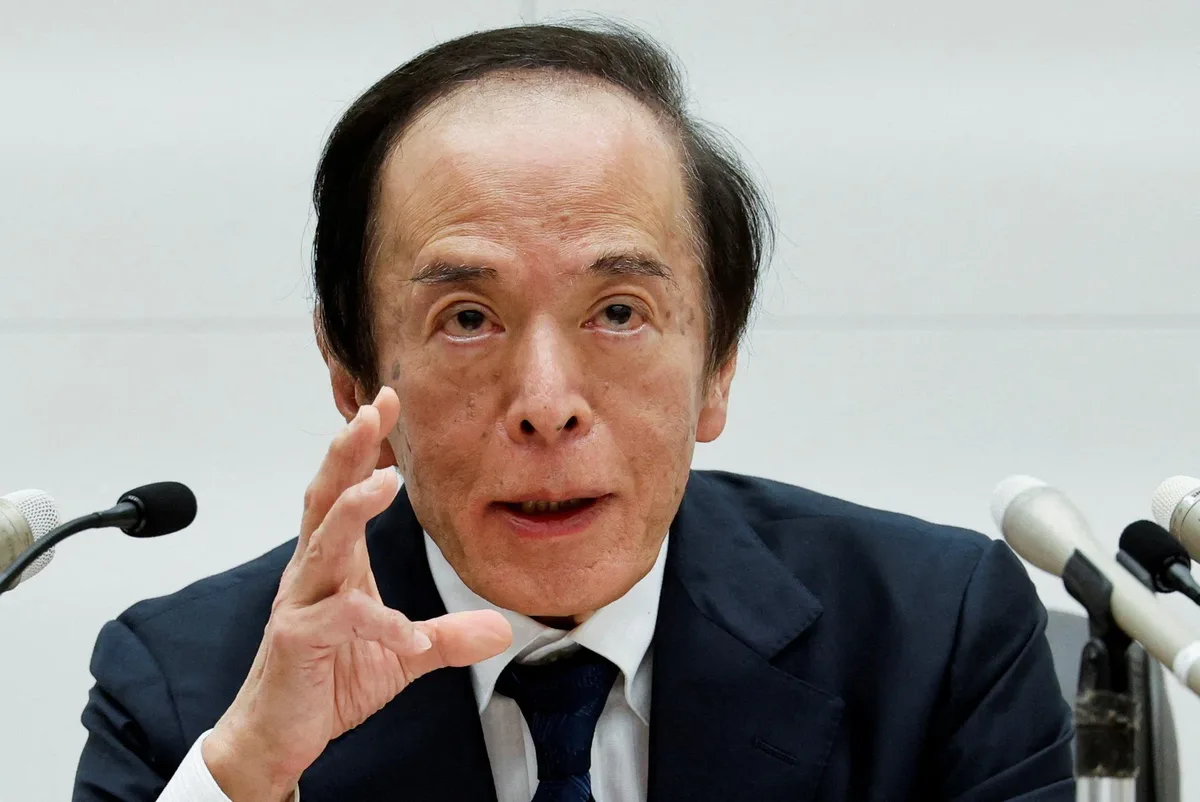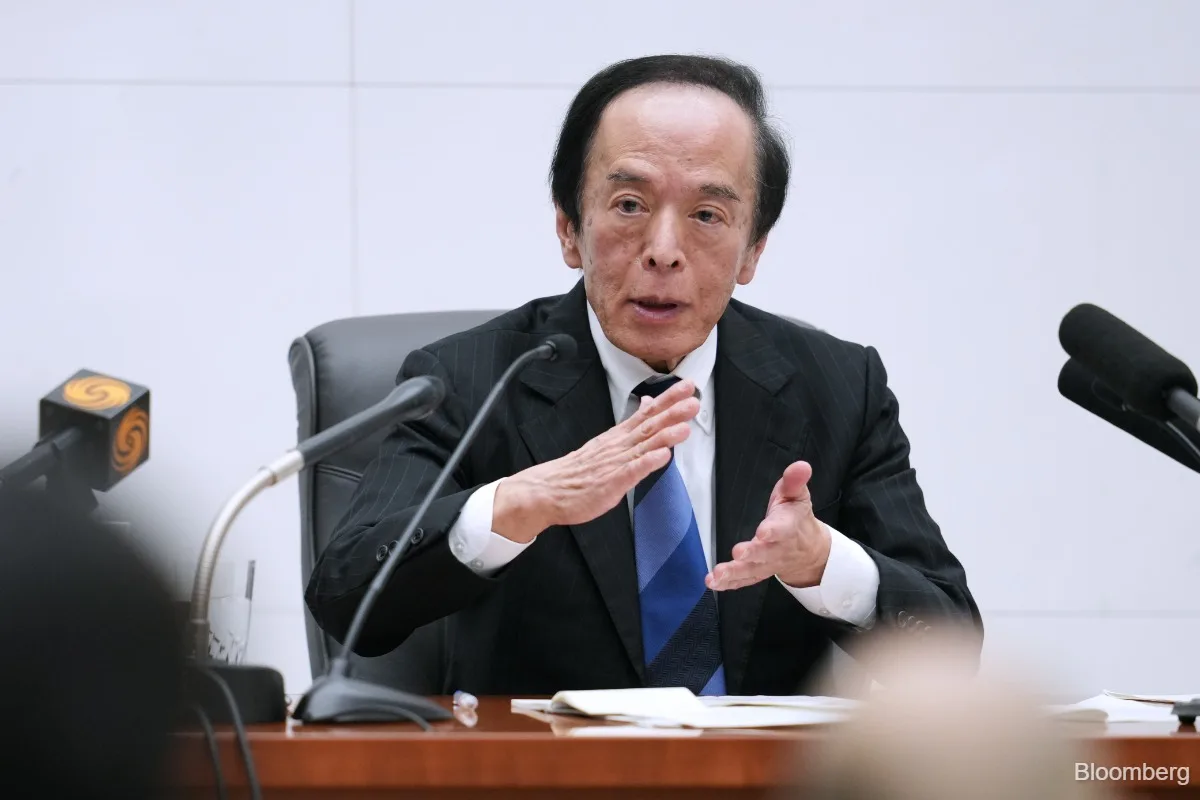
Bank of Japan Governor Kazuo Ueda, 74, was discharged from hospital on June 19 after being treated for a liver cyst infection since June 9 [1, 2, 3]. He missed the Bank of Japan policy meeting on June 16 due to hospitalization. During his absence, the policy board raised the benchmark interest rate to 1%, the highest level since 1995, marking a significant step in the bank’s ongoing monetary policy normalization [1, 2, 3].
Deputy Governor Ryozo Himino presided over the policy board meeting on June 16, while Deputy Shinichi Uchida handled the post-decision press briefing [1, 3]. Ueda began the process of normalizing BOJ monetary policy in March 2024 by ending the world’s last negative interest rate regime [1, 3].
The Bank of Japan confirmed Ueda is scheduled to return to work on June 23. He will continue outpatient treatment for about two weeks while carrying out his official duties. A BOJ statement said, “The Governor was discharged from the hospital today and is scheduled to return to work on the 23rd. For approximately the next two weeks, he is expected to continue carrying out his official duties while undergoing outpatient treatment.” [1]
Ueda’s hospitalization lasted about two weeks, and his return will restore full leadership at the bank as it manages policy amid ongoing economic challenges [1, 2, 3].