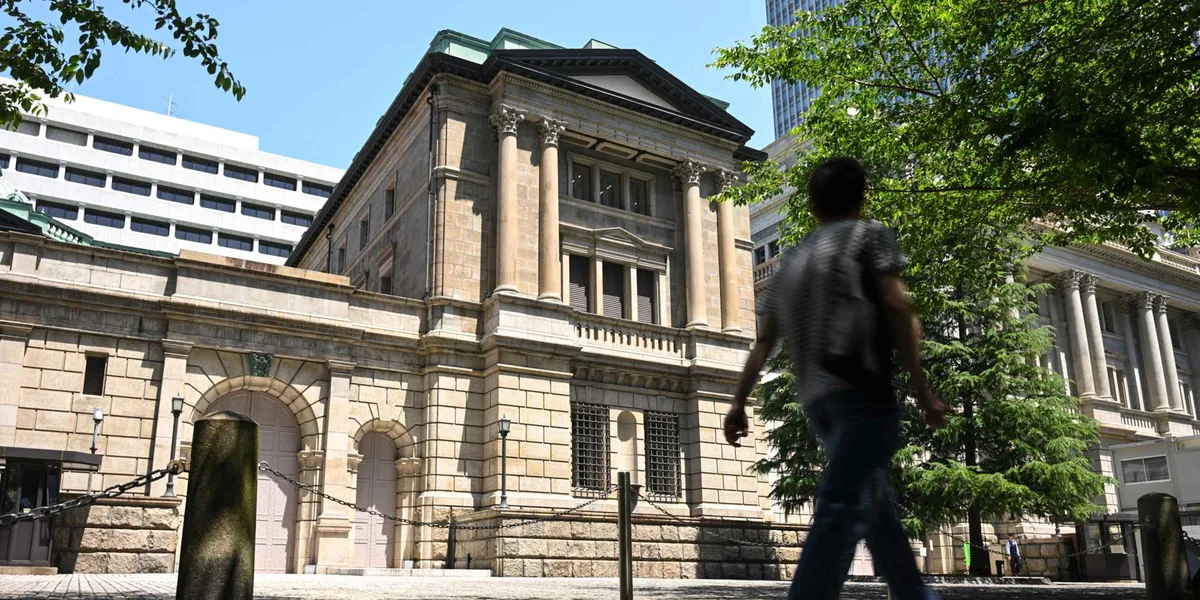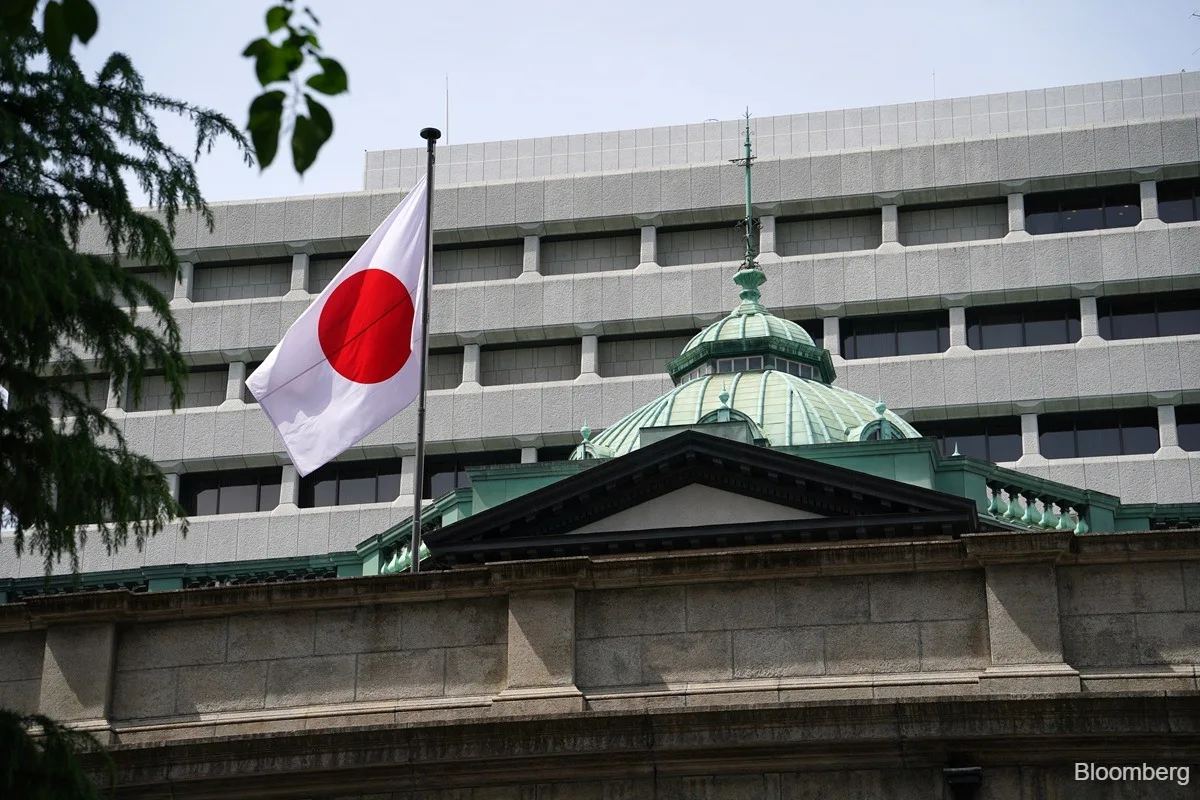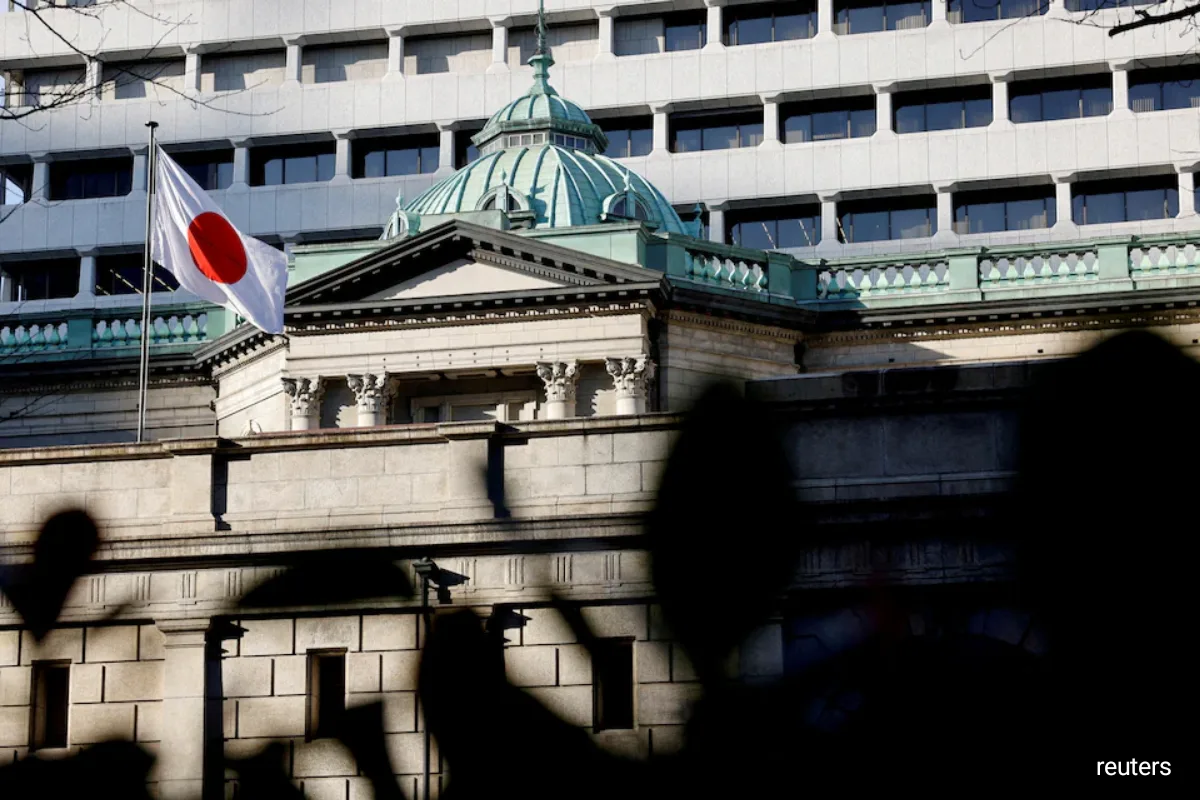
The Bank of Japan (BOJ) kept its policy rate steady at 1% during its July 30-31 meeting but indicated it may raise rates faster than the roughly two hikes per year pace in the near future to address rising inflation risks above the 2% target [1, 2, 3, 4]. At least three of the nine BOJ board members supported accelerating rate increases to prevent inflation from overshooting, with one member saying, "Given we must pay attention to the risk of an inflation overshoot more than before, the pace of rate hikes could be faster than markets expect" [1]. Another member stated, "The risk of waiting is no longer marginal. We must accelerate the pace of adjustment to the degree of monetary accommodation" [1]. The BOJ emphasized a flexible approach to rate setting, responding to market conditions rather than adhering to a fixed schedule. "The BOJ needs to adopt a nimble approach in response to factors such as changes in overseas financial conditions and to discuss the size of a rate hike, rather than adhering to a certain pace of rate hikes," a board member said [2].
Rising inflation concerns stem from a weak yen, which hit a 40-year low against the US dollar in July, as well as rising import costs and strong demand driven by artificial intelligence-related growth worldwide [1, 2]. Japanese and US authorities intervened jointly in July to support the yen after it weakened sharply [1, 2, 3, 4]. The yen hovered around 158.05 per US dollar mid-morning August 10, showing little immediate reaction to the BOJ's July meeting report [3, 4].
The BOJ’s June decision combined a rate hike with suspending bond tapering from the next fiscal year, reflecting concerns over rising Japanese government bond yields and market stability [5]. Prime Minister Sanae Takaichi’s expansive fiscal policies have pushed yields higher, increasing borrowing costs and pressuring the BOJ to balance tightening with bond market support. Toshihiro Nagahama, a government panel member, said the Takaichi administration "puts more emphasis on the quantitative aspect of monetary policy rather than conventional tools like interest rate hikes" [5].
On August 10, Japanese government bond yields rose in line with growing market expectations for faster BOJ rate hikes [6, 7]. Investors now price in about a 66% chance of a rate hike in September and a 96% chance by October, signaling wide anticipation of further monetary tightening before year-end [3, 4].
The BOJ’s next key decision will likely come at its September policy meeting, when it may start raising rates faster to respond to inflationary pressures and a changing global economic outlook.