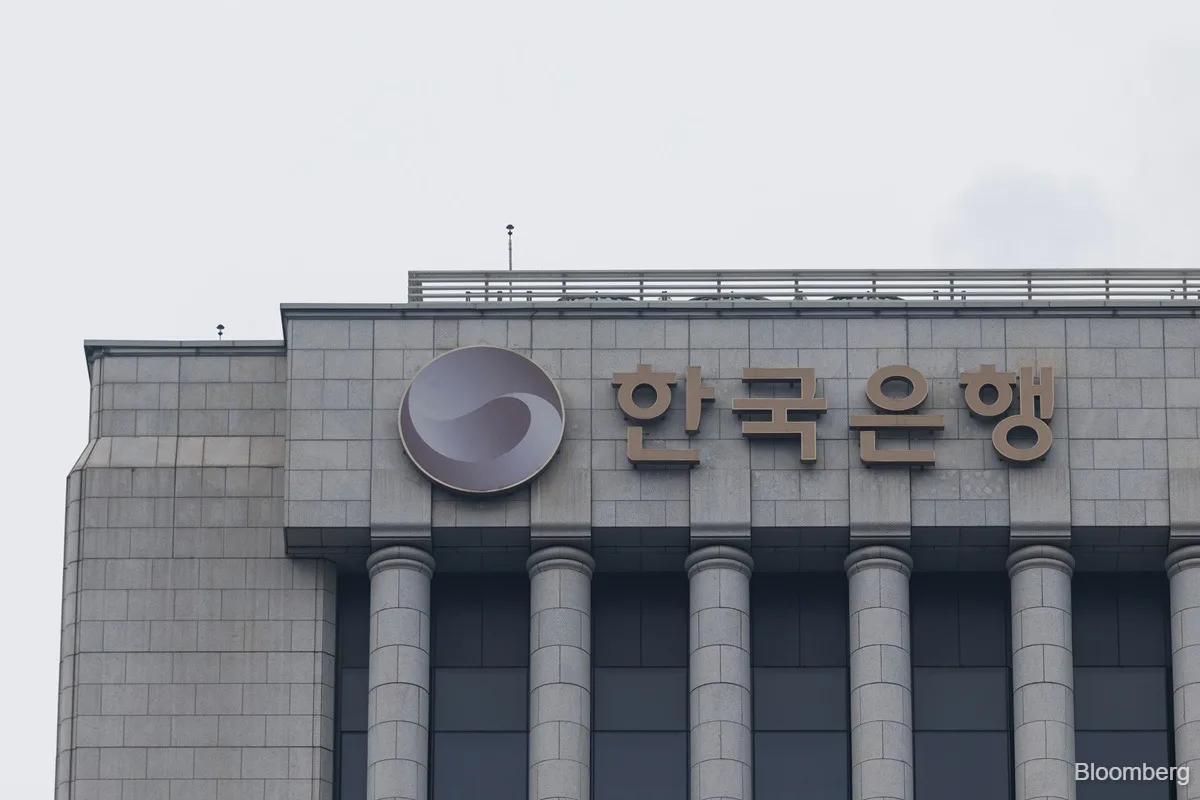
Bank of Korea (BOK) deputy governor Ryoo Sangdai indicated on August 11 that further interest rate hikes are likely, citing inflation risks and strong economic growth as key factors [1, 2, 3]. The central bank raised its benchmark rate by 0.25 percentage points to 2.75% in July, the first increase since early 2023 [1, 2, 3].
Ryoo said future rate decisions will depend on incoming data, with particular focus on core inflation levels, economic growth momentum, and financial stability. He stated, "Much more weight will be placed on whether core inflation remains elevated going forward, whether the economy can sustain its growth momentum, and on financial stability issues" [1].
South Korea’s headline inflation eased to 2.8% in July, above the BOK’s 2% target, while core inflation edged up slightly to 2.6% [1, 2, 3]. Ryoo expects inflation will stay above target for longer due to wage and consumption increases in the semiconductor industry but does not anticipate sharp spikes like those seen after Russia’s 2022 invasion of Ukraine. He said, "The scale of the increase may not be large, but it could be persistent" [1, 2].
The recent stabilization of the won and a decline in the Kospi stock index provide some policy leeway but are not decisive factors. Ryoo noted, "The won’s recent stabilisation coupled with a decline in the country’s benchmark Kospi index give monetary policy board members some leeway, but I don’t see that as such a critical factor" [1]. He also expects the won to strengthen over time against the US dollar due to strong fundamentals like record trade and current-account surpluses [1].
South Korea’s economy grew 0.6% in the second quarter of 2026, supporting the case for cautious tightening [1, 2]. Ryoo’s term as deputy governor ends on August 20, shortly before the BOK’s next monetary policy meeting scheduled for August 27 [1, 2, 3]. That meeting is expected to provide clearer guidance on whether rates will rise again in response to inflation dynamics and economic data.