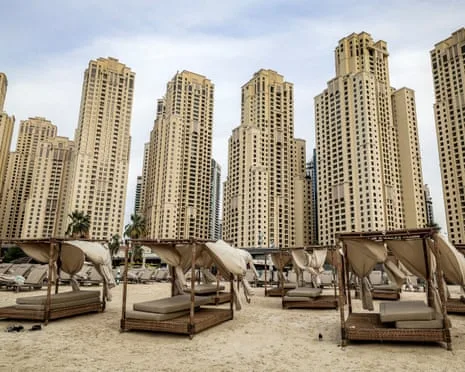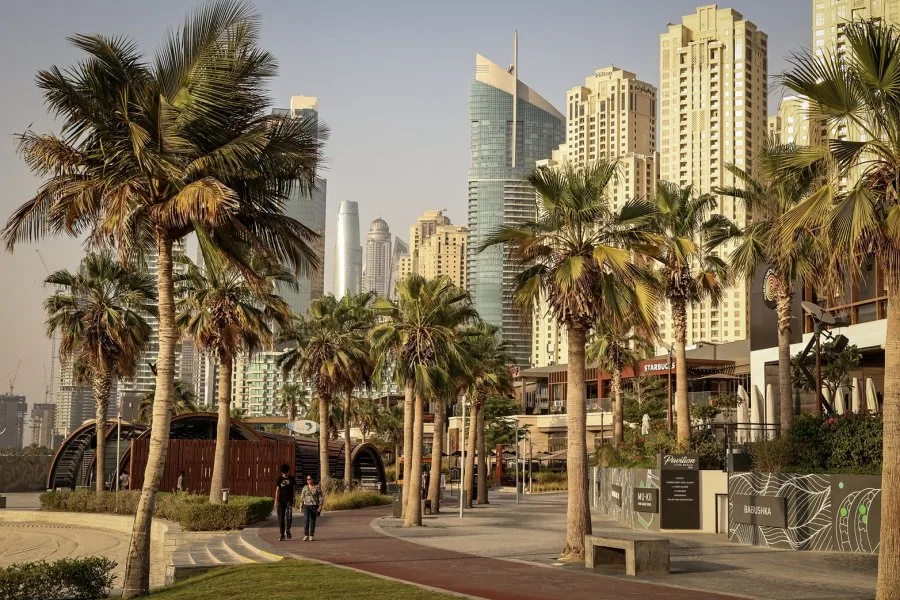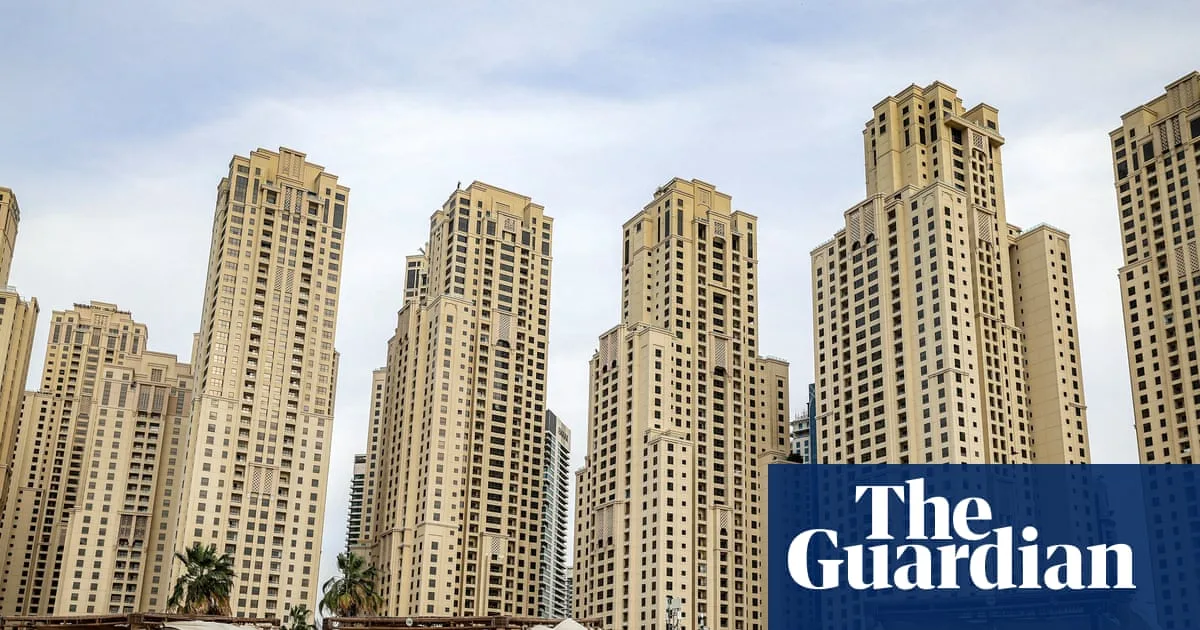
Dubai introduced the 'Dubai Invite' scheme on July 20, 2026, enabling UAE residents to nominate up to three non-resident friends or family members to visit the city and enjoy benefits valued at more than AED 3,000 (around $800) [1, 2, 3, 4]. These benefits include hotel stays, dining offers, attraction tickets, and discounts such as up to 55% off hotel rates and buy-one-get-one deals at restaurants [1, 2, 3, 4].
Nominees must enter Dubai on valid tourist visas before October 31, 2026, with benefits redeemable through December 2026 [1, 2, 3, 4]. Initial response has been strong, with over 10,000 applications received within the first 48 hours of the program's launch [1].
The Dubai media office said, "The Dubai Department of Economy and Tourism launches 'A Dubai Invite', inviting residents to become ambassadors of the city by welcoming their loved ones to Dubai" [3].
Dubai's tourism sector has sharply declined since missile and drone attacks in February 2026 struck key landmarks including the Fairmont Hotel and Dubai International Airport amid the US-Israel war with Iran affecting the Gulf [1, 2, 3, 4]. After welcoming nearly 20 million tourists in 2025, a city record, the damage to infrastructure and safety perceptions hurt visitor numbers this year [1, 3]. Several major hotels, including the Burj Al Arab, have temporarily closed or entered renovations due to the drop in guests [1, 4].
In May 2026, Dubai approved an economic aid package exceeding US$400 million to support businesses impacted by the conflict and Iran’s blockade of the Strait of Hormuz [2, 3]. This aid includes municipal fee exemptions for hotels and restaurants, lower fines for customs violations, and reduced civil aviation permit fees [2, 3].
Tourism in Dubai traditionally slows in summer due to extreme heat reaching 50°C, adding challenges to the current situation [2, 3, 4]. The Dubai Invite initiative runs until October 31, 2026, offering a window to stimulate arrivals before year-end [2, 3, 4].