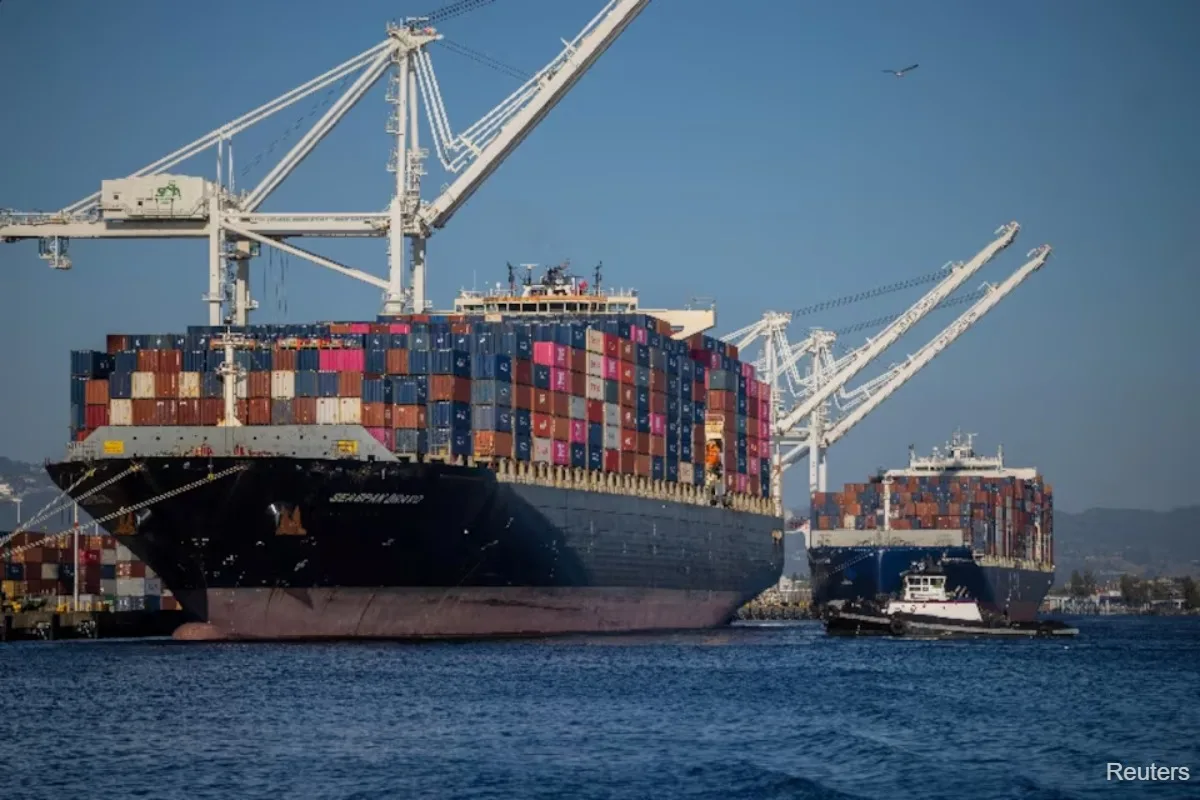
The European Union struck a provisional agreement on May 20, 2026, to remove import duties on US industrial goods. The deal is part of a broader trade framework reached in July 2025, which includes reciprocal tariff reductions and safeguards to protect sensitive sectors [1]. As part of the agreement, the US will impose tariffs of 15% on most EU goods [1].
Zeljana Zovko, a European People's Party trade negotiator, said, "I am proud to announce that Europe has avoided a damaging escalation of transatlantic trade tensions and protected European companies, investments and millions of jobs on both sides of the Atlantic" [1]. The European Parliament is expected to vote on final approval of the EU tariff legislation by mid-June 2026 [1].
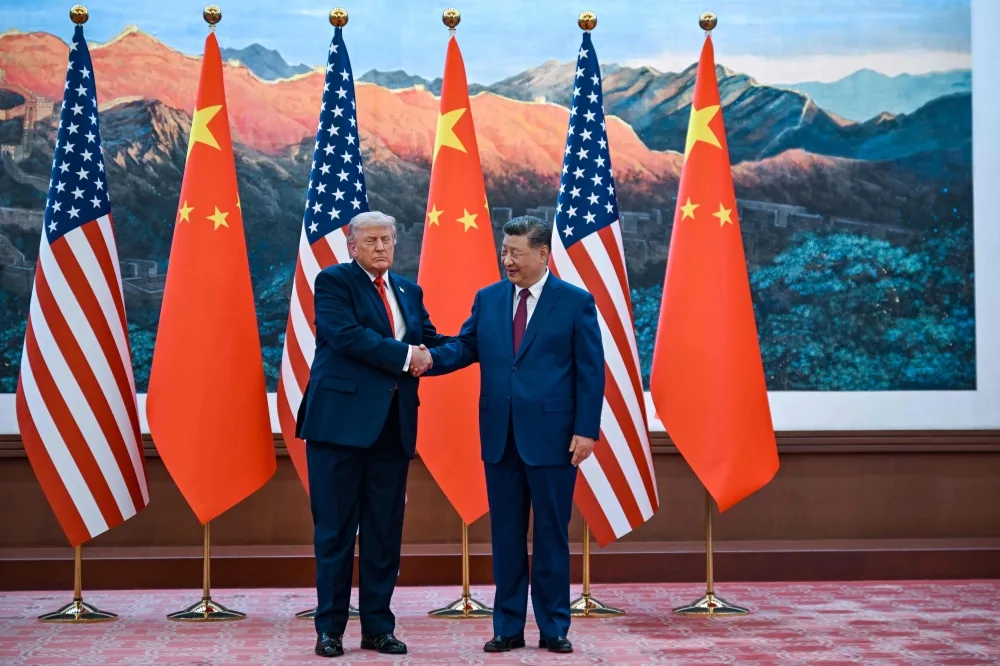
Separately, China and the US announced joint efforts on May 20, 2026, to reduce tariffs on at least US$30 billion worth of goods on each side. These negotiations followed a summit between Chinese leader Xi Jinping and former US President Donald Trump in mid-May 2026 [2]. The two countries established a US-China trade council tasked with discussing reciprocal tariff reductions on products of equivalent scale [2].
As part of the deal, China agreed to restore registrations for some US beef exporters and to purchase 200 aircraft from Boeing [2]. This marks a partial thaw in the long-standing trade tensions between the two economic powers [2].
The framework trade deal between the EU and US dates back to July 2025, when leaders agreed on tariff cuts and mechanisms to manage future trade disputes [1]. The May 20 provisional accord sets the stage for final legislative steps in Europe this month [1]. Meanwhile, US-China talks appear to be entering a more structured phase following their summit and council formation [2].