A fake TikTok account under the name "Sultan Ibrahim Ismail" was discovered spreading defamatory and insulting content about His Majesty Sultan Ibrahim, the King of Malaysia [1, 2, 3, 4]. The account used artificial intelligence technology to produce videos and manipulated images, including false claims that the King ate pork and superimposing his face onto animals [1, 2, 3, 4, 5]. The content is considered highly sensitive and offensive because Sultan Ibrahim is both a Malay Ruler and the Muslim Head of State [1, 2, 6].
The Johor Royal Press Office condemned the fake account, describing the allegations as "a serious insult made with malicious intent" and noted the sensitivity given the King's status and religion [6]. The Johor state government also spoke out and urged the public to refrain from sharing the false content while reporting such posts to authorities [7, 8]. Johor Menteri Besar Datuk Onn Hafiz Ghazi said, "The Johor government will never compromise with any party that insults His Majesty Sultan Ibrahim, King of Malaysia. Freedom of speech cannot be used as an excuse to spread slander, hatred and insults against the royal institution" [7].
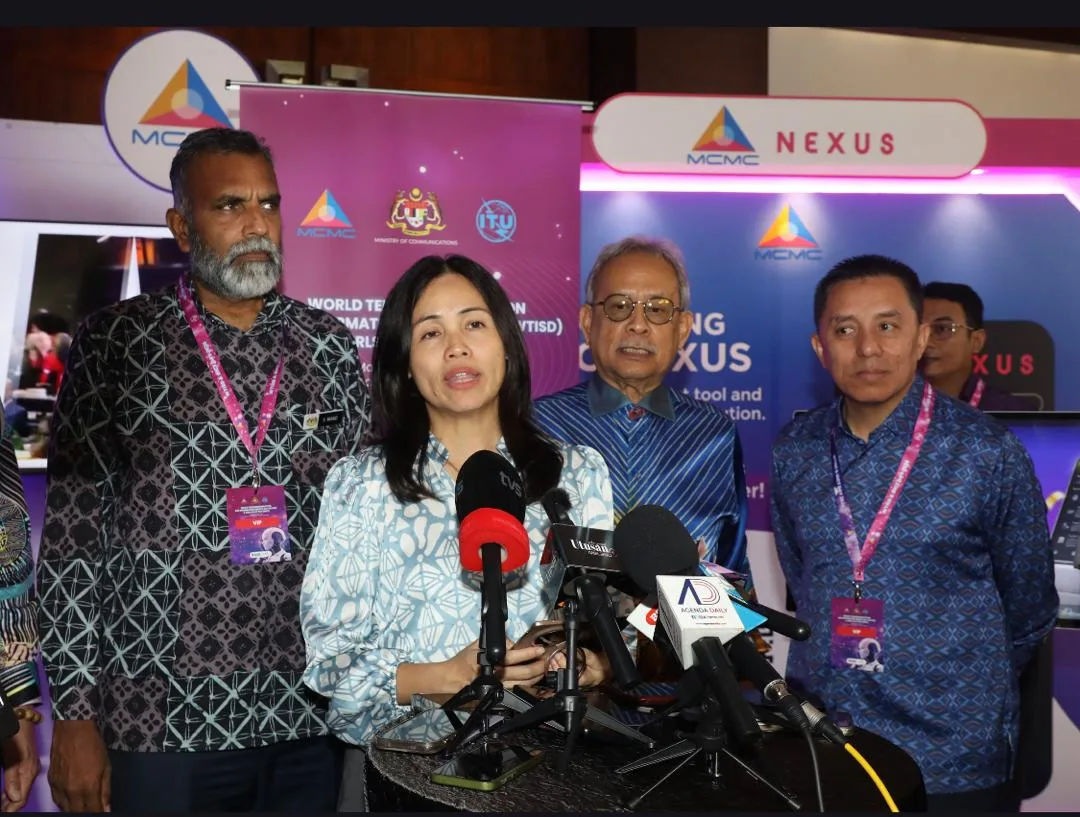
On May 21, 2026, the Malaysian Communications and Multimedia Commission (MCMC) issued a statutory demand to TikTok. The demand called for immediate remedial steps and an explanation for the platform's failure to promptly remove the offensive content [3, 4, 5]. MCMC cited violations relating to sensitive 3R issues of race, religion, and royalty, which risk public order, national harmony, and respect for constitutional institutions [3, 4, 5, 9]. It also required TikTok to strengthen content moderation and enforcement mechanisms to comply with Malaysian laws [3, 4, 5].
Police have formally opened an investigation under three legal provisions: the Sedition Act, Penal Code Section 504 on intentional insult, and the Communications and Multimedia Act Section 233 [10, 11]. Federal Criminal Investigation Department director M. Kumar said, "The CID will not compromise on matters that could threaten public safety and order" and confirmed further investigations by the Classified Criminal Investigation Unit [11]. Section 233 carries a maximum penalty of up to RM50,000 fine or one year imprisonment, or both, for offences related to improper online content [8].
The fake TikTok account was first exposed publicly on May 20 by the Johor Royal Press Office, which immediately called for action against those responsible [1, 2, 6]. On May 21, the Johor Menteri Besar urged MCMC and police to take firm and immediate actions against the perpetrators [7, 8].
Concerns over harmful online content in Malaysia have grown recently, with calls for social media platforms to act responsibly and swiftly in monitoring sensitive material [4, 5].
Authorities continue to monitor the case, with ongoing police investigations and regulatory scrutiny of TikTok's content moderation practices related to this incident [3, 10].