The National Film Development Corporation Malaysia (Finas) is investigating claims of cartel behavior and market dominance in the local film industry by summoning exhibitors, distributors, and producers for inquiries [1, 2, 3].
Finas CEO Datuk Azmir Saifuddin Mutalib said that although no formal complaints have been filed, the agency is actively gathering information. "Officially, Finas has not received any complaints, but that does not mean we are not paying attention and we are currently gathering information," he said [1].
The corporation is examining concerns that a single entity might operate simultaneously as a distributor, publisher, and cinema owner, which could limit competition. However, no company currently holds licenses for all three roles simultaneously. Finas is investigating if such cross-chain control occurs through subsidiaries or separate business entities [1, 3].
Finas has been notified by a local Tamil film producer about an abrupt screening of an Indian film that disrupted the planned schedule for local films. The agency is considering implementing a notification system requiring international films to give advance screening notices, similar to Singapore’s rule of at least one month’s prior notice [1, 3]. The CEO emphasized the importance of coordinating screening schedules to protect domestic films in Malay, Tamil, and Chinese languages from competing with foreign films targeting the same audiences: "协调排片时间对于保护包括马来语、淡米尔语和华语在内的所有本地语言电影至关重要,避免本地电影突然与目标受众相同的外国电影发生竞争。" [3]
Finas is convening meetings with distributors and producers to discuss bottlenecks hindering fair market access. Azmir stressed the need to prevent cartel formation: "If possible, we don't want any cartel. We want fair trade and opportunities for all industry players" [2].
The agency highlighted a lack of transparency about the release of international blockbusters, which often blindsides local producers and disrupts scheduling. For example, during the recent Chinese New Year period, about 15 films competed for cinema screens within two weeks, limiting visibility for local content [2].
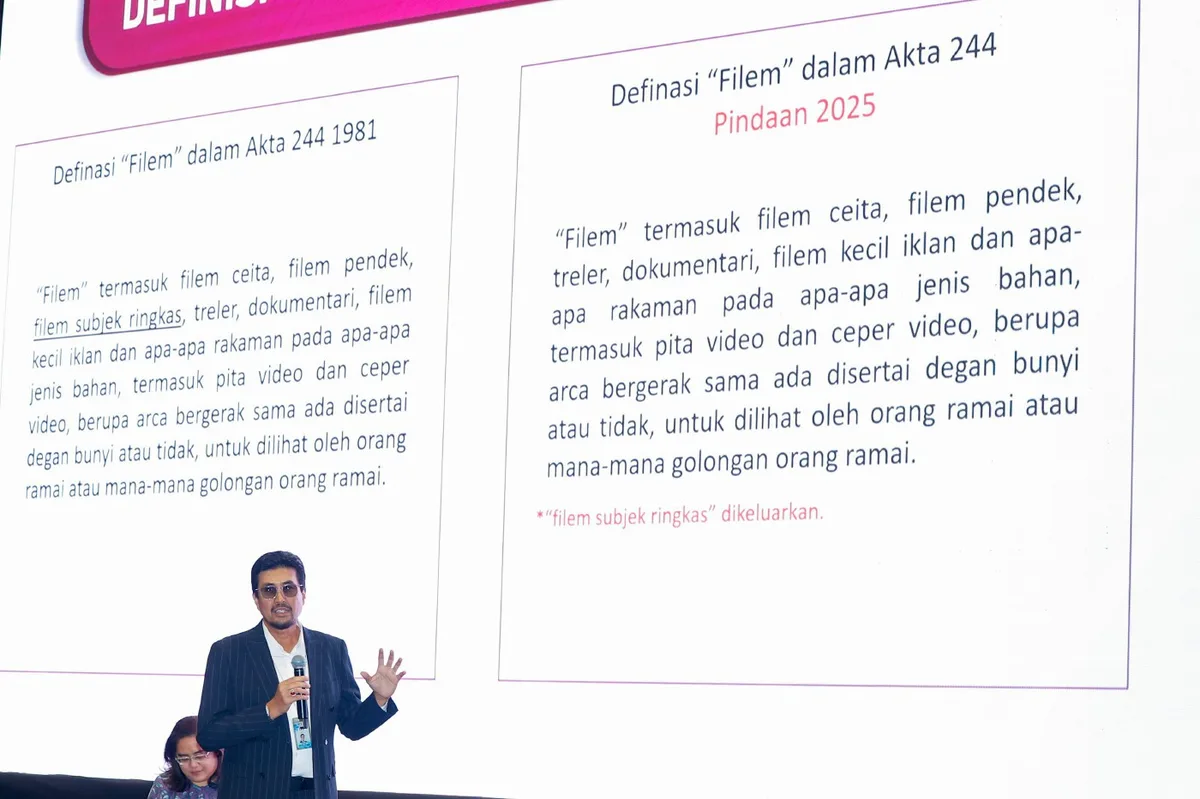
Finas is also working on a regulatory overhaul expected to take two years to finalize. The new framework will address emerging technologies such as AI-generated content and studio productions. Updated rules will require formal contracts and increase penalties, including fines up to RM250,000 for operating without valid licenses [2]. The last major revision to film industry regulations was in 2013, and Finas is currently tracking 52 ongoing initiatives related to the sector [2].
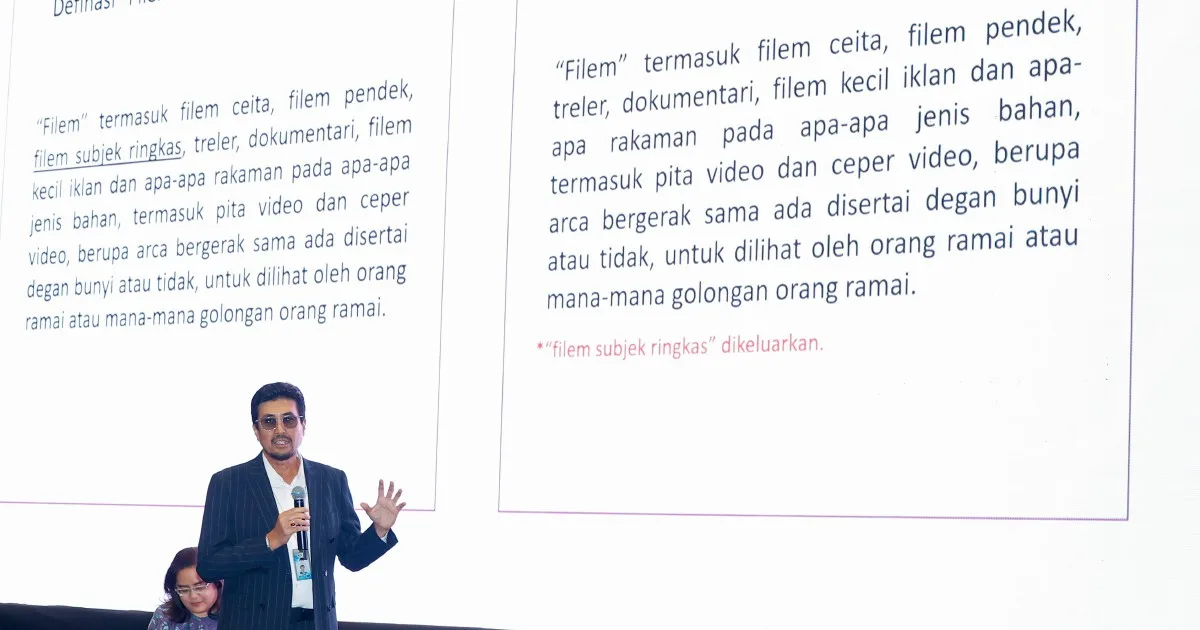
Azmir announced the investigation and regulatory updates today at the Engagement Session on National Film Policy 2026-2035 [1, 2, 3].