Rising US Treasury yields have reached multiyear highs, with 30-year yields surpassing 5%, levels unseen since 2007, driven by rising oil prices and inflation concerns linked to the Iran war [1, 2, 3]. The ripple effects are weighing heavily on emerging Asian economies, including Indonesia, the Philippines, and India, which face capital outflows, currency depreciation, and mounting pressure on central banks to tighten monetary policy [1, 3].
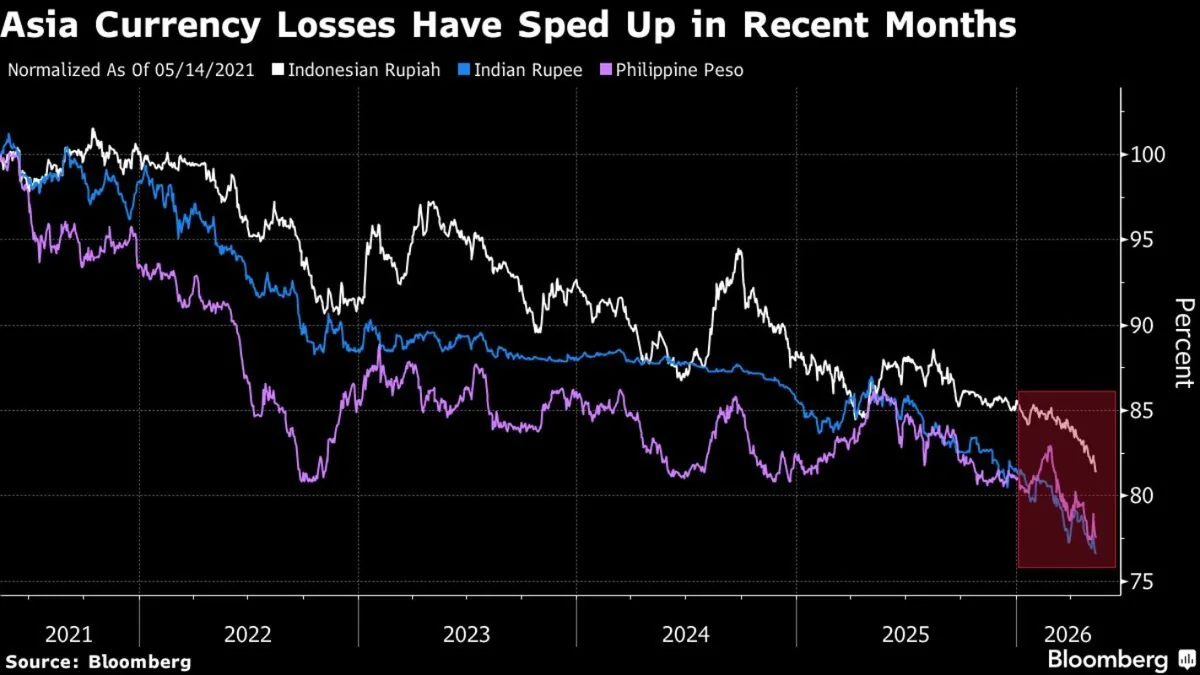
The Australian dollar has weakened 0.7% this week, trading near 71 US cents. This marks its worst performance among Group-of-10 currencies [4]. Meanwhile, Asian currencies such as the Philippine peso, Indian rupee, and Indonesian rupiah have been among the worst performers since the Iran conflict escalated [1, 3]. The Bloomberg index for Philippine bonds held by US investors has dropped 13% amid turmoil [1, 3].
Higher US Treasury yields and a stronger dollar increase debt servicing costs for Asian countries with significant dollar-denominated debt. This forces policymakers to make tough trade-offs between sustaining economic growth and defending their currencies [1, 3]. Frederic Neumann, chief Asia economist at HSBC, said, "Growth in much of the region is set to come under greater pressure, leaving central banks in a bind whether and how to respond to soaring price pressures. The going may get tougher still. We are not out of the woods yet." [1]
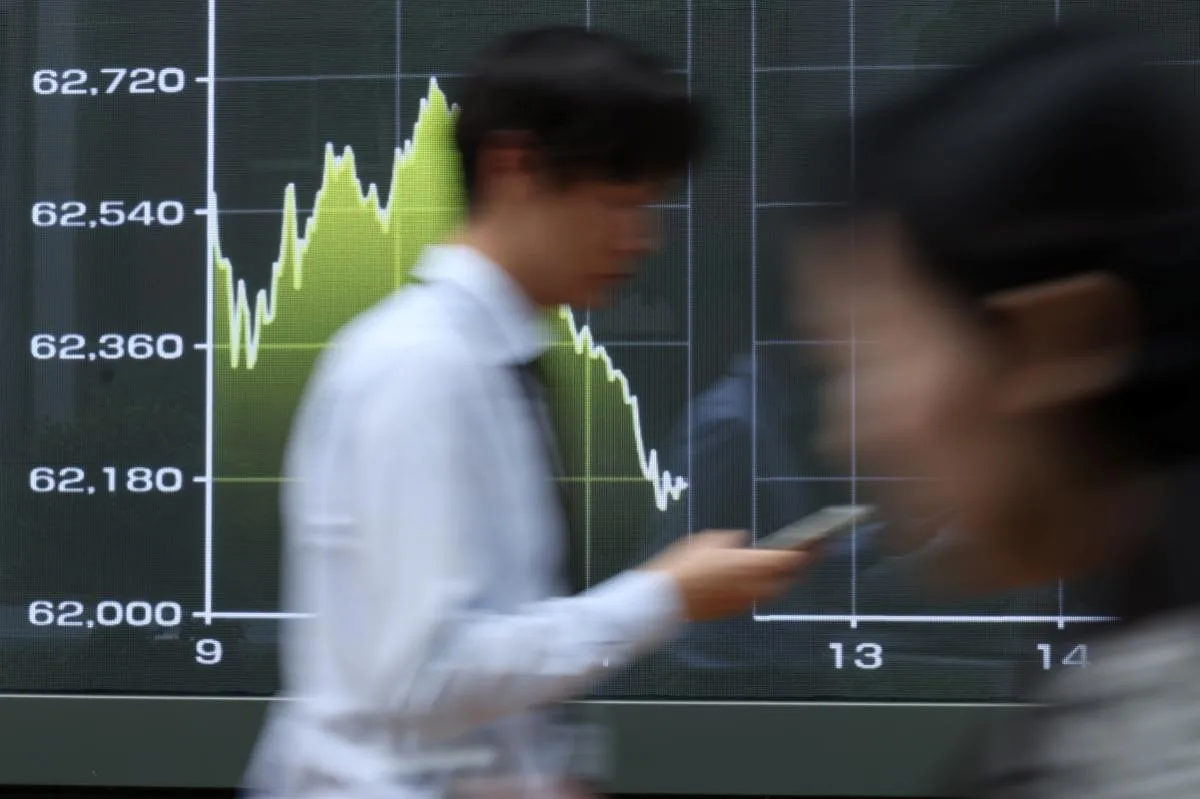
Asian stock markets are feeling the strain, with equities poised for a fourth straight day of losses as Treasury yields climb and inflation concerns rise [2]. Matt Maley of Miller Tabak warned, "The issue of rising bond yields is still something which could create problems for today’s expensive stock market." Tatiana Darie, Macro Strategist at Markets Live, added, "The jump in Treasury yields is squeezing the compensation for equity risk across major US benchmarks, further dimming the appeal of stocks." [2]
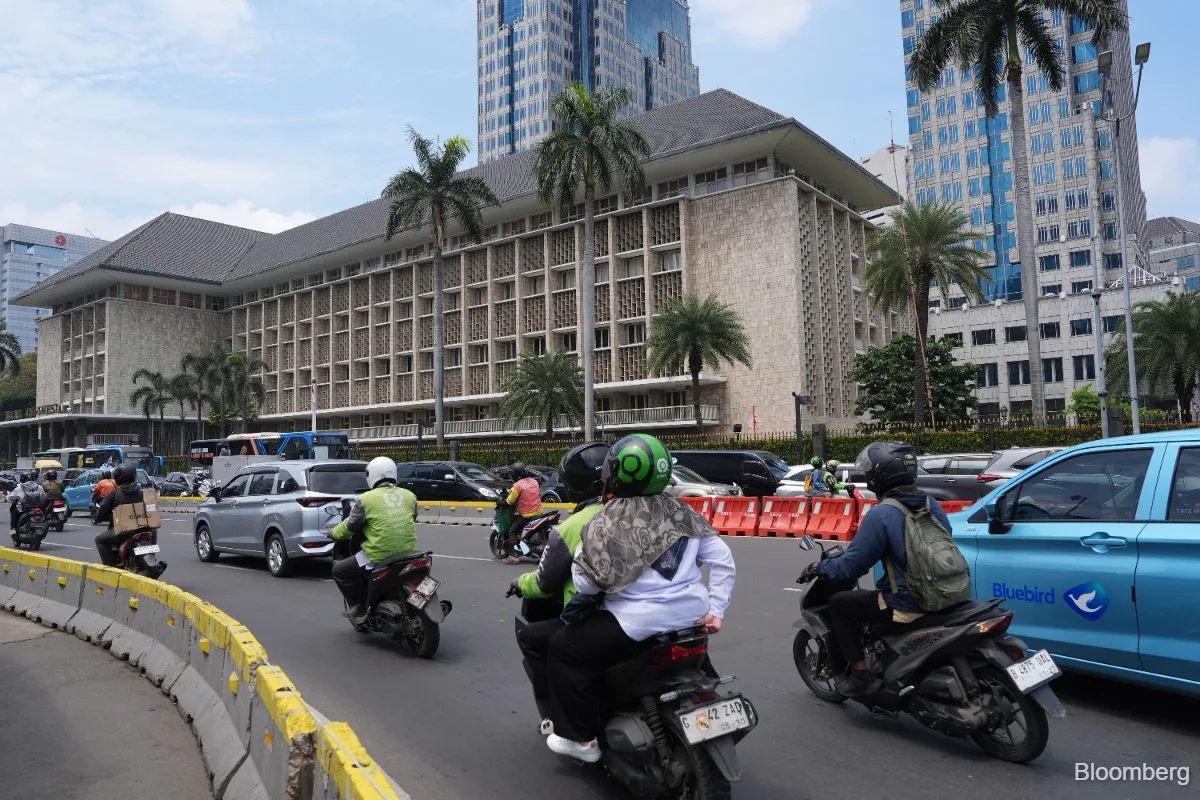
Bank Indonesia has intervened to support the rupiah, which has reached record lows. The central bank is widely expected to raise interest rates on May 21, 2026, to bolster the currency after these recent declines [1, 3]. Jason Tuvey, deputy chief emerging markets economist at Capital Economics, said that even with intervention, "Putting the currency on a more solid footing ultimately requires the authorities to shift away from the populist and interventionist policies adopted since President Prabowo came to power." [3]
Reports on May 19 detailed growing strains in Indonesia, the Philippines, and India due to capital outflows and currency weakness amid the Iran war and global bond selloff [1]. On May 20, Asian stock futures indicated continued losses as US Treasury yields hit multiyear highs [2]. The key next step is the expected rate hike by Bank Indonesia on May 21 to defend the rupiah [1, 3].