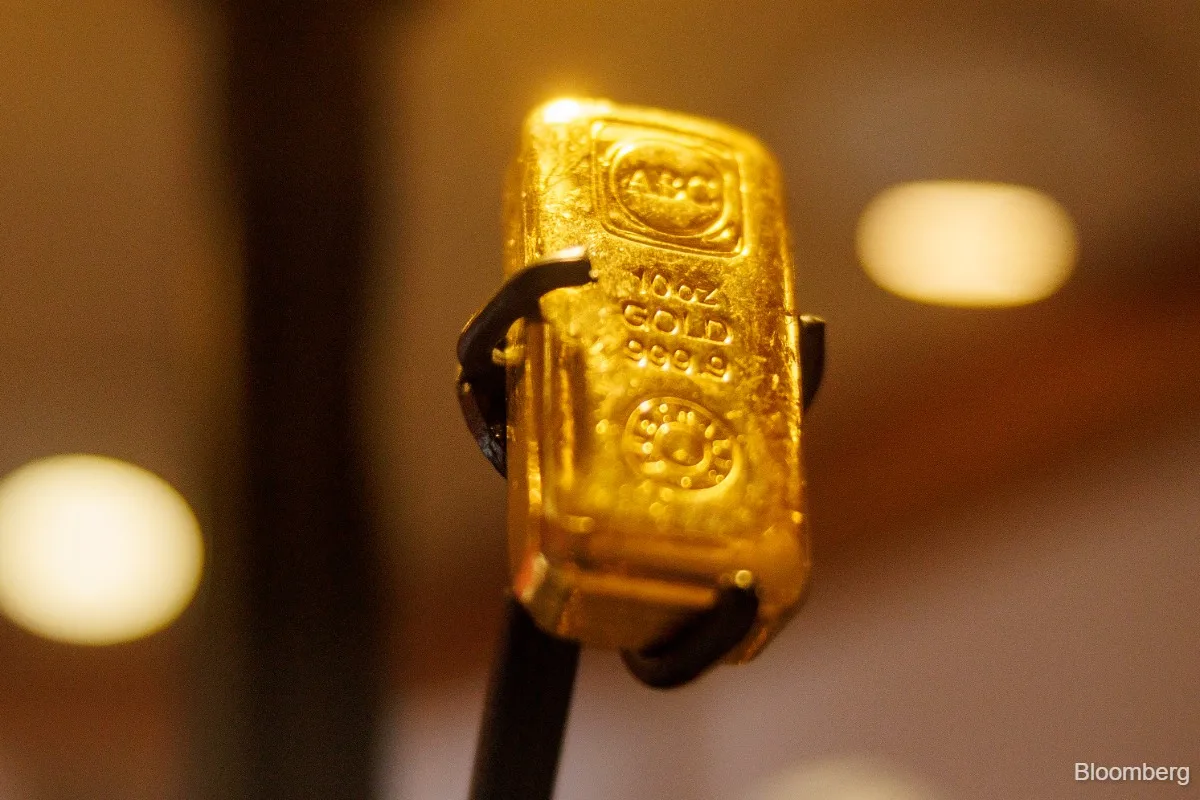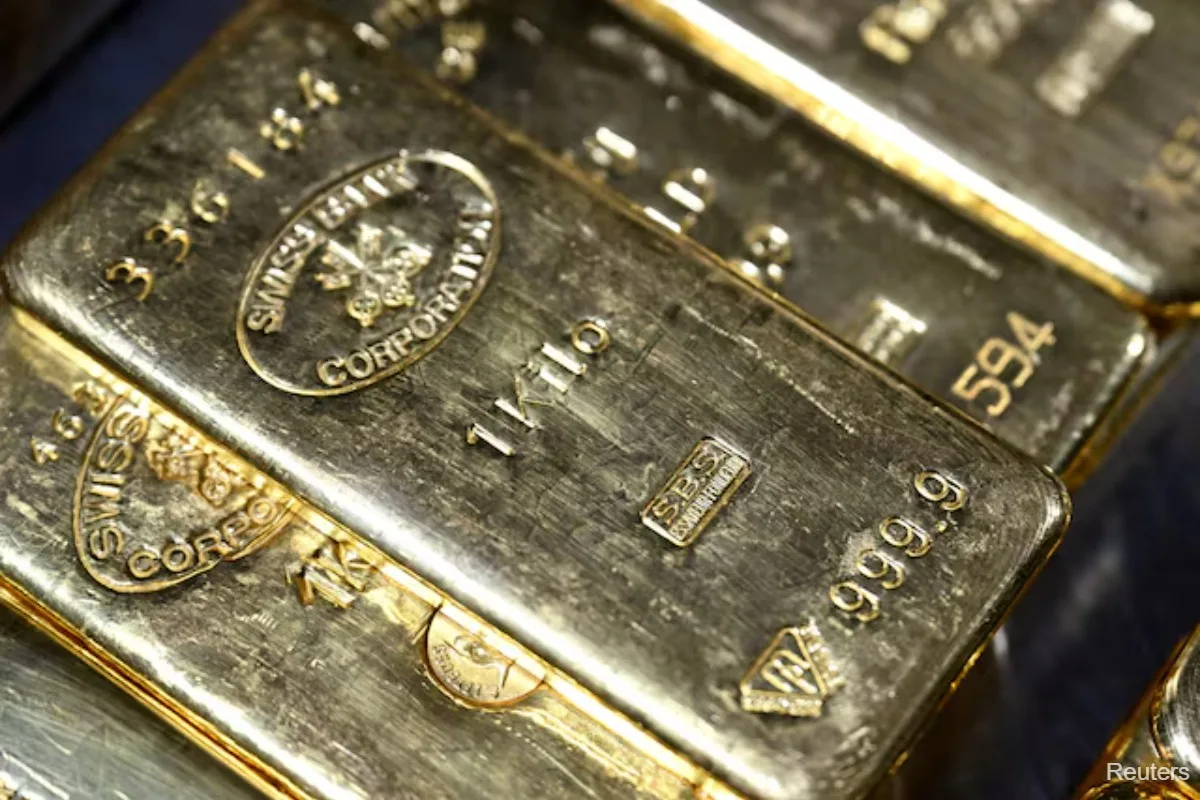
Gold prices extended losses on June 8 after a strong US jobs report raised expectations of interest rate hikes by the Federal Reserve, outweighing support from Middle East tensions that pushed oil prices higher [1, 2]. Spot gold fell 0.4% to about US$4,313.11 per ounce by 0302 GMT on June 8, while US gold futures for August delivery were down between 0.5% and 0.7% [1, 2].
The US economy posted a third consecutive month of strong job gains in May. Beth Hammack, president of the Cleveland Fed, said, "New jobs numbers show the labour market was roughly in balance and near full employment, while continued high inflation may require the Fed to raise rates soon to contain it" [1]. Markets priced in roughly a 70-72% chance of a Federal Reserve rate hike by December 2026 [1, 3]. Kelvin Wong from OANDA explained, "It is all based on the hawkishness that the market has started to place on the Fed futures" [1].
Meanwhile, renewed hostilities between Israel and Iran pushed oil prices up more than US$2-3 per barrel on June 8, increasing inflation concerns [1, 2]. The resulting rise in energy prices typically supports gold as an inflation hedge. Spot silver, platinum, and palladium prices also fluctuated with gold and oil movements on June 8-9 [1, 3, 2]. On June 9, gold prices rose slightly by 0.4% to US$4,345.71 per ounce after a fragile Israel-Iran truce softened oil prices [3]. Tim Waterer of KCM Trade noted, "The slight easing of tensions between Israel and Iran has tamed oil prices somewhat and has, by extension, helped gold" [3].
China increased its gold reserves for the 19th consecutive month in May, raising them to 74.96 million fine troy ounces [2]. However, gold demand in India remained subdued amid volatile overseas prices with buyers staying sidelined [2]. Gold speculators increased net long positions by 14,409 contracts to 111,341 in the week to June 2, indicating ongoing market interest despite price fluctuations [2].
Goldman Sachs, however, expects the Fed to keep interest rates unchanged through 2026 and delay cuts until 2027, differing from market expectations of a rate hike this year [3]. Oil price increases on June 8 range from more than US$2 per barrel (source s3) to over US$3 per barrel (source s1).
Investors now await further US economic data and Federal Reserve communications for clearer signals on interest rate policy in the coming months.