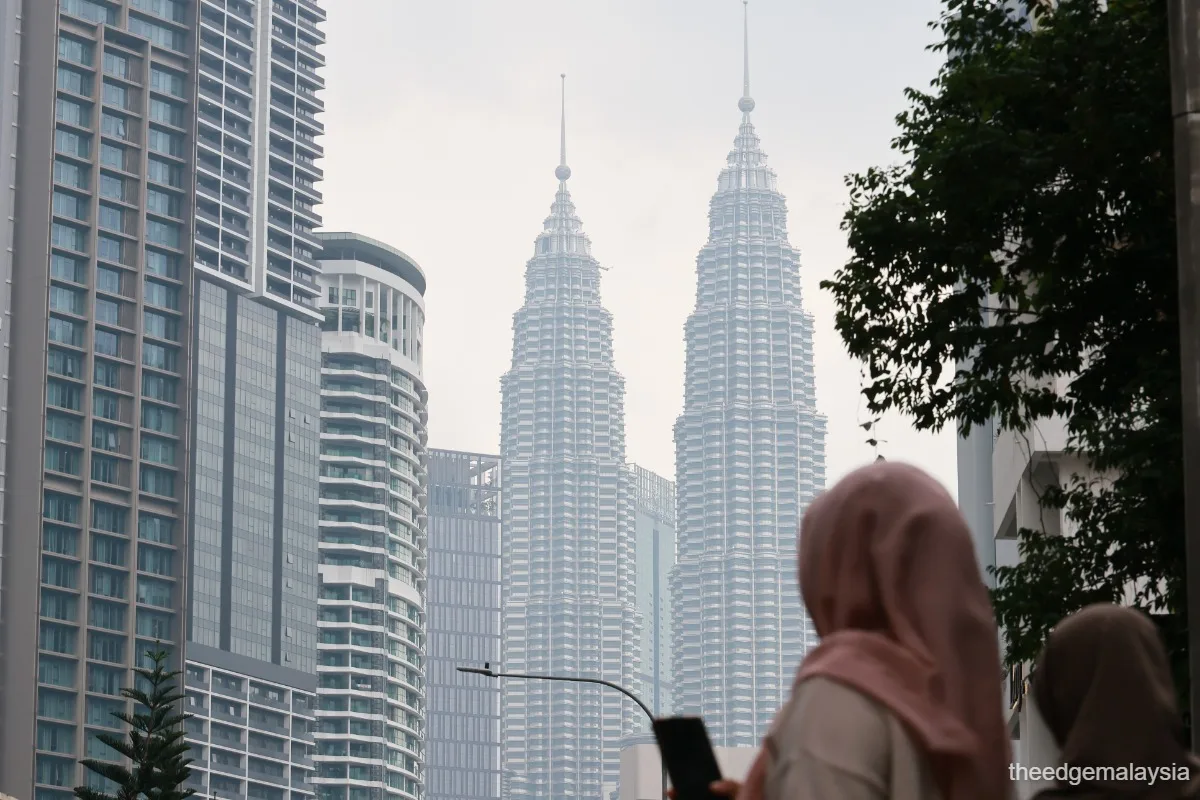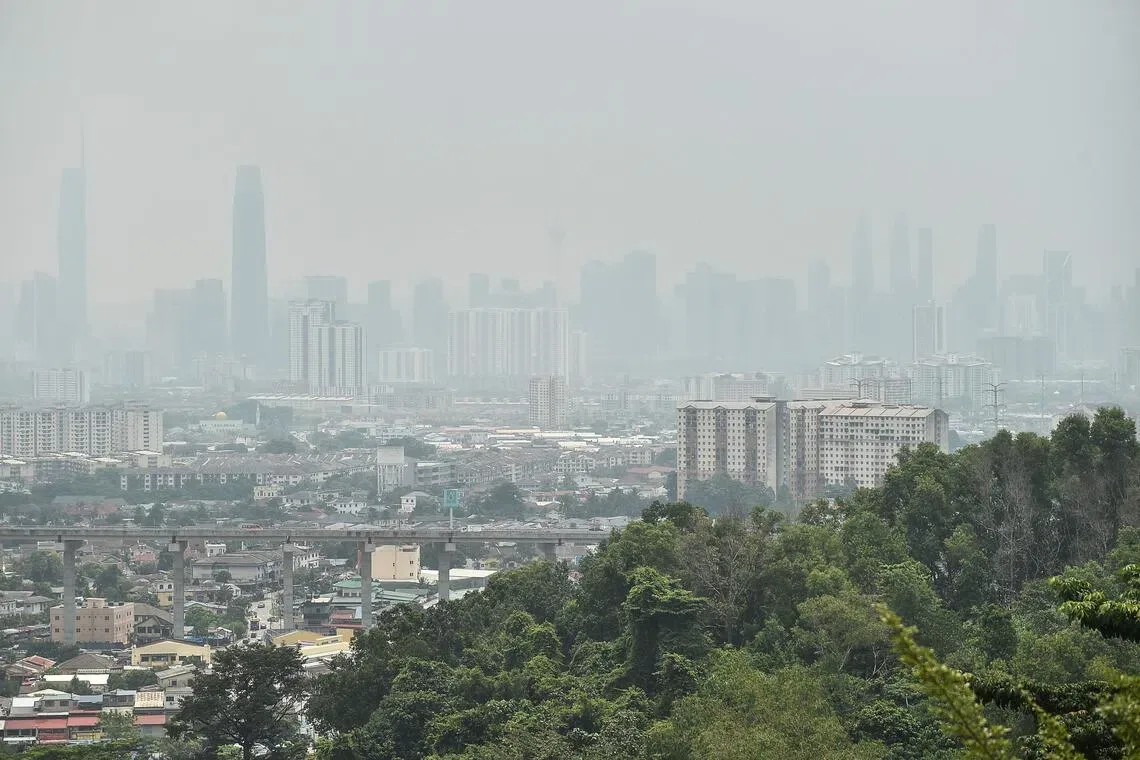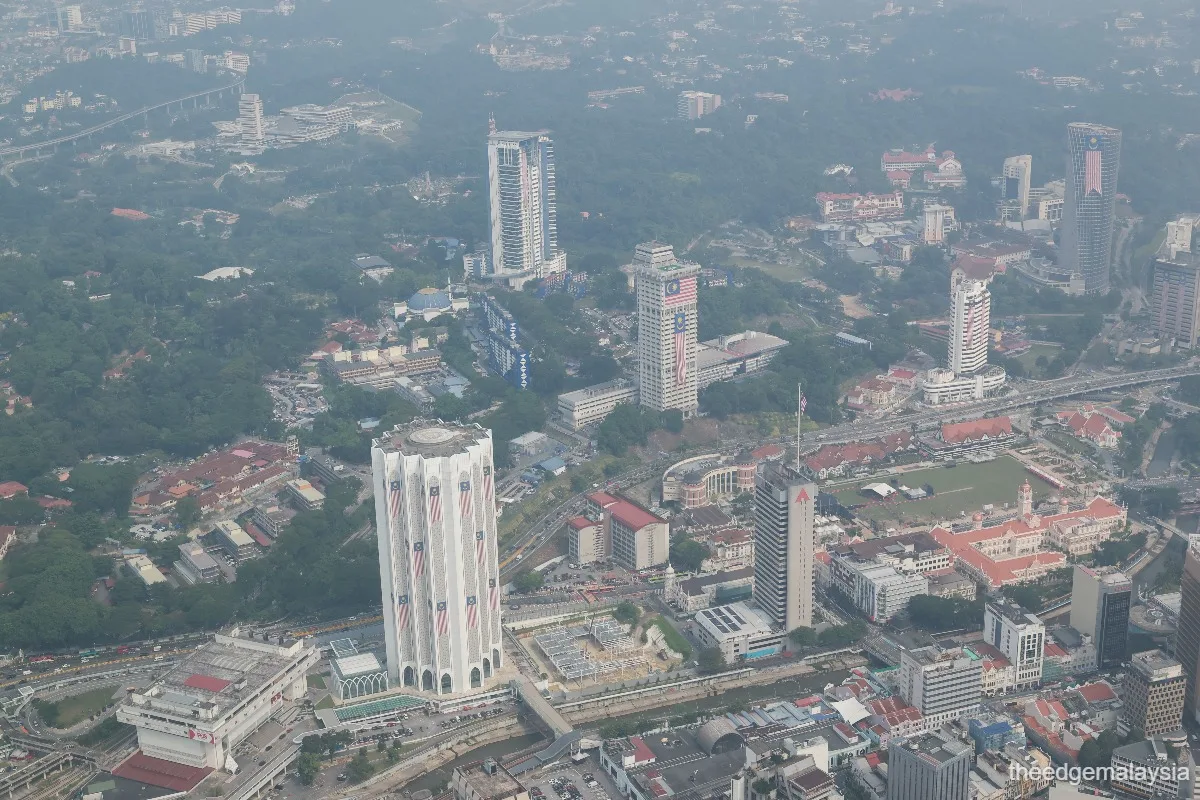
Malaysia is experiencing worsening haze conditions caused by southwest monsoon winds and persistent fire hotspots in southern Sumatra and western Kalimantan, officials said [1, 2, 3, 4]. Sarawak is expected to be the worst affected state, with many districts reaching Unhealthy and even Very Unhealthy haze levels on August 30 and 31. "The MyCMAQ haze concentration model forecast indicates that Sarawak has the potential to be the most affected area," said MetMalaysia director general Dr Mohd Hisham Mohd Anip [1].
Sabah is also facing hazy conditions from August 29 through August 31, mainly affecting its west coast and interior, while high haze concentrations may impact Johor, Melaka, Negeri Sembilan, Selangor, Kuala Lumpur, and Putrajaya until the end of the month [1, 5, 2, 3, 4]. Air quality in Sarawak has deteriorated significantly, with Air Pollutant Index (API) readings reaching 195, classified as Unhealthy [6]. The haze has also caused drought conditions in Sarawak, lowering river levels and reducing visibility, prompting warnings to river transport users to plan carefully and avoid night travel when possible, said Sarawak Rivers Board chairman Dr Safiee Ahmad [7].
MetMalaysia issued a special weather forecast for Malaysia's National Day on August 31, predicting thunderstorms and heavy rain in the morning for Selangor, Negeri Sembilan, Melaka, and Johor, followed by afternoon thunderstorms for Perak, Pahang, Terengganu, and Kelantan [5, 8, 9]. Rain is expected overnight in Pahang, Terengganu, Kelantan, and parts of Sabah, while Perlis, Kedah, and Penang will remain clear [5, 8, 9]. Thunderstorm and heavy rain warnings remain in effect in Kelantan, Perak, Terengganu, Pahang, Selangor, Johor, and Kuala Lumpur on August 29 until 7 p.m. [10, 11].
Indonesia is cooperating with Malaysia on firefighting and weather modification efforts to combat transboundary haze, including cloud seeding along border areas [6]. So far in 2026, more than 15,600 hotspots have been recorded in Kalimantan and Sumatra combined, with 12,212 in Kalimantan and 3,440 in Sumatra [12].
Experts expect clearer skies for Malaysia may only arrive in October when seasonal wind shifts reduce smoke blowing from hotspots. "Just like in 2019, the likelihood of clear skies is in October when the wind is expected to be no longer south or south-westerly," said Universiti Malaya meteorologist Azizan Abu Samah [12].
On August 30, Sarawak river transport users were advised to be cautious due to drought lowering river levels and haze reducing visibility. Dr Safiee Ahmad urged travelers to plan journeys carefully and avoid night travel if possible [7]. The haze and adverse weather are expected to persist through August 31, National Day, with widespread haze and rain affecting much of Malaysia [5, 8, 9].