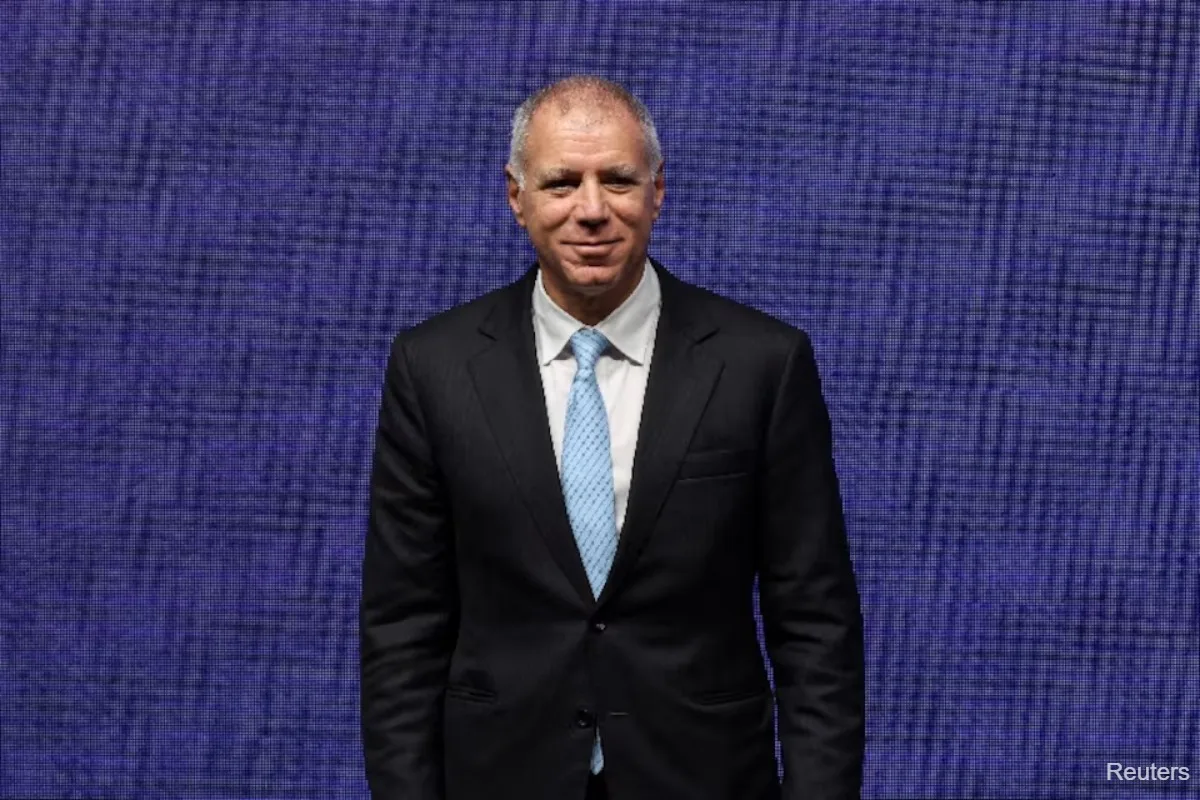
HSBC Chief Executive Georges Elhedery addressed investors in Hong Kong on May 20, warning that artificial intelligence will both destroy and create jobs within the financial industry. "We all know generative AI will destroy certain jobs and will create new jobs," Elhedery said, stressing the dual impact of AI on employment across the sector [1].
HSBC employs about 211,000 people worldwide. Elhedery emphasized the bank’s focus on equipping its workforce for this shift. "My initial mission is I need 200,000 colleagues with us on this journey. However many will be left at the end of the journey isn’t the problem. The problem is how can we make sure that those 200,000 colleagues have been given all the capabilities, the training, the tools to make themselves future ready," he said [2].
Elhedery urged staff not to resist AI-driven change, advising them to avoid being "disenfranchised, anxious, overwhelmed, and resisting the change" [3]. HSBC aims to retrain employees and provide tools to improve productivity in the evolving workplace [1, 4]. The bank recently appointed a chief AI officer to lead redesigns of business processes and partnerships utilizing AI technologies [4]. One tangible result has been speeding customer onboarding by cutting background check times by 50% [4].
The growing impact of AI on employment is not limited to HSBC. On May 18, Standard Chartered announced plans to cut more than 7,000 jobs over four years as it replaces lower-value human roles with technology. CEO Bill Winters said the firm would cut 15% of corporate function positions by 2030, with back-office roles most affected [1, 3, 2]. Winters reassured staff that changes would be managed with "thought and care" [3].
Morgan Stanley analysts report a broader trend of job losses tied to AI adoption across banking, technology, and professional services, with roughly 1 in 20 positions cut over the past year [3].
HSBC’s next steps include continuing extensive workforce training efforts to build new capabilities for its employees as the bank integrates AI into its core operations [2].