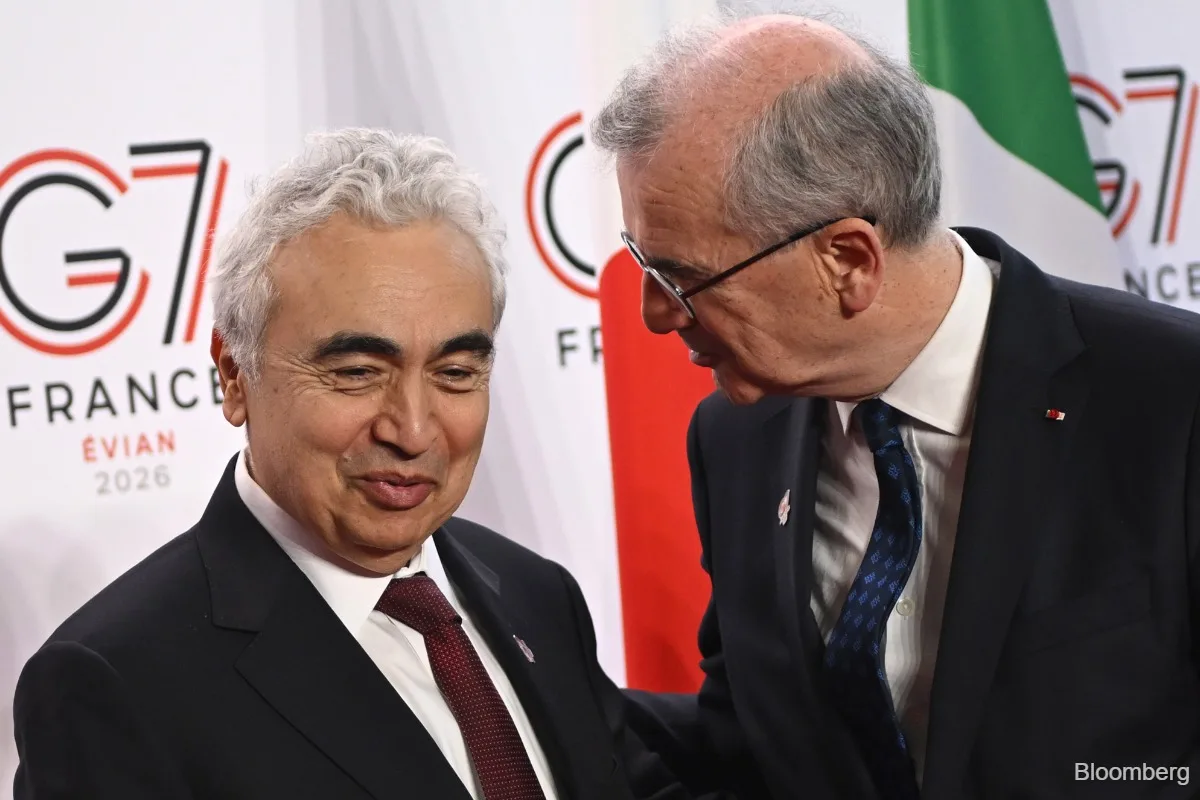
International Energy Agency Executive Director Fatih Birol warned on May 18 that commercial oil inventories are shrinking at an accelerated pace amid ongoing Middle East conflicts disrupting Gulf supply routes [1, 2, 3, 4, 5]. "I think it is depleting very fast. It will be several weeks, but we should be aware of the fact that it is declining rapidly," Birol said at a G7 finance ministers meeting in Paris [1]. He emphasized, "商业库存正在下滑……我认为目前它消耗得非常快。我们还有几周的时间,但我们必须意识到库存正在迅速减少的事实。这些储备并不是无穷无尽的" (commercial inventories are declining rapidly and reserves are not unlimited) [3].
Since late February 2026, US and Israeli military attacks on Iran have escalated regional tensions, leading Iran to effectively block tanker passage through the Strait of Hormuz, a critical chokepoint where about 20% of the world’s oil and liquefied natural gas flow daily [3, 5]. The blockade has disrupted supply from major Gulf producers including Saudi Arabia, Iraq, Kuwait, United Arab Emirates, and Iran itself [5].
In response, the IEA coordinated 32 member countries to release a total of 426 million barrels of emergency oil reserves. By mid-May 2026, about 164 million barrels had already been drawn from these stocks [2, 3, 4]. French Finance Minister Roland Lescure said there was "a strategic reserves release a couple of months ago and if need be we’ll do it again in the future" [1].
Despite these emergency releases, commercial stockpiles continue to fall sharply. The rapid depletion comes just as the northern hemisphere enters its peak travel and planting seasons, driving up demand for diesel and fertilizer alongside oil [1, 5]. Airlines have warned that continued supply disruptions over the coming weeks could cause shortages in aviation fuel [2, 3].
Recent drone attacks near the Barakah nuclear power plant in the UAE heightened regional instability but caused no casualties or abnormal radiation levels [5]. Meanwhile, Iran and the US remain deadlocked on sanctions and nuclear issues, with Iran continuing selective tanker passage but refusing to lift sanctions without verifiable guarantees [5].
Rising oil prices linked to the conflict have contributed to inflation fears worldwide. US producer and consumer prices rose faster than expected in April 2026, challenging market expectations for Federal Reserve interest rate hikes [5]. Brent crude prices have climbed about 50% since the conflict began early this year [5].
Fatih Birol’s warning at the G7 meeting on May 18 marks the latest signal of tightening global oil markets as geopolitical tensions limit supply and emergency reserves run down rapidly. The IEA and its members continue monitoring the situation closely as the northern hemisphere moves through critical economic cycles [1, 2, 3, 4, 5].