Indonesia's Parliament unanimously passed a law on July 21, 2026, enabling the creation of international financial centres to attract foreign investment and boost economic growth [1, 2, 3, 4]. The bill offers tax incentives, including a 50-year corporate income tax holiday for qualifying investors, exemptions on income generated abroad, VAT exemptions, and special inheritance tax rules [5, 1].
A dedicated government body and supervisory board will be formed to oversee the financial centres, reporting directly to the president and parliament [5, 1, 3]. The law also mandates the creation of an arbitration body and a special court to handle cases within these centres [5, 1, 2, 3, 4].
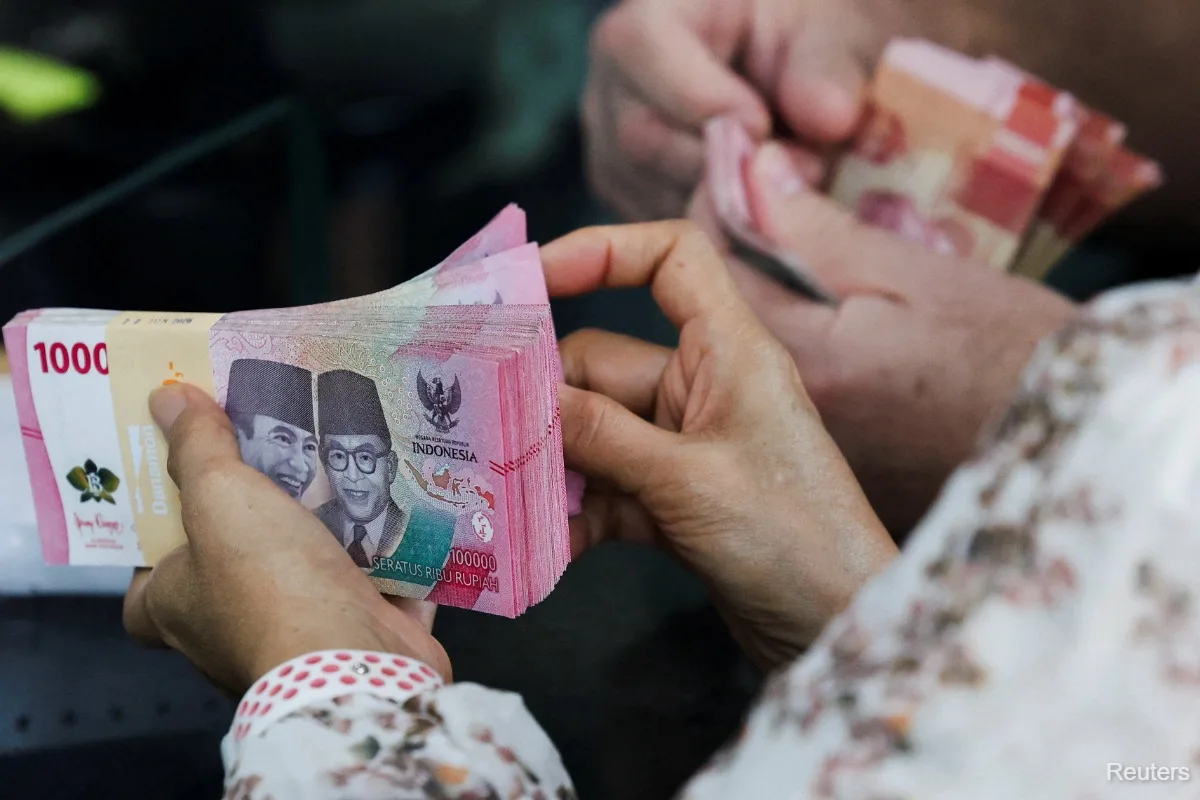
Bali has been identified as a potential site for the first international financial centre [5, 1, 2, 3, 4]. The government estimates these centres could attract investments ranging from 300 trillion to 500 trillion rupiah (approximately US$16.7 billion to US$27.9 billion) [5, 1]. Finance Minister Purbaya Yudhi Sadewa said the centres would attract "foreign capital flows and a sustainable portfolio investment as a long-term source of financing to expand the national economic pie so that Indonesia’s economy can grow faster" [3].
Mohamad Hekal, deputy head of Parliament's financial commission, noted an estimated US$3.2 trillion of wealth held in family offices worldwide, with about 65% seeking new locations. He said the centres aim to capture this capital [1]. Indonesia’s economy expanded 5.6% year-on-year in the first quarter of 2026 as it seeks to reach an 8% growth target by 2029 [2, 3, 4].
Parliament began scrutinizing the bill on July 2 and agreed on key provisions by July 20 before the unanimous passage the next day [5, 1]. The full text of the new law and detailed bill provisions have not yet been publicly released [1, 2, 3, 4].