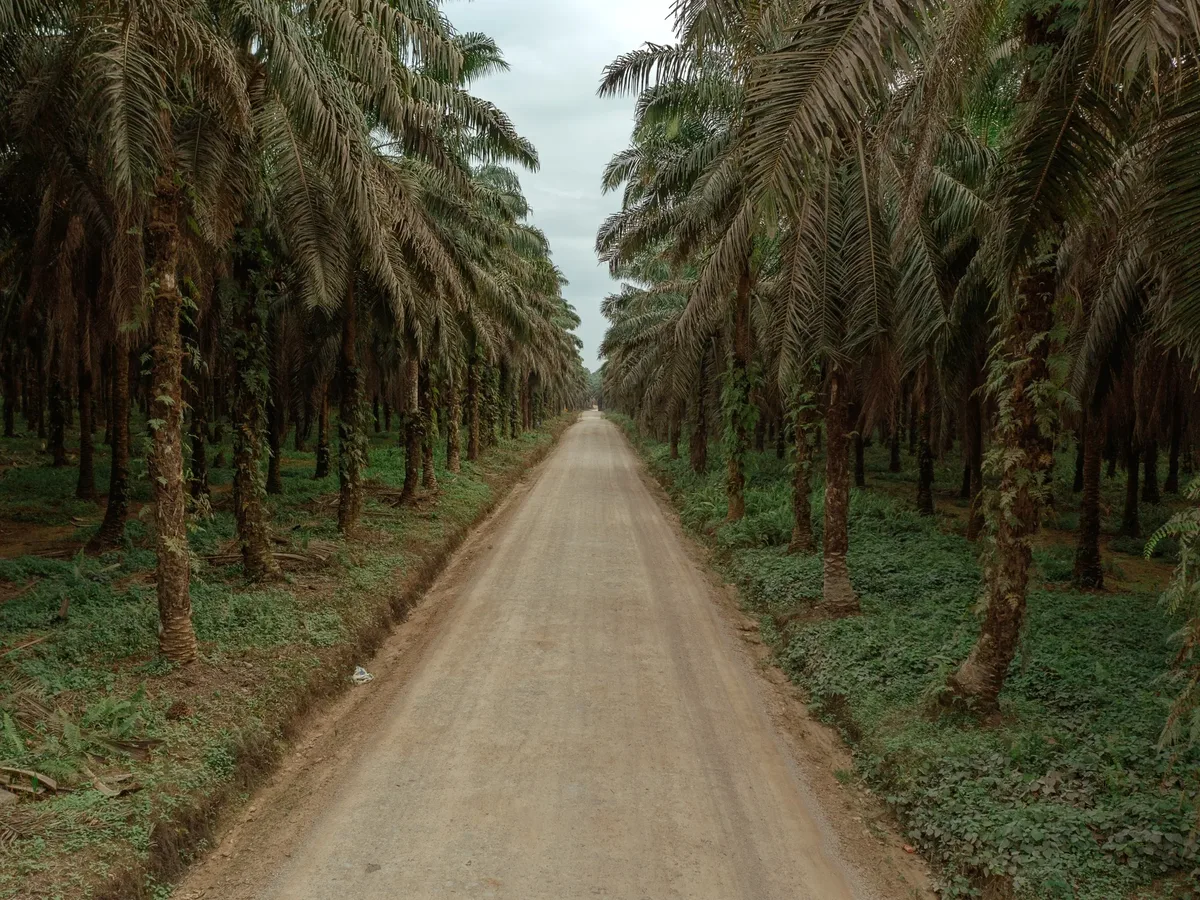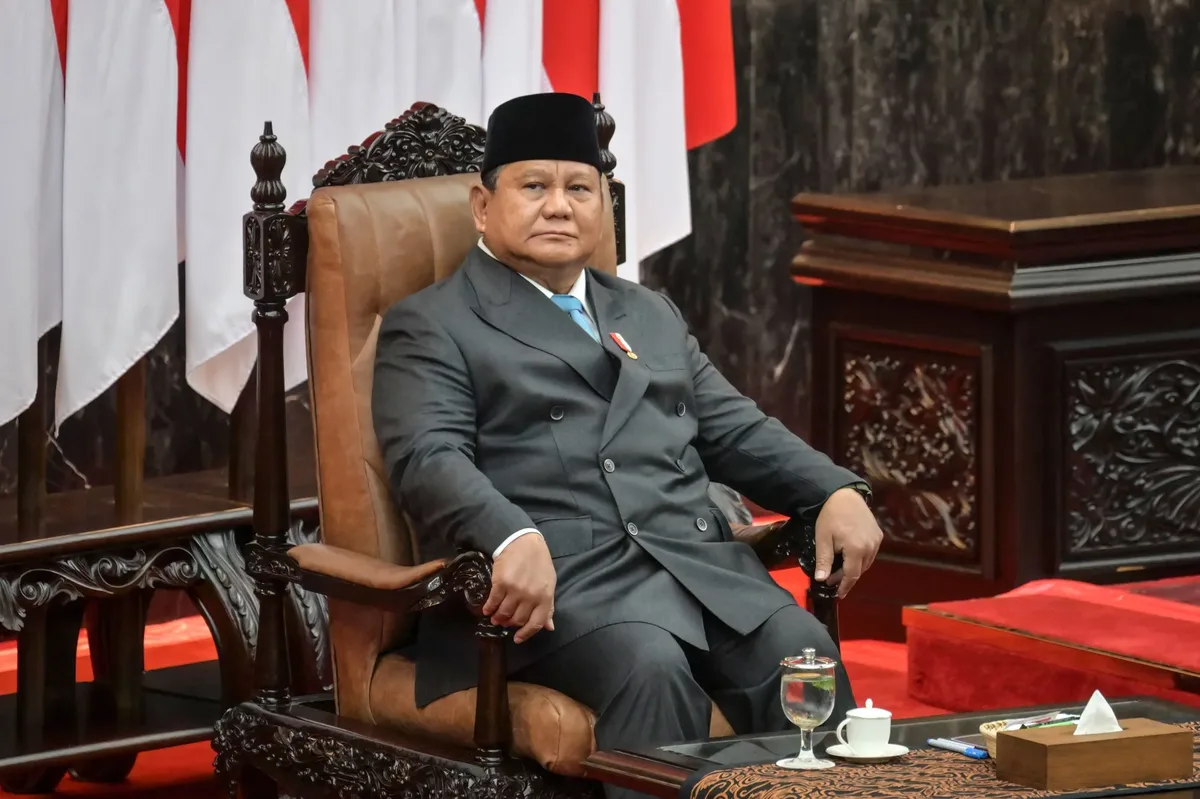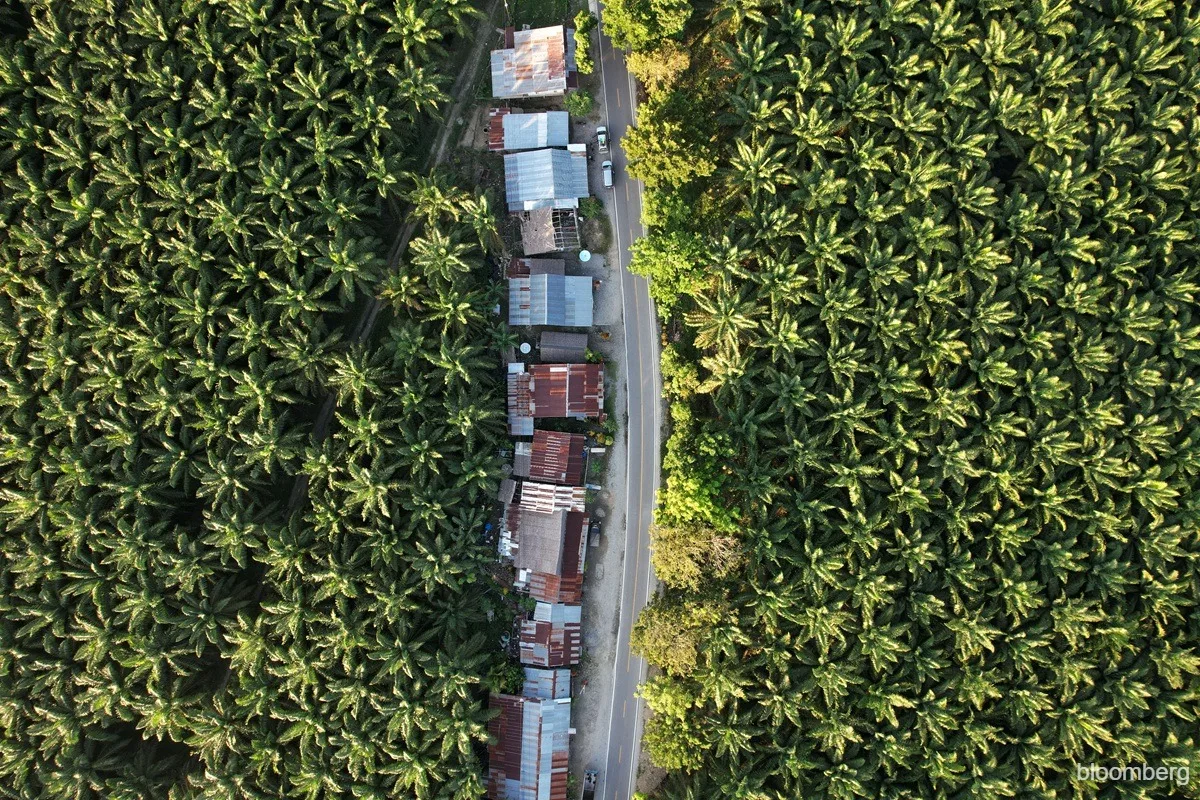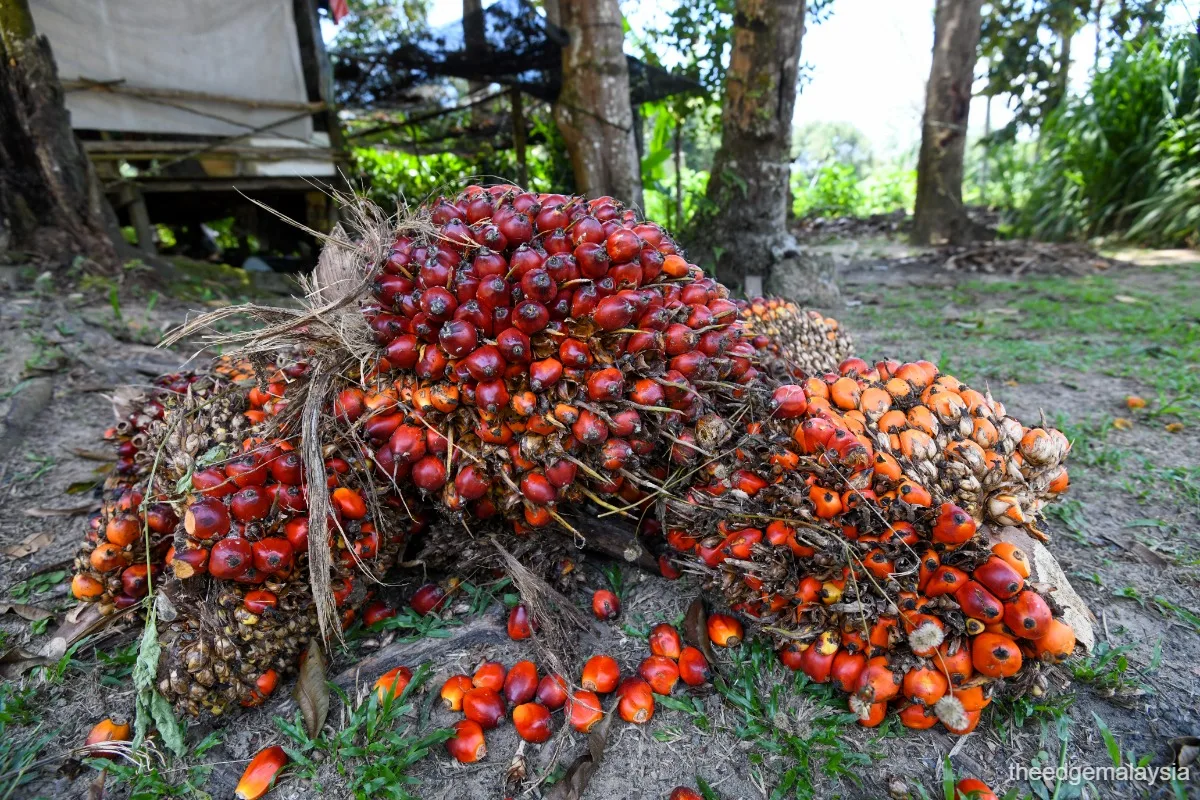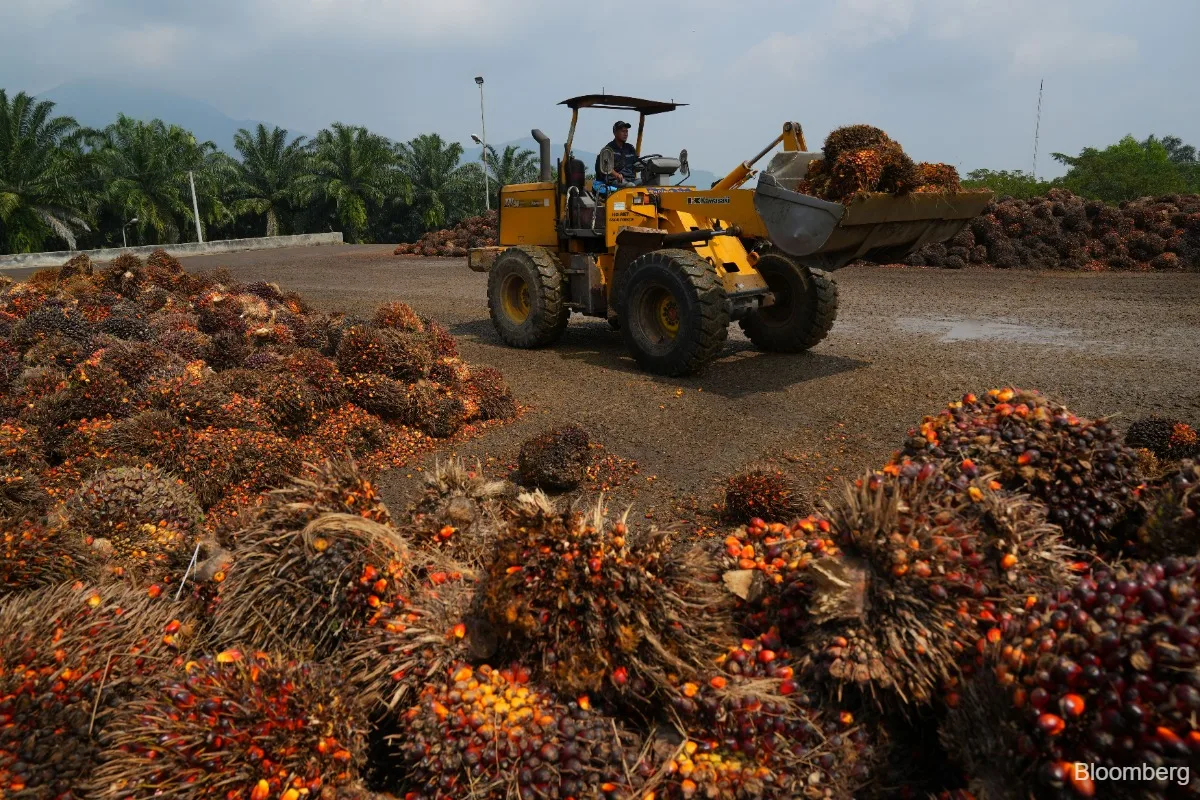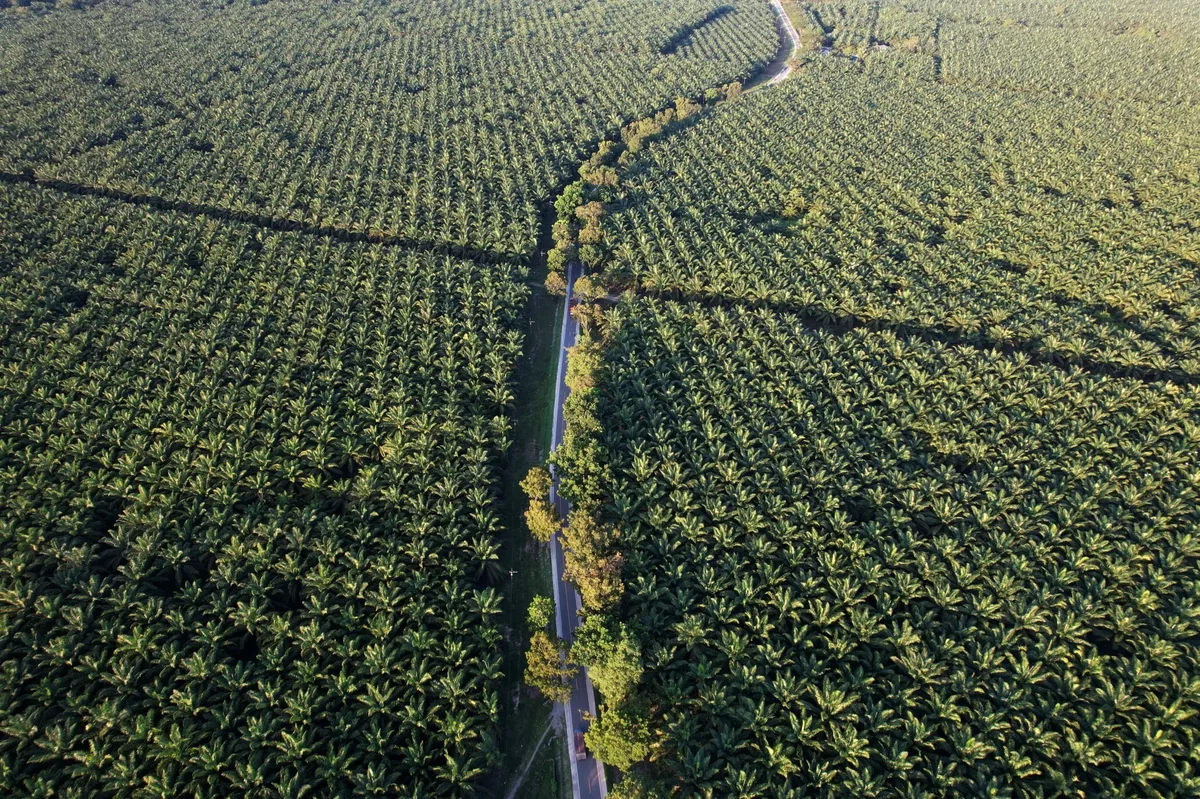
Indonesia will create a state-backed agency to oversee exports of key commodities including palm oil, coal, and ferro-alloys, President Prabowo Subianto confirmed on May 20, 2026 [1, 2, 3]. The agency will be supervised by Danantara, Indonesia’s sovereign wealth fund, which reports directly to Prabowo [1, 4, 5]. He said all sales of these commodities will be routed through a state-owned enterprise designated as the sole exporter to tighten control over export flows [2, 3].
Indonesia is the world’s largest exporter of palm oil and thermal coal, with combined commodity exports valued at over $65 billion last year [6, 4]. The government aims to address long-standing under-invoicing and tax evasion that have cost it an estimated $908 billion in lost revenues over 34 years, according to Prabowo [4, 3]. In a fiery parliamentary speech on May 20, he said, "Today the Indonesian government that I lead will issue a regulation on management of commodity exports," adding the resources "must be enjoyed by all Indonesians" [3].
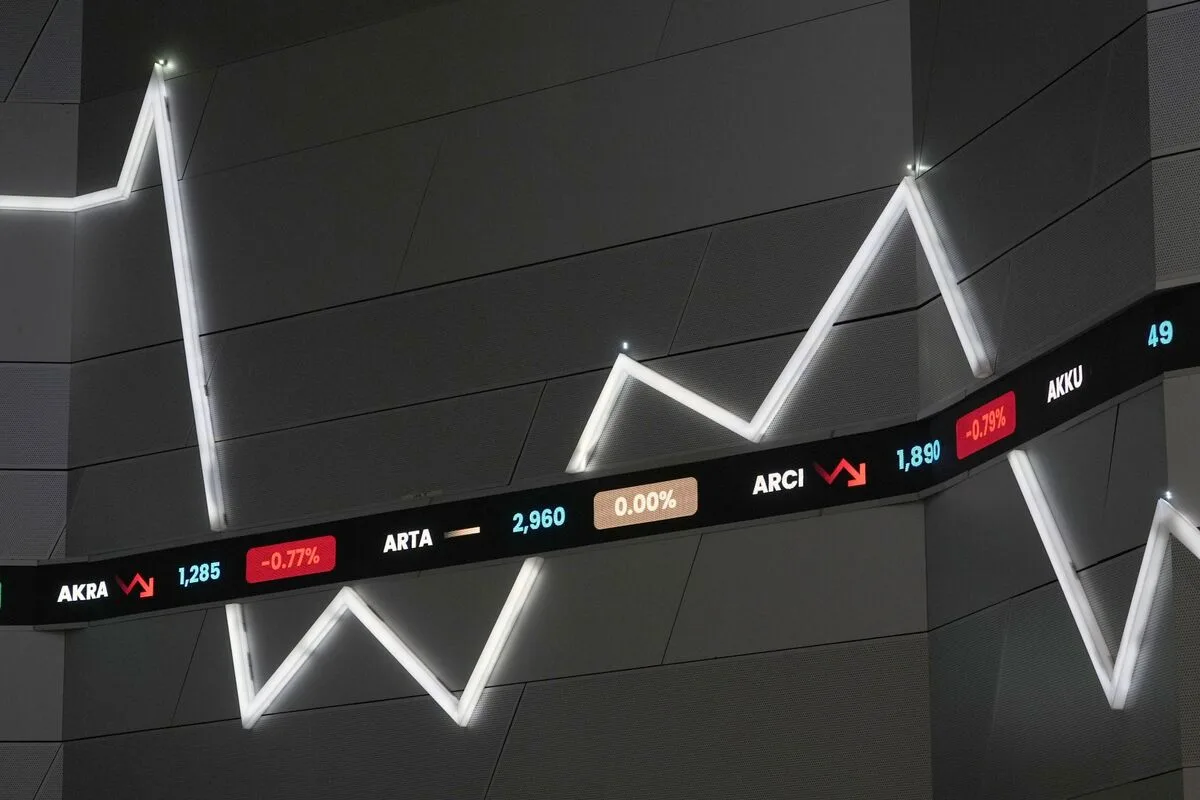
Indonesian markets reacted sharply to the announcement and prior rumors of the new export agency. The Jakarta Composite Index dropped around 3.5% on May 19 and fell further on May 20 by up to 2.4%, with palm oil and coal stocks hit hardest [7, 4, 8]. Shares of palm oil producers First Resources, Golden Agri-Resources, and London Sumatra fell as much as 9.3% on May 20 [8]. The rupiah currency also slid to a record low against the US dollar amid investor uncertainty and government export controls [7, 4]. Mohit Mirpuri, partner at SGMC Capital, said, "The market is reacting negatively because investors are worried this could add another layer of state control and policy uncertainty for commodity exporters," but noted the government’s push to "defend the rupiah and keep export proceeds onshore." [7]
The exact operational details, regulatory framework, and scope of the new export agency remain to be finalized as of May 20 [4, 5, 9]. This plan is among Prabowo’s boldest moves to increase state revenue in support of flagship social programs such as universal free school meals [4, 5, 8]. The government has already implemented stricter limits on foreign exchange transactions and intervened through the central bank to stabilize the rupiah [4, 5].
China, a major importer of Indonesian coal, saw Chinese coal producers’ stocks rise while Indonesian coal shares declined, reflecting shifts in global supply market perceptions [8].
The government’s next step will be unveiling detailed regulations and the full design of the state export agency in the coming weeks to implement the new centralized export system [4, 5, 9].