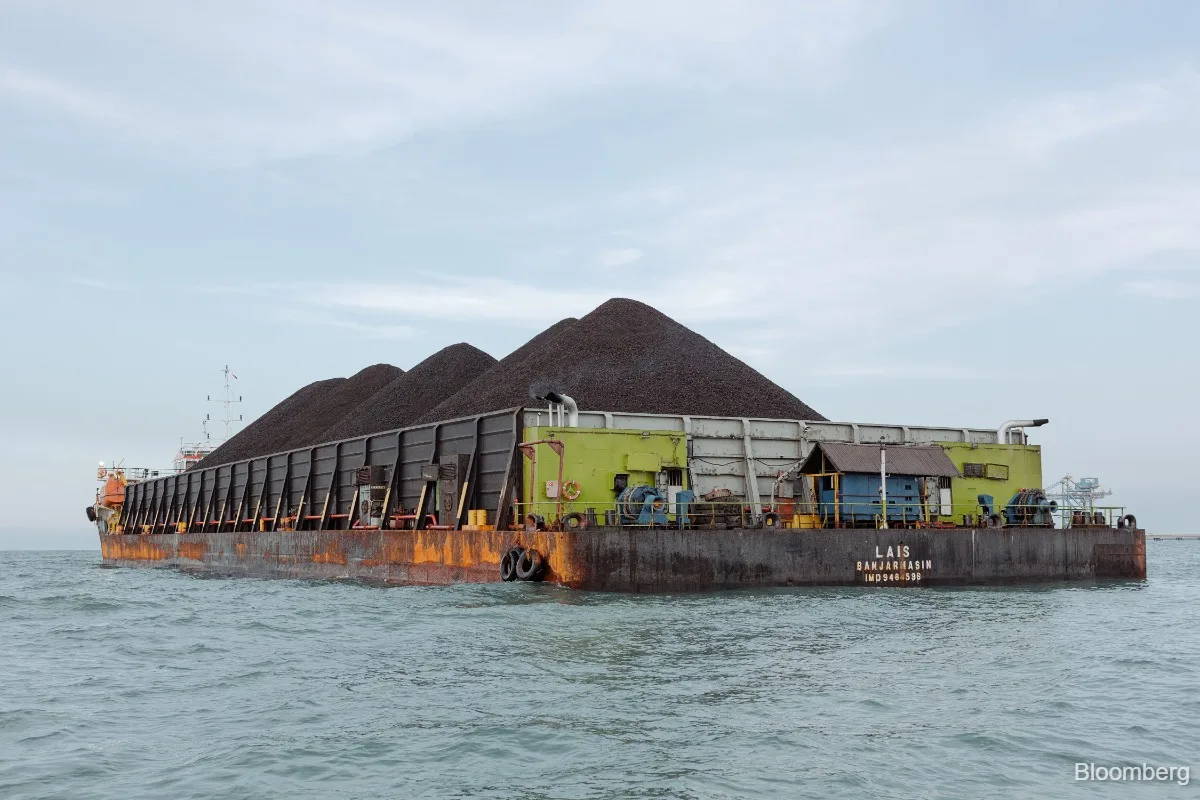
Indonesia will take government control of its major commodity exports, beginning with coal and palm oil, the administration announced in late May 2026 [1]. President Prabowo Subianto, a former general who assumed office in 2024, is leading the effort to centralize export management under a new entity, Danantara Sumberdaya Indonesia, operating within the sovereign wealth fund Danantara [1, 2].
Officials said the policy aims to save billions of dollars that Indonesia estimates are lost during transit through fees and inefficiencies among dozens of independent traders, agents, producers, and multinational firms involved in the current export system [1, 2]. The government also intends increased transparency and tighter controls to curb tax evasion in commodity exports [1].
The export ecosystem currently involves hundreds of complex financial and logistical networks operated by private actors, complicating efforts to quickly shift control to the government [1]. Traders, producers, and some government officials have expressed confusion about how the steep transition will be managed on such a short timescale [1].
Kevin O’Rourke, a political analyst, said, "It’s going to be a real uphill battle. There is a whole ecosystem of human relations. It’s not something that can be subjected to this type of disruptive action on such a short time scale" [1].
The policy marks a radical shift in economic management, drawing comparisons to Indonesia’s authoritarian past as the government moves to consolidate control over key exports [1, 2]. Prabowo’s rise to power in 2024 has been accompanied by efforts to centralize Indonesia’s economic sectors and raw material assets [1, 2].
Indonesia officially announced the export control plan on May 23, 2026, with detailed reporting following from outlets including the Japan Times on May 24 [1, 2]. The government’s next steps will focus on implementing the controls and overcoming infrastructure and relationship challenges inherent in replicating decades of trade under state management.