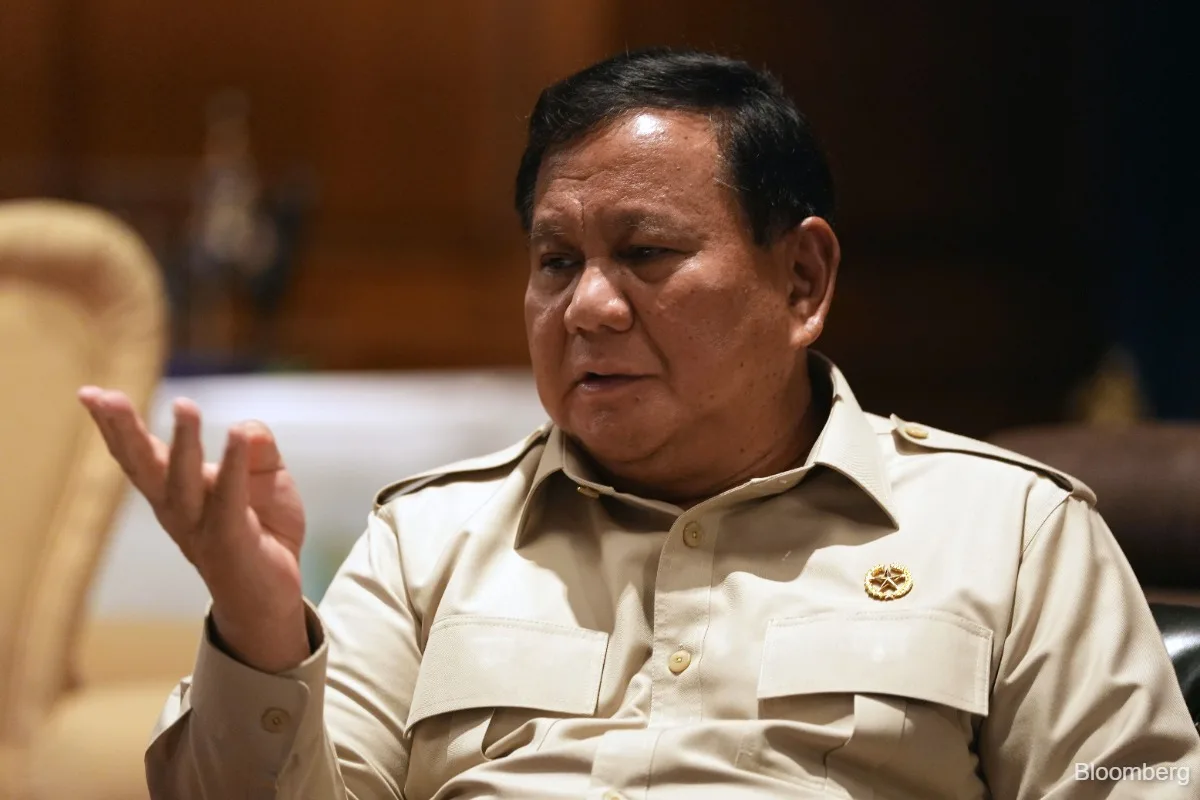
Indonesia has identified 1,074 state-owned enterprises (SOEs) following the creation of the Danantara sovereign wealth fund in 2025 to manage state assets [1, 2, 3, 4, 5]. President Prabowo Subianto revealed on August 14, 2026, that more than 750 of these SOEs will be closed by the end of this year, leaving no more than 300 operational companies [1, 2, 3, 4, 5].
So far, 290 SOEs have been shut as part of this nationwide restructuring effort, described as potentially the largest corporate restructuring globally [1, 2, 3, 4, 5]. Prabowo said, "There are far too many unproductive state-owned enterprises, always reporting losses while claiming profits — those profits are just made up" [1]. He also stated, "I had thought there were 300 or 400 state-owned enterprises, but it turns out there are 1,074. And these state-owned enterprises sometimes operate as they please, with no sense of responsibility to the nation, to the state" [2].
The restructuring has already saved about 50 trillion rupiah (around US$2.8 billion) in overhead costs such as salaries, rent, and travel, with a target saving exceeding 70 trillion rupiah for 2026 [1, 2, 4]. Meanwhile, improved management has pushed SOE profits to 326 trillion rupiah in 2025, a rise of more than 75% from the previous year [1, 2, 4].
To address past mismanagement and corruption, Prabowo proposed creating a special ad hoc court to investigate unproductive SOE boards, with possible probes going back 30 years [1, 2, 3, 4, 5]. He also urged lawmakers to consider special amnesty offers for those who repent [1, 2, 3, 4, 5]. Indonesia scored 34 out of 100 on Transparency International's Corruption Perceptions Index for 2025, indicating a high level of corruption [1, 2, 4].
Prabowo emphasized the social impact of the reforms, saying, "We cannot accept one-quarter of Indonesian children suffering from stunted growth" and that "Every rupiah invested must create jobs and improve the living standards, especially for those at the bottom of society" [4].
The government aims to complete the closure of unproductive SOEs by December 31, 2026, keeping only those that are productive and contribute value to the economy [1, 2, 3, 4, 5].