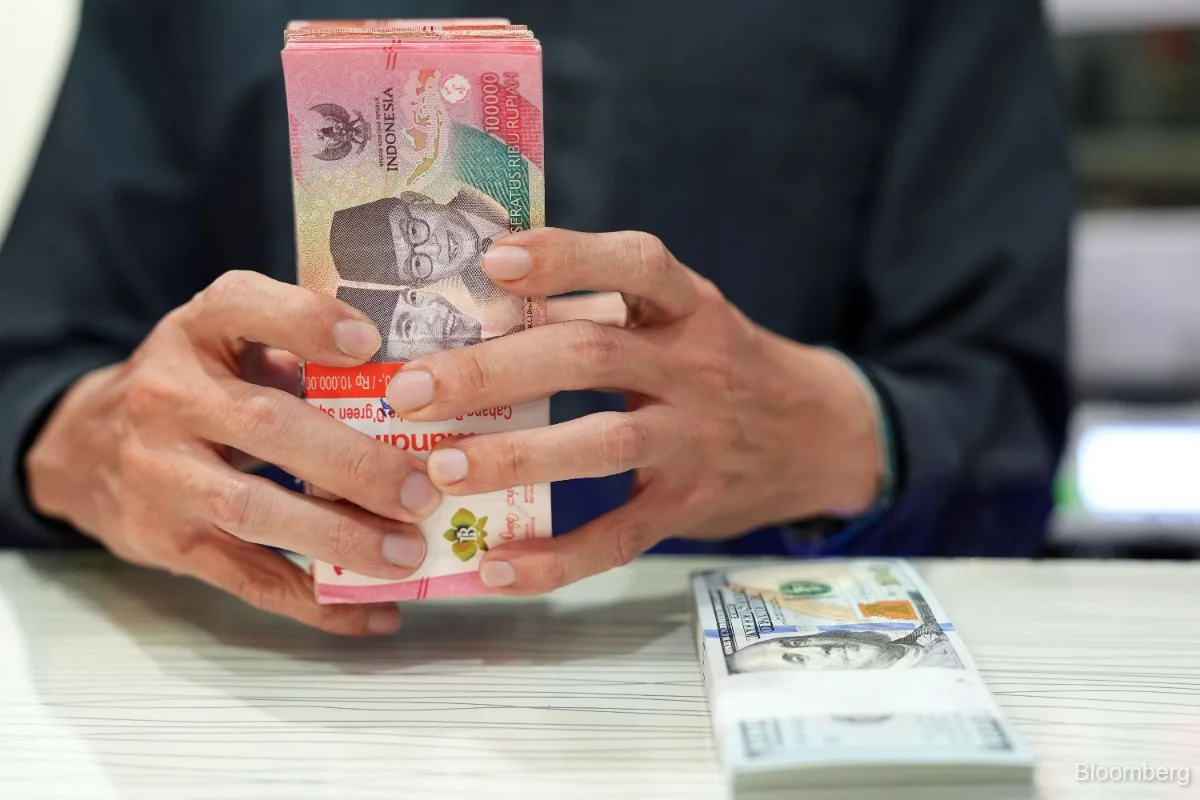
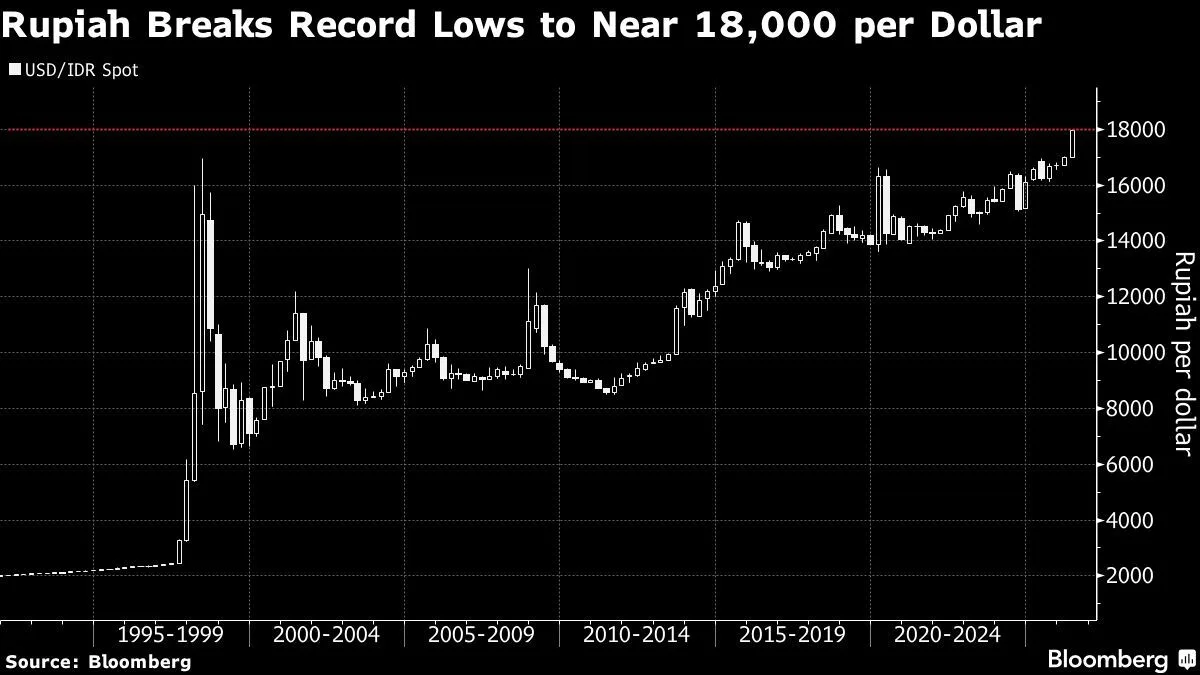
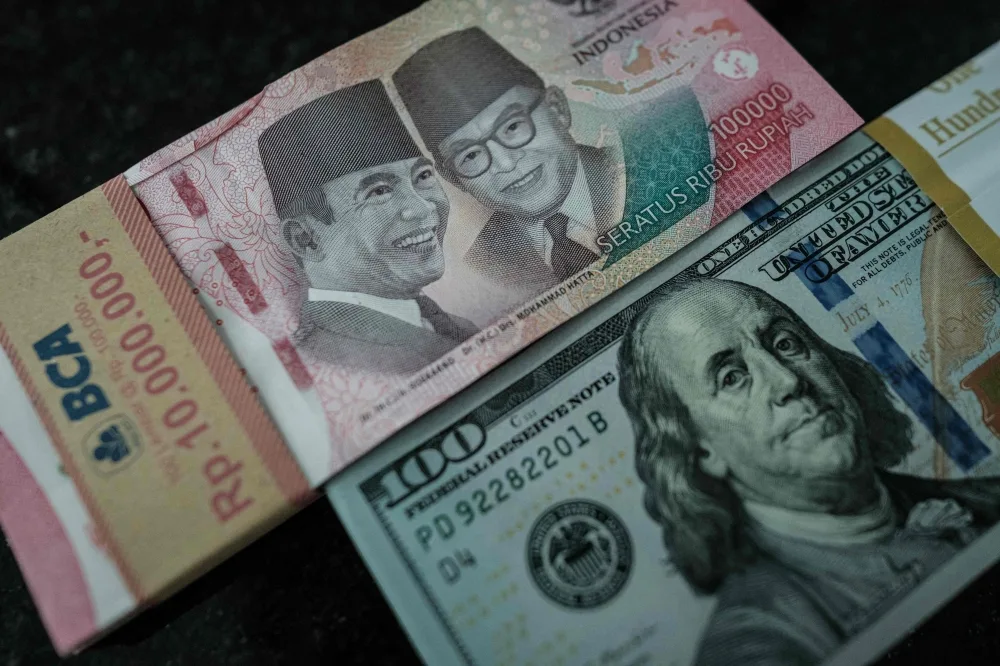
The Indonesian rupiah breached the psychological level of 18,000 per US dollar on June 4, 2026, reaching 18,047 amid mounting economic pressures [1, 2, 3]. The currency is Asia’s worst-performing this year, having fallen more than 7% in 2026 [1, 2, 3]. On June 3, the rupiah touched near 18,000 and Indonesia’s stock market declined to a five-year low as worries intensified [1, 2].
Investor sentiment has been hurt by several factors, including fears of sovereign rating downgrades, MSCI’s possible reclassification of Indonesia as a frontier market, and government controls on commodity exports [1, 2]. Indonesia’s trade surplus nearly disappeared in April 2026 after soaring import costs for oil and gas outpaced export gains [1, 2]. Inflation also accelerated in May 2026, adding to economic concerns [1, 2].
Bank Indonesia (BI) is expected to respond with stepped-up market interventions and a potential interest rate hike of 50 basis points in June to support the rupiah and curb inflation. “18,000 is likely a psychological level market participants will be watching closely. Bank Indonesia intervention efforts appear likely to try to stem the pace of currency depreciation,” said BNP Paribas strategist Parisha Saimbi [1]. MUFG’s Lloyd Chan added, “The rupiah stability is a key mandate for BI. Given the trajectory of rupiah depreciation, BI will likely have to raise rates again in June” [2].
On June 4, the Indonesian parliament passed a legislative amendment expanding Bank Indonesia’s mandate to include responsibility for economic growth alongside monetary policy. It also introduced parliamentary evaluation of BI’s performance, as well as oversight over the Indonesia Deposit Insurance Corporation (LPS) and Financial Services Authority (OJK) [3]. Finance Minister Purbaya Yudhi Sadewa said, “It’s not just about exchange rate stability, or just about inflation. It’s also about paying attention to economic growth and creating jobs” [3].
However, economists voiced concerns about the impact on central bank independence. Economist Yose Rizal Damuri of CSIS warned the change raised the “question of independence”, especially if parliamentary intervention becomes “routine” [3]. David Sumual, Central Bank Asia chief economist, said weakening independence could elevate risk premiums and pressure financial markets [3].
Indonesia’s next policy decision by Bank Indonesia is scheduled for June 18, when the central bank is widely expected to announce whether it will raise interest rates to address the rupiah’s slide and inflation pressures [1, 2].