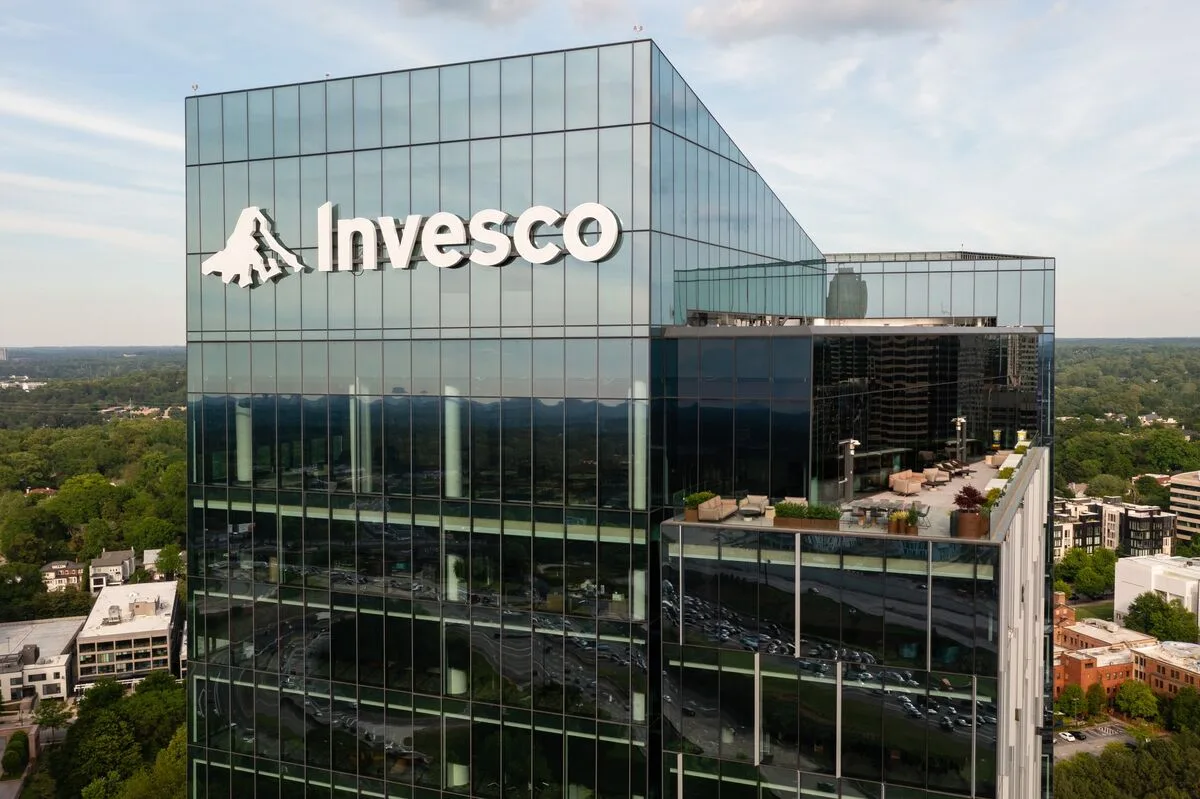
Investors put nearly $86 million into the Invesco DB Commodity Index Tracking Fund last week, marking the largest daily inflow since 2022 amid rising concerns over energy inflation tied to the US-Iran war [1]. West Texas Intermediate oil prices rose 4% between May 15-16 to close above $105 per barrel, while Brent crude settled above $109, reflecting supply fears linked to ongoing hostilities [2, 3].
The Strait of Hormuz remains closed or nearly so due to the conflict, adding upward pressure on oil prices and inflation, said Sam Stovall, chief investment strategist at CFRA. He warned the closure "will keep upward pressure on oil prices, which will likely continue to push inflation readings higher and cause bond yields to rise," potentially hitting consumer and investor confidence [2].
The war has also driven global interest rates higher. Yields on US 10-year Treasury bonds exceeded 4.5%, Japan’s 30-year borrowing costs reached 4%, and UK long bond yields hit a 28-year peak as investors seek safer assets amid uncertainty [2, 3]. On May 15, the S&P 500 posted its largest single-day fall since March amid the global bond selloff and inflation fears [2, 3].
Attempts to negotiate an end to the conflict have stalled, with reports that Washington offered no tangible concessions. A drone attack caused a fire at a UAE nuclear plant over the weekend, highlighting the fragility of any ceasefire [2, 3]. President Donald Trump warned Iran via social media on May 17 that "the clock is ticking" and urged quick action, saying, "TIME IS OF THE ESSENCE!" [2, 3].
The International Monetary Fund upgraded the UK's 2026 GDP growth forecast to 1% from 0.8% but cautioned that energy price rises will keep inflation elevated and delay a return to the 2% target until late 2027 [4]. The IMF advised the Bank of England to maintain interest rates at 3.75% while preserving flexibility to cut rates if inflation worsens, stating monetary policy "should remain restrictive to ensure that higher energy prices do not spill over to core inflation and wage growth" [4].
Investors will watch for further developments in the Iran conflict and upcoming central bank decisions as energy prices and inflation concerns continue to impact financial markets worldwide.