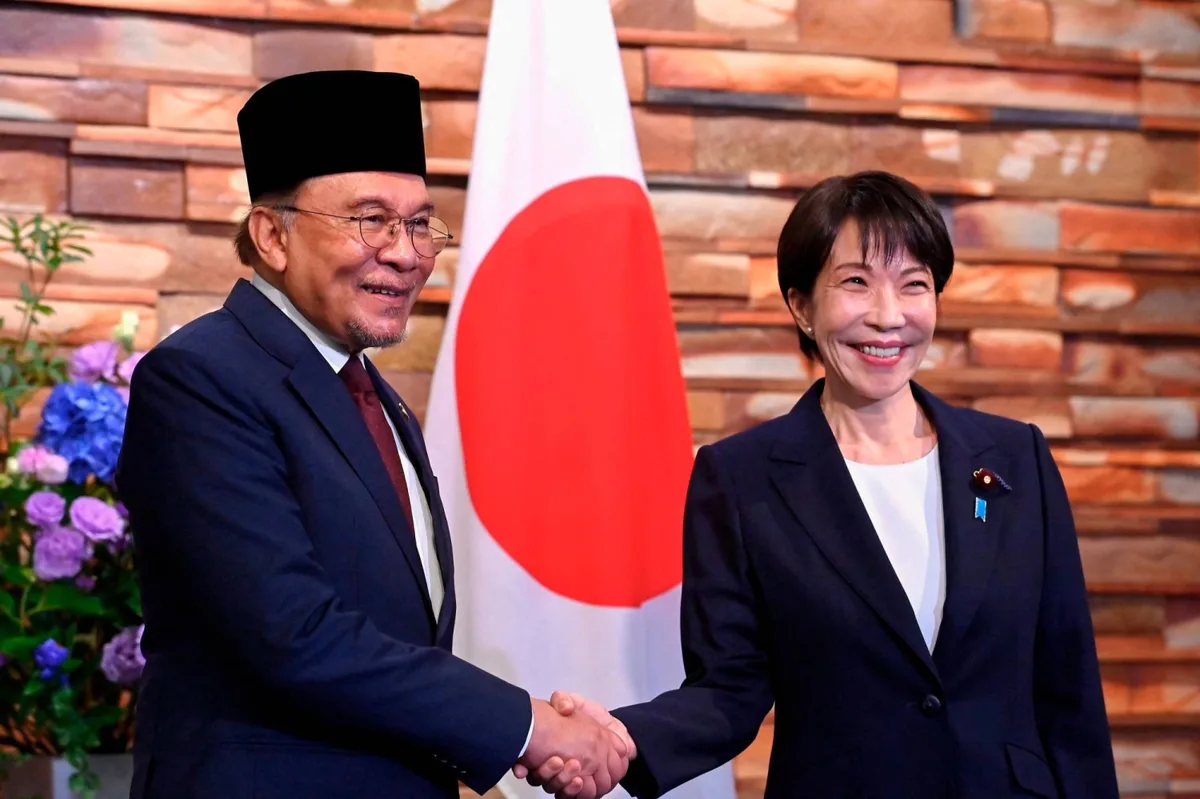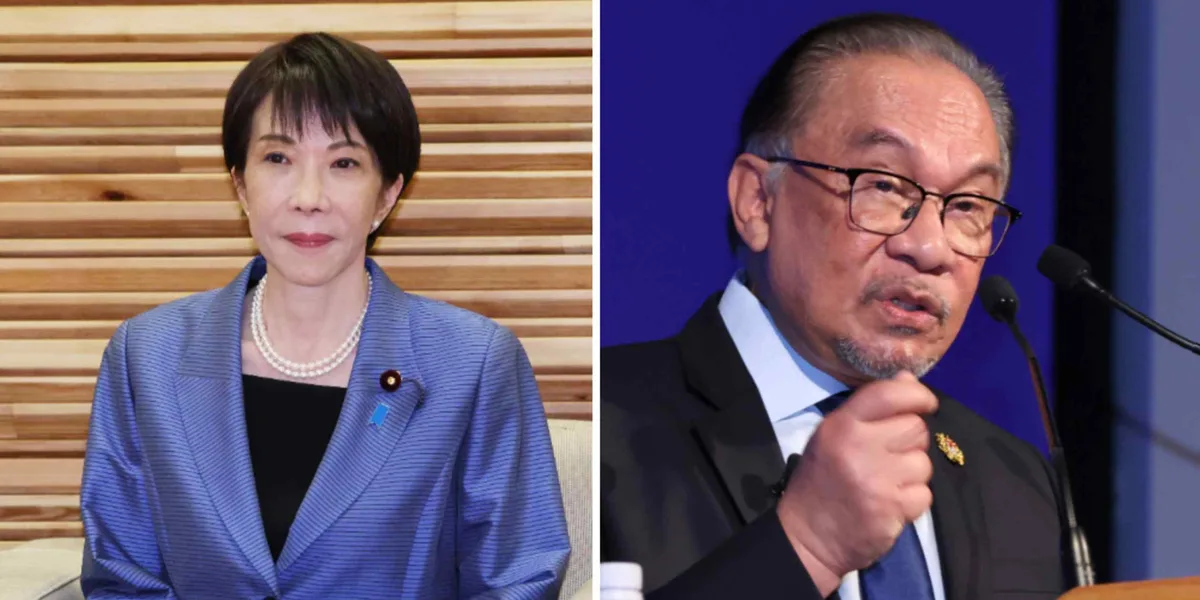
Japanese Prime Minister Sanae Takaichi and Malaysian Prime Minister Anwar Ibrahim met on June 10 in Tokyo to discuss expanding cooperation on energy, supply chains, and security issues. Malaysia pledged to provide Japan with the largest possible supplies of liquefied natural gas (LNG) and naphtha to strengthen energy ties between the two countries [1, 2].
Japan currently imports about 15% of its LNG from Malaysia, making Malaysia a key partner in Japan’s energy security [2]. Malaysia is also a major producer of naphtha and has significant refining capabilities, which supports Japan’s efforts to diversify petrochemical supplies amid recent disruptions caused by the Iran war and the closure of the Strait of Hormuz [2].
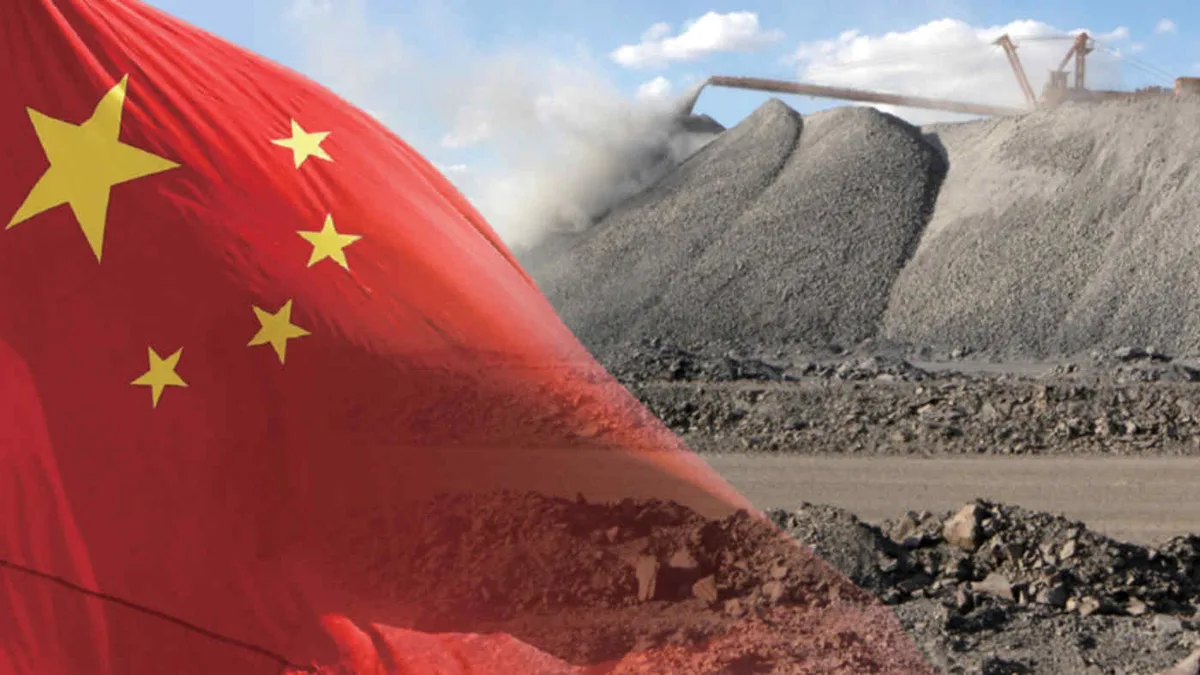
In addition to energy supplies, the leaders discussed cooperation on artificial intelligence and mineral resources, aiming to bolster supply chain resilience [1]. They agreed to deepen collaboration on energy, security, maritime issues, and broader supply chains to ensure stability in critical sectors [2].
The talks reflect Japan’s strategy to reduce vulnerability to geopolitical risks by diversifying its energy and raw material imports. Malaysia’s commitment to supplying maximum LNG and naphtha demonstrates its role as a reliable source for Japan’s energy needs [1].
Officials said follow-up discussions will continue to implement the agreements and explore further cooperation opportunities in technology and security sectors.