Japan’s government announced on May 25 plans to compile an extra budget of around ¥3 trillion (US$19 billion) to subsidize fuel and energy costs amid soaring prices linked to tensions in the Middle East [1, 2, 3, 4, 5, 6, 7]. The extra funds will replenish government contingency reserves after using about half of ¥1 trillion in reserves to subsidize utility bills earlier [1, 3, 4, 8, 9, 7].
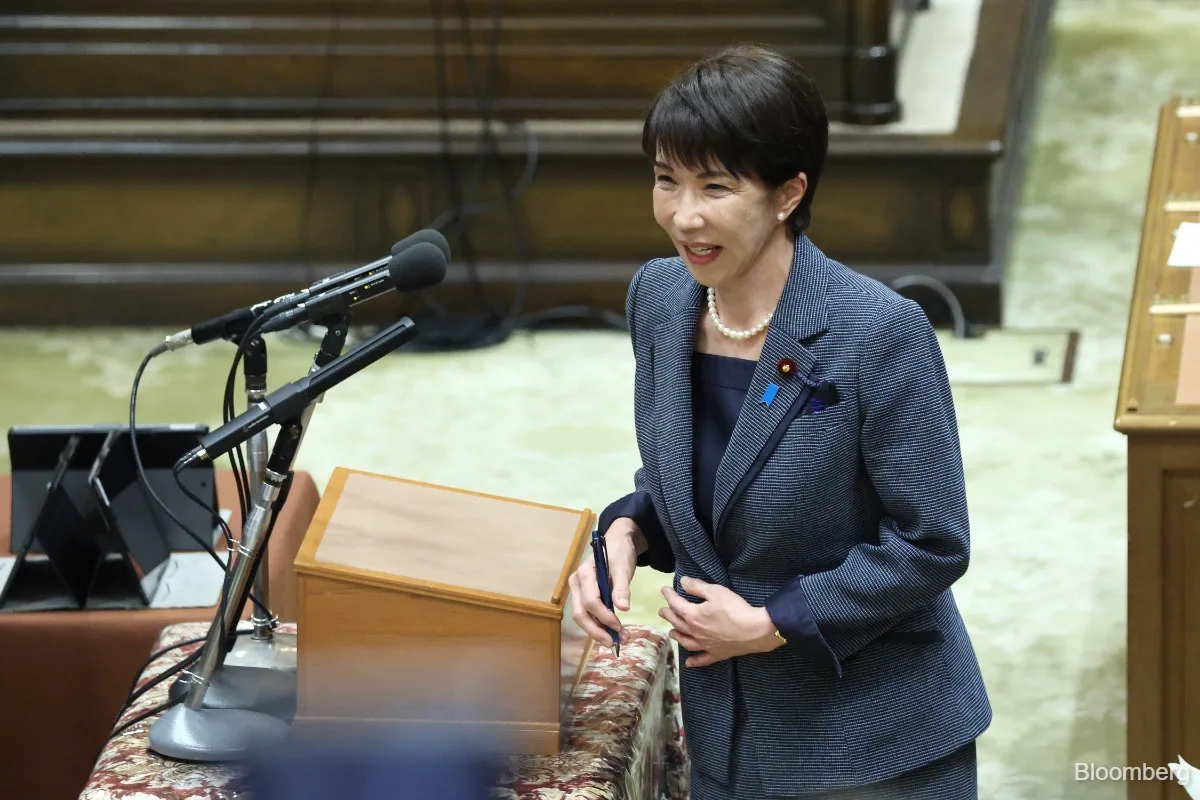
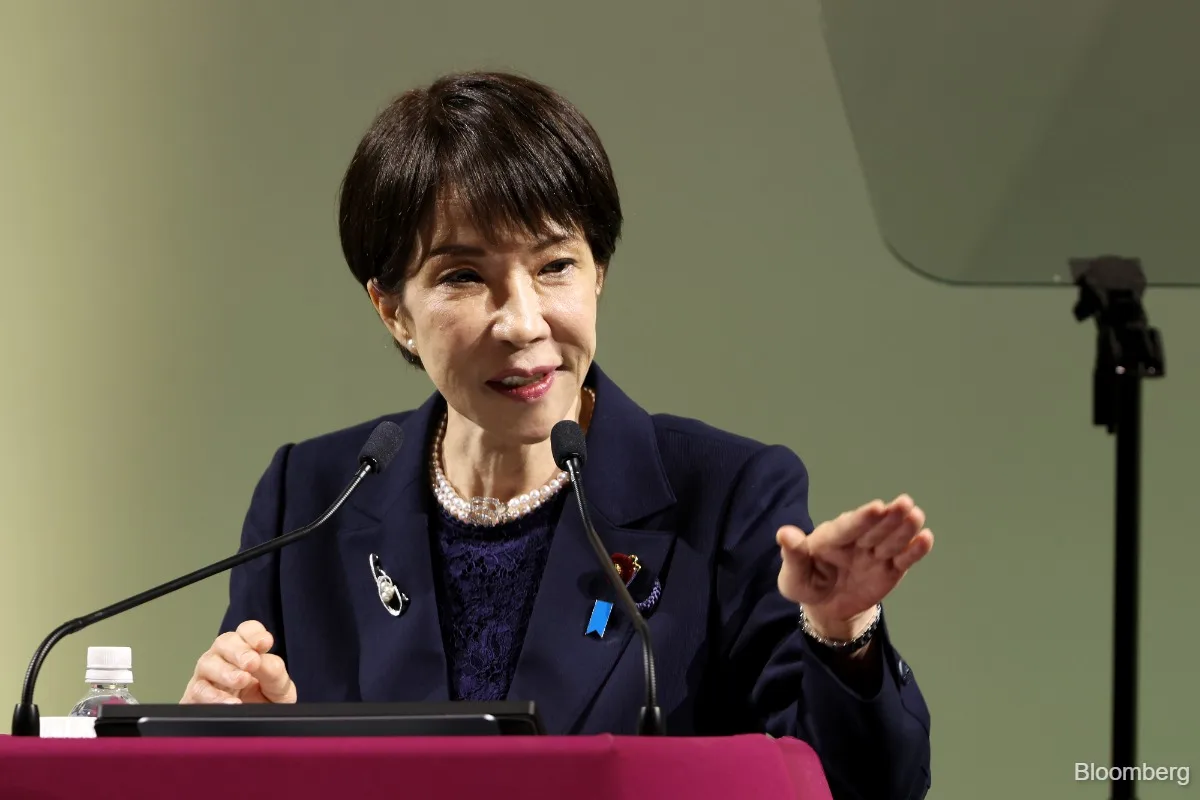
The new subsidy will cover electricity, gas, and gasoline prices to ease living cost pressures caused by elevated energy costs [1, 3, 4, 8, 9, 7]. Prime Minister Sanae Takaichi said the funding will come from deficit-financing government bonds but stressed that the total government bond issuance for the calendar year will not increase [1, 2, 3, 4, 5, 7]. Takaichi said, "We therefore believe this can be implemented without affecting the government bond market" [2]. She added the government will monitor market and economic indicators closely to steadily reduce the debt-to-GDP ratio and maintain fiscal sustainability and confidence [3].
Higher-than-expected tax revenues, non-tax income, and underspending from the previous fiscal year are expected to offset the need for the roughly ¥3 trillion in deficit bonds initially scheduled, allowing the extra budget to be financed without increasing overall borrowing [1, 2, 3, 4].
On May 26, the government also approved an additional ¥513.5 billion (around US$3.2 billion) emergency subsidy plan from reserve funds to subsidize electricity and gas bills from July through September 2026 [8, 9, 10]. Cabinet Deputy Secretary General Masanao Ozaki said despite the uncertain Middle East situation, the government will "do our utmost to ensure people’s daily lives and economic activities are not affected" [8]. Minister of Economy, Trade and Industry Ryosei Akazawa noted the support will focus particularly on August when electricity demand peaks seasonally [9]. Finance Minister Satsuki Katayama said the subsidy will keep electricity and gas prices lower than last summer during those months [10].
The heightened energy subsidies come as the Middle East crisis—especially conflicts involving Iran and instability in the Strait of Hormuz—has pushed global energy prices higher, putting pressure on Japan’s economy [1, 3, 5, 8, 9, 7]. Following the budget announcement, yields on Japan’s 10-year government bonds rose to about 2.8%, their highest level since 1996, amid concerns about increased debt [1, 3, 4, 7].
Japan plans to submit the draft supplementary budget for fiscal 2026, which will exceed ¥3 trillion, to the Diet as early as June 3, with rapid parliamentary deliberations expected to enact the funding swiftly [11, 7].