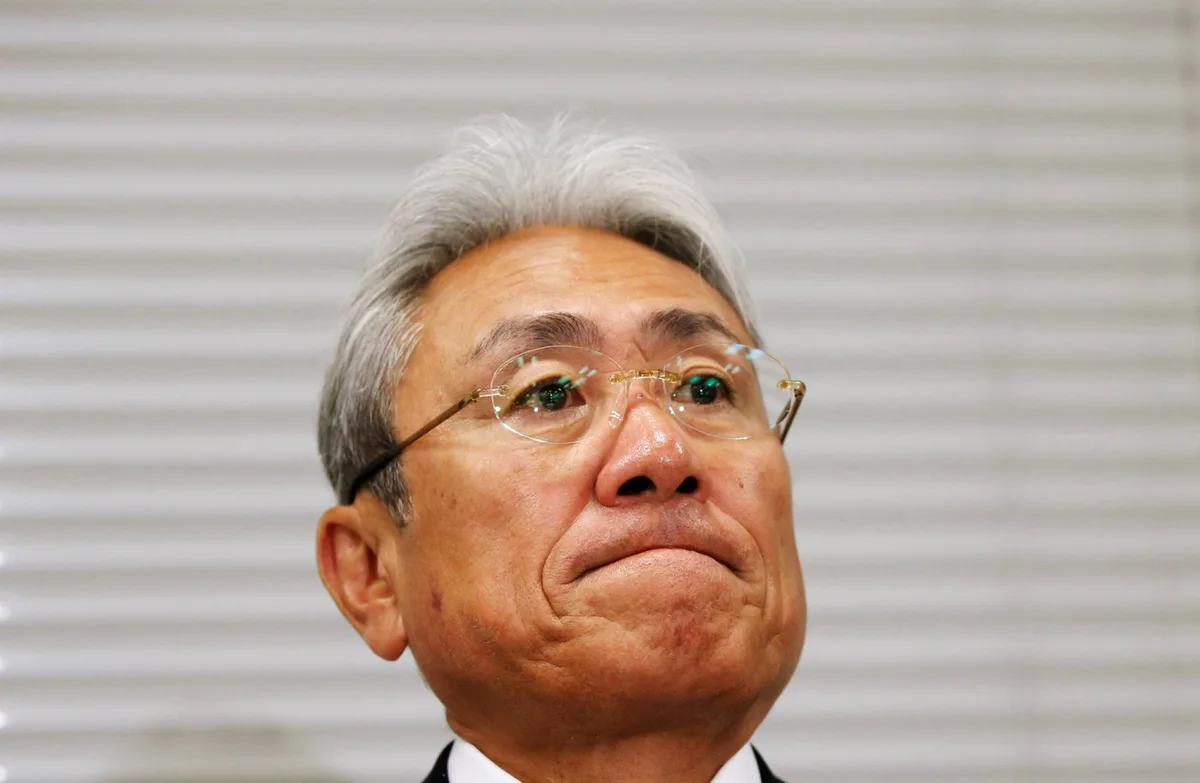
Former Marubeni president Fumiya Kokubu warned at a May 25 webinar that Japan could face a shortage of naphtha-derived chemical products by the end of June 2026. He attributed the risk to losing a major supply source from the Middle East after the outbreak of war in Iran in late February 2026 disrupted exports [1, 2].
Before the conflict, Japan imported about 15 million kiloliters of naphtha annually from the Middle East, a region that accounted for over 90% of its crude oil imports. Kokubu said it is impossible to find alternative suppliers to fully replace this lost volume. He added that relying heavily on U.S. naphtha imports is unrealistic and that the supply issues go beyond distribution bottlenecks cited by the government [1, 2]. "A massive supply source has disappeared," Kokubu said [2].
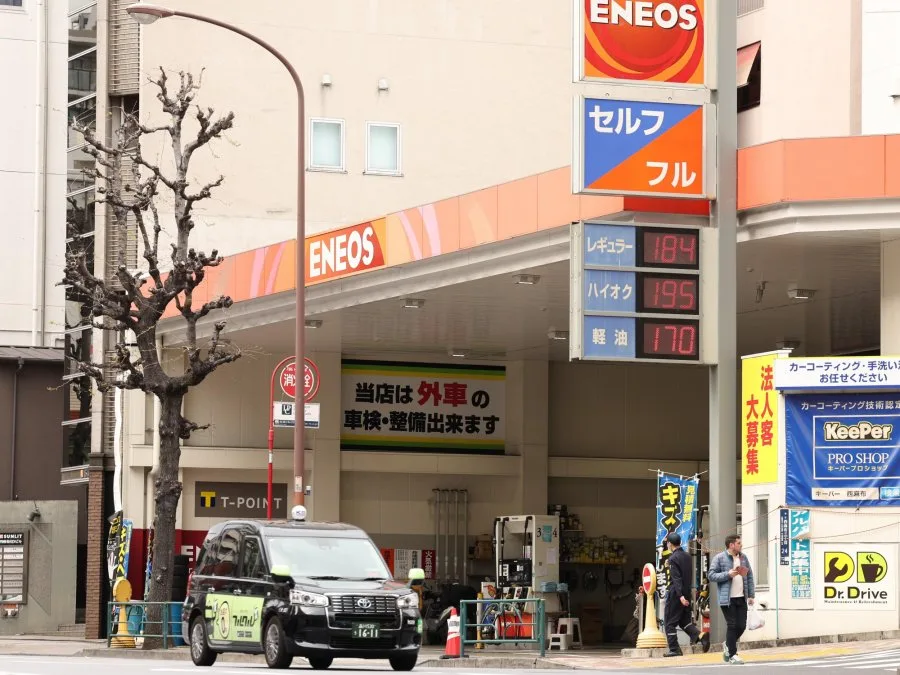
The Japanese government, however, has offered strong assurances about supply stability. Prime Minister Sanae Takaichi stated on May 26 that energy supplies including crude oil and naphtha-derived products will remain stable through this year and into spring 2027, with no need for restricting energy use by consumers or businesses. The government expects June crude oil supply at approximately 80% of last year’s levels and said it has secured fuel from outside the Middle East [3, 4]. Takaichi said, "We can ensure stable energy supply from this year into next spring. Currently, no need to put the brakes on economic activities by restricting energy use" [3].
Since the conflict began, Japan has twice released strategic oil reserves, in March and May 2026, to help manage supply shortages [3, 4]. Even so, a Kyodo News poll found over 70% of Japanese citizens worry about instability in crude oil and naphtha supply. The majority believe the government should recommend energy conservation measures [3, 4].
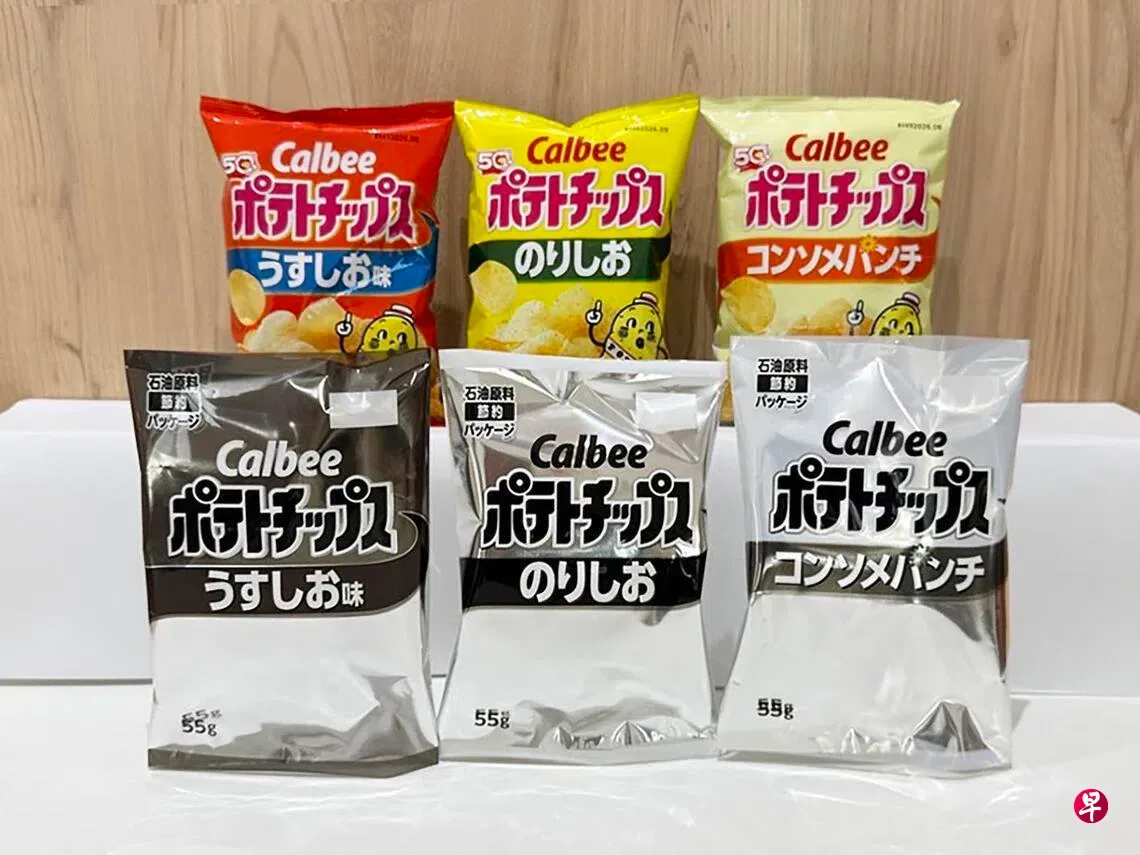
Disruptions caused by naphtha shortages have affected production of printing ink and packaging materials. Companies like Calbee have switched from multi-color to two-color packaging, and Toto Ltd. has suspended orders for plastic bathtubs due to lack of material [1, 3, 4]. Price increases for plastic packaging and printing ink have impacted food and retail packaging, pushing businesses to use simpler or reduced packaging [3, 4].
The main disagreement lies in timing and severity. Kokubu warned a shortage could appear as soon as end of June due to lost Middle East supplies and limited alternatives. The government counters that supply is stable through spring 2027 with no need for restrictions, citing diversification efforts [1, 2, 3, 4].
Japan’s immediate next step is managing supply through existing reserves and imports. The government has scheduled continued monitoring of energy supplies as the year progresses, with particular attention to crude oil and naphtha availability amid ongoing Middle East volatility.