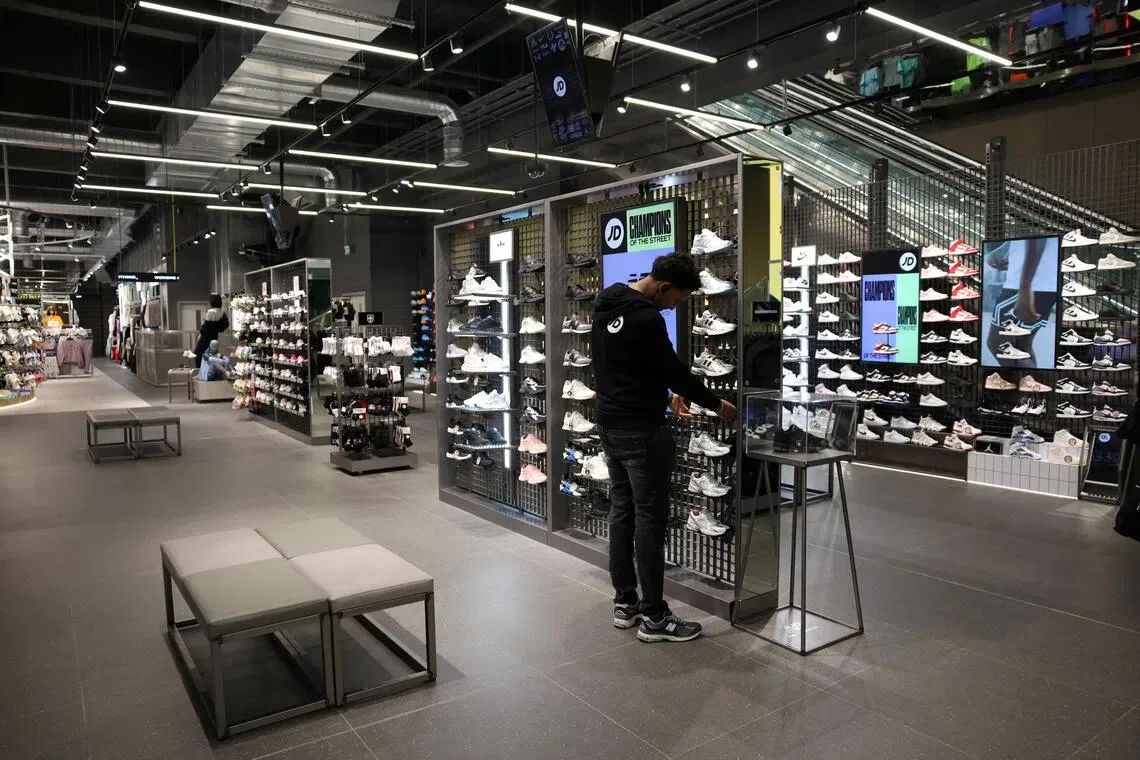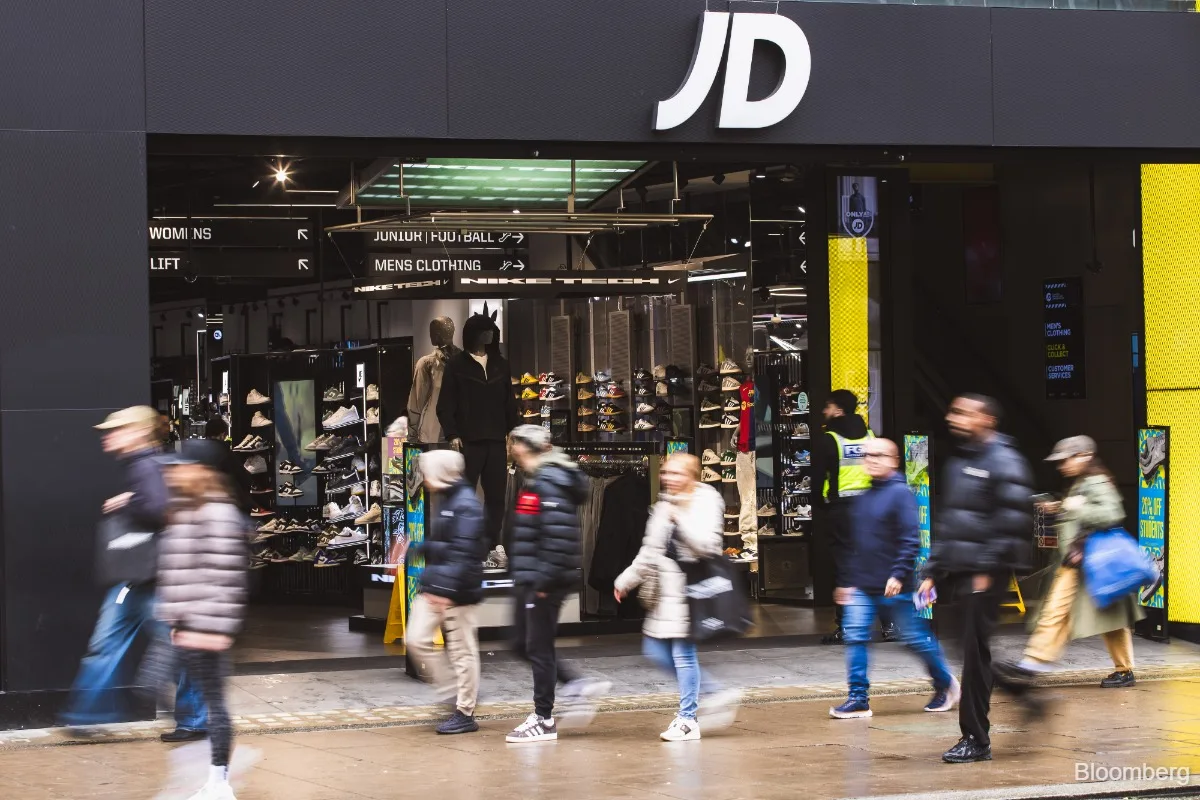
JD Sports has reduced its full-year profit before tax forecast to between £700 million and £800 million, down from the previous guidance of up to £850 million, citing weaker sales and challenging market conditions [1, 2, 3]. The company reported a 3.1% decline in like-for-like sales in the 13 weeks ending August 1, 2026, with North America seeing the steepest fall of 6.8%, Europe down 2.7%, and only modest growth in the UK (0.8%) and Asia-Pacific (1.4%) [1, 2, 3].
CEO Régis Schultz said, "Trading in the second quarter remained tough. Our core consumer was impacted by incremental cost-of-living pressures," pointing to reduced discretionary spending among younger customers [2]. The company also noted ongoing promotional market conditions and weaker demand for older footwear lines as headwinds expected to continue into the second half of 2026 [1, 3]. Stoke in North America was softened in part by back-to-school demand deferred from July into early August [3].
Nike, which accounts for over 40% of JD Sports' sales, is currently resetting its business model, adding pressure to JD Sports’ performance [1, 3]. Despite this, apparel and accessories held up well across regions, and football replica kits sold strongly in the UK [2, 3].
JD Sports operates roughly 4,800 stores worldwide under brands including JD, Blacks, and Millets [2]. The company recently appointed Peter Agnefjäll, former CEO of the IKEA Group, as chairperson to help oversee the turnaround after a boardroom struggle [1].
Shares in JD Sports dropped 11% to 12% in early trading following the profit warning. The stock is down more than 60% from its 2021 peak and nearly a third over the last two years [1, 3]. Analyst Kate Calvert from Investec said JD shares are unlikely to improve until downgrades stop, excess stock is cleared, and better Nike momentum emerges, which she expects not before next year [3].
Some inflationary pressure is linked to external factors such as the US conflict with Iran and fuel price increases, which have affected consumer spending [2]. Wealth Club’s Susannah Streeter noted, "The sneaker is fast becoming a canary in the coal mine for confidence. More consumers are resisting the lure of hyped brands..." [2].
JD Sports’ guidance reflects a "pragmatic view of external market conditions," Schultz said [3]. The company faces tougher trading ahead but aims to stabilize performance under new leadership.
The next key development will be how JD Sports manages second-half trading conditions as it works to clear excess stock and adapt to shifting consumer demand amid cost-of-living challenges.