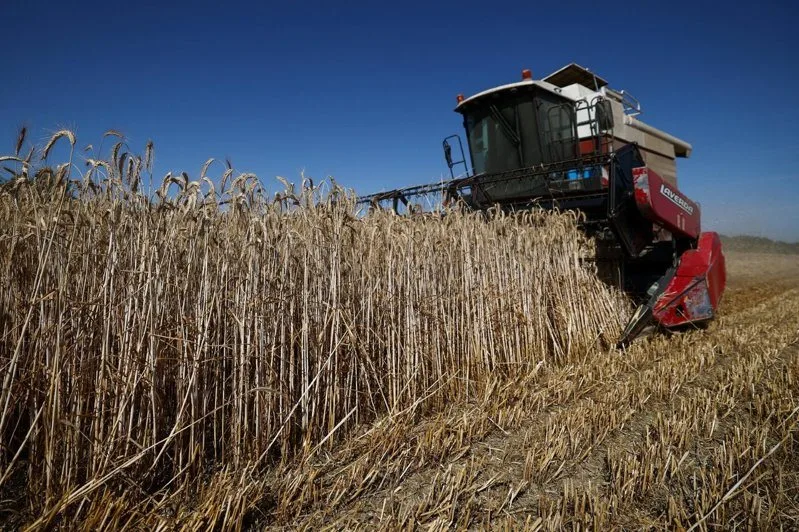
A record-breaking heatwave in June 2026 caused an estimated loss of about 9 million tonnes of grain and other crops across Europe, mainly wheat, barley, maize, and oats. The event led to financial losses valued between €20 billion and €23 billion, about 5% of the expected 2025 crop output value [1, 2, 3, 4, 5, 6, 7].
France and Hungary suffered the most, with France losing approximately 3.4 million tonnes of crops worth around €891 million and Hungary losing about 2.4 million tonnes [1, 3, 4, 5, 6, 7]. Maize was especially affected, accounting for roughly half of the production shortfall due to heat damage during its pollination period [1, 3, 4, 5, 6, 7]. The EU and UK’s 2026 grain harvest is forecast to be the smallest since 2018 [1].
The June heatwave reached the highest temperatures ever recorded for the month in Western Europe, hitting 43°C in France and exceeding 40°C in Hungary, intensifying the damage to crops [1, 3, 4, 5, 6, 7]. The reduction in yields combined with likely price rises risks increasing animal feed costs and weakening European food security, warned Tom Lancaster, an analyst at the Energy and Climate Intelligence Unit (ECIU), who said, "This will hit farmers in the pockets, reducing their income and undermining European food security at the same time" [1, 3, 4, 7].
Hungarian farmers faced a double blow as they endured falling domestic grain prices pressured by cheaper Black Sea imports, which limited their ability to offset losses financially [3, 4, 7]. Meanwhile, some countries, including Bulgaria, Romania, Italy, and Finland, recorded slight upward revisions in expected harvests, which marginally lowered overall net loss estimates by about €1.79 billion [3, 4, 7].
The EU and UK maize production estimate was adjusted down from 57.2 million tonnes to 52.7 million tonnes following the heatwave [3, 4, 5, 6, 7]. European governments are in negotiations over the future of the EU Common Agricultural Policy amid these agricultural challenges. However, Théo Paquet of the European Environmental Bureau criticized current subsidy policies for failing to strengthen climate resilience. He argued they "continue to fund harmful practices that directly fuel these crises, creating an expensive and unsustainable vicious cycle" [3, 4, 7].
The UK also experienced significant heatwave impacts with an estimated 24 million working hours lost and economic losses near £1.1 billion (around SGD 2 billion) in June. A survey conducted during the week ending June 22 found the average work hour reduction was 0.47 hours per person, with 3.6% of respondents missing the full week due to heat-related issues. Health problems such as sleep disruption, fatigue, dizziness, fainting, and increased heart rate affected 87% of those surveyed. Robin Robinson, director of the Grantham Research Institute, said, "Our findings show the UK still has insufficient adaptation to climate change. The government must not continue to ignore extreme heat and act immediately" [8, 9].
At the Bloomberg Sustainability Summit on July 22, Singapore climate ambassador Ravi Menon described climate change as "the root cause of supply chain disruptions globally because it is the deepest interconnection in the global economy," emphasizing companies’ slow action on climate risk assessments [5, 6].