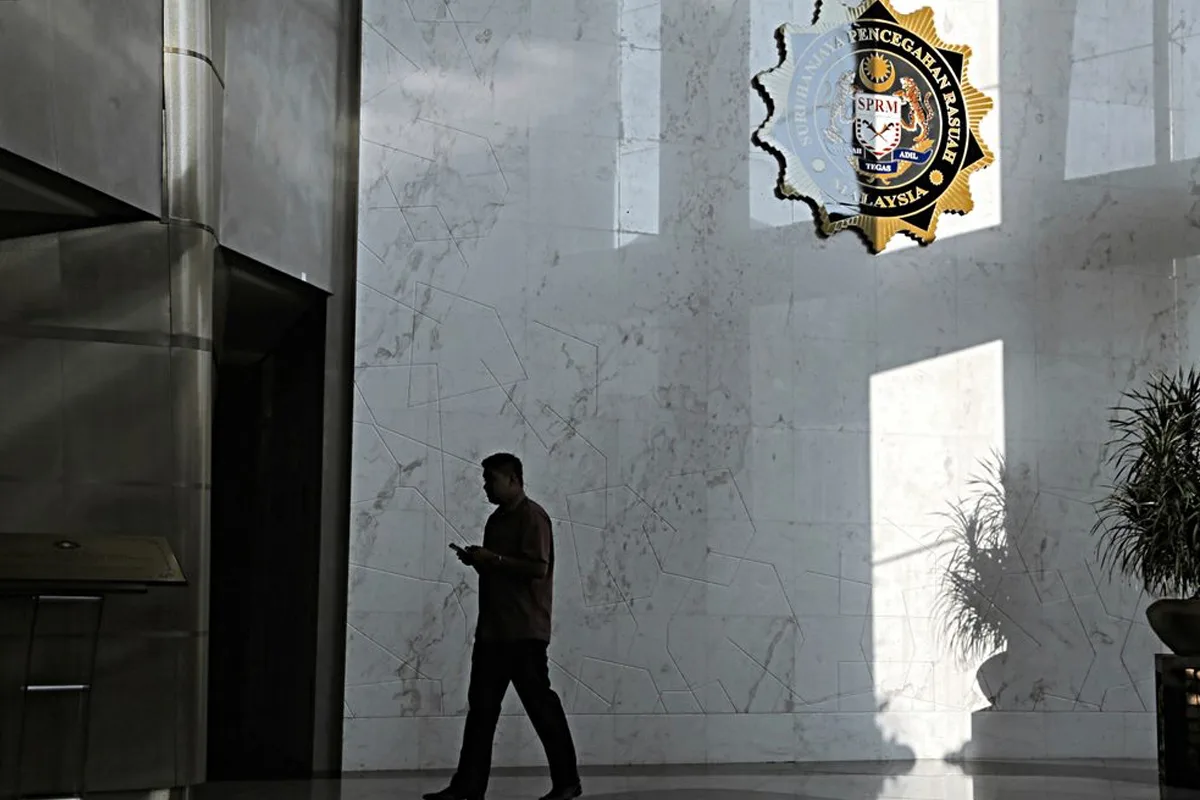
The Malaysian Anti-Corruption Commission (MACC) submitted formal recommendations to the Civil Aviation Authority of Malaysia (CAAM) to improve management of dangerous goods at cargo terminals after a governance investigation linked to an incident at Kuala Lumpur International Airport (KLIA) [1, 2, 3].
Key among the recommendations is the adoption of high-tech scanners using artificial intelligence by all cargo terminal operators handling dangerous goods. MACC's Governance Investigation Division also proposed strengthening the Dangerous Goods Unit with additional officers and system upgrades to boost monitoring and enforcement capabilities [1, 2, 3].
The Governance Improvement Report was signed by CAAM deputy chief executive officer Captain Mohd Radzi Mohamad Alias and MACC Governance Investigation Division director Datuk Mohd Zaki Hassan. It was officially presented by MACC’s deputy director II, Ahmad Shukri Mohamad Taib, to formalize the recommendations [1, 2, 3].
CAAM welcomed the recommendations and committed to implementing them in stages to enhance regulatory controls [1, 2, 3]. The MACC emphasized that "this strategic collaboration reflects the ongoing commitment of the MACC and CAAM in strengthening governance, enhancing compliance, and ensuring the handling of dangerous goods is carried out according to international aviation safety standards" [1].
MACC posted publicly about the recommendations on social media on July 30, 2026, shortly after the signing of the report that same day [1, 3].
CAAM now plans to begin phased implementation of AI scanners and augment the DG Unit staff to prevent similar incidents and improve safety at Malaysian cargo terminals [1, 2, 3].