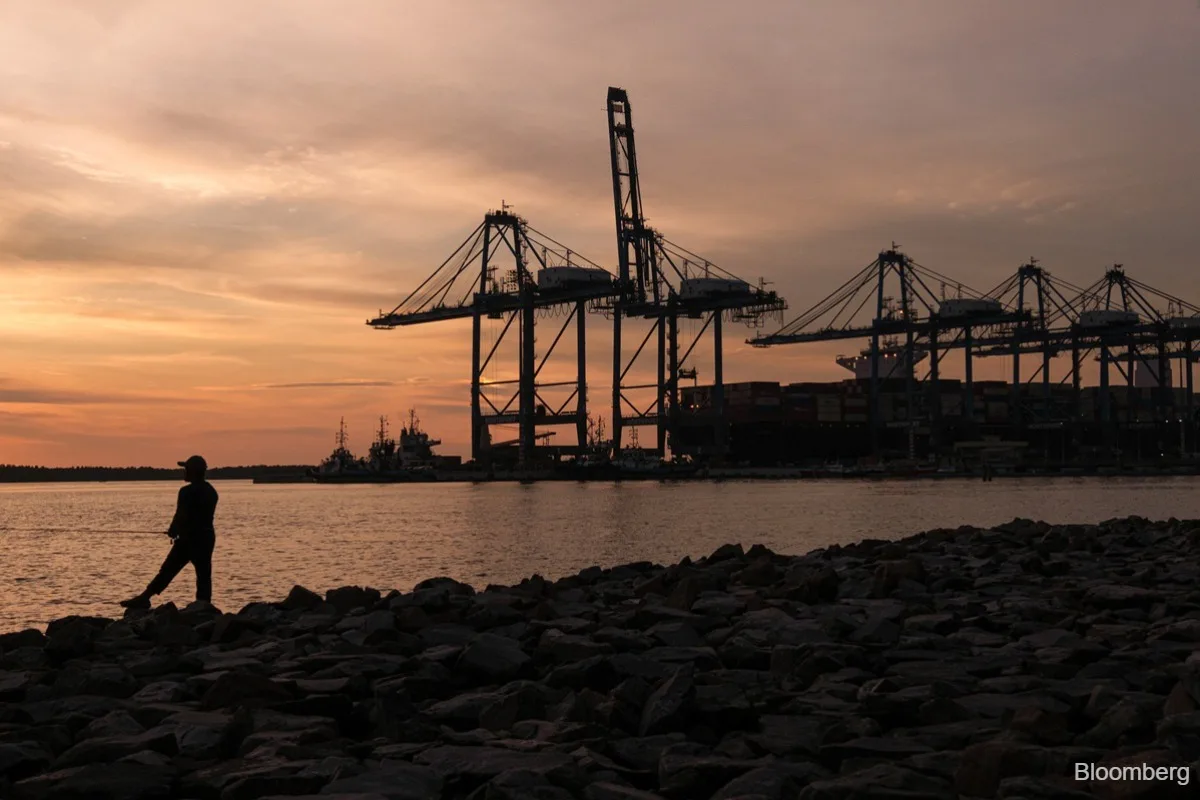
Malaysia and China strengthened maritime cooperation by signing several memoranda of understanding (MOUs) at the China-Malaysia Port Alliance (CMPA) annual meeting held on May 21, 2026, in Nanning, China [1, 2]. The agreements aim to create new trade opportunities and enhance the resilience of regional supply chains [1, 2].
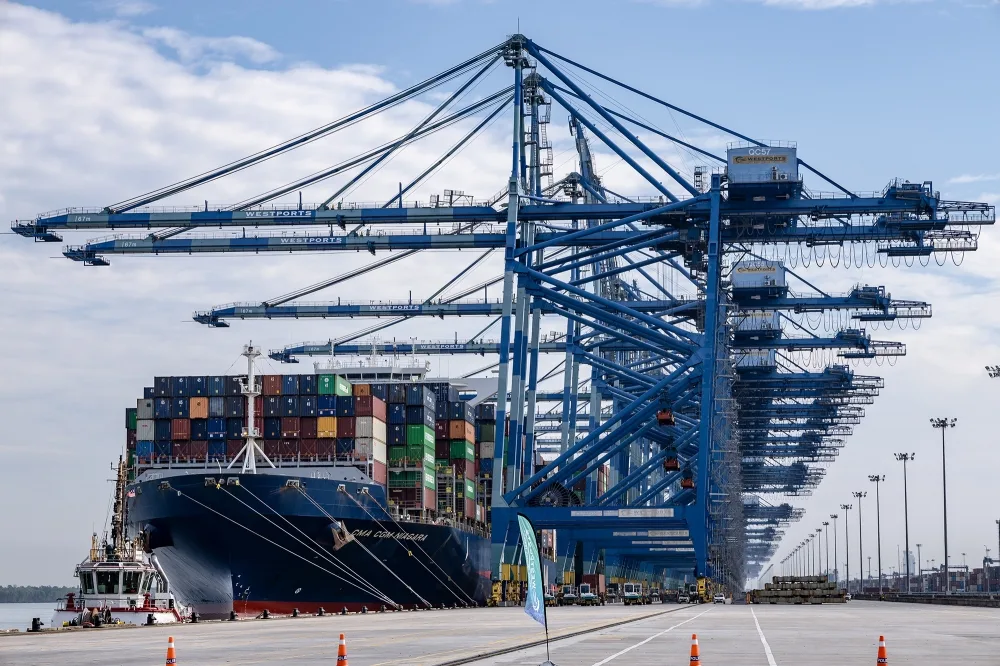
Several new Chinese ports were admitted into the CMPA, which now includes 11 Malaysian and 15 Chinese ports, expanding the network and bilateral trade connections [1, 2]. Malaysia’s ports handled about 33.07 million twenty-foot equivalent units (TEUs) in 2025, with Port Klang and the Port of Tanjung Pelepas ranked among the world’s leading container ports [2]. More than 90% of Malaysia’s trade is transported by sea, underscoring the critical role of maritime infrastructure [1, 2].
Malaysia-China bilateral trade surpassed RM541.54 billion in 2025, accounting for 17.7% of Malaysia’s total trade, reflecting the importance of these maritime links [1, 2]. Transport Minister Anthony Loke Siew Fook said, "The global maritime sector is currently undergoing profound transformation. Supply chains are becoming increasingly complex and vulnerable to external disruptions, particularly amid evolving geopolitical developments and shifting trade patterns" [1].
He added that "ports in Malaysia and China must continue working closely to address these challenges, including through platforms such as the CMPA, to mitigate the impact of geopolitical uncertainties, strengthen supply chain resilience and ensure the stability of regional and global trade flows" [2].
At the meeting on May 21, 2026, Malaysian and Chinese officials signed the MOUs and confirmed the admission of new Chinese ports into the alliance [1, 2]. This expanded network aims to support smoother and more reliable trade routes between the two countries.
The CMPA continues to foster collaboration across maritime infrastructure, logistics, and customs processes. The next CMPA annual meeting is expected to assess progress on these cooperation efforts and explore further opportunities to enhance supply chain stability.