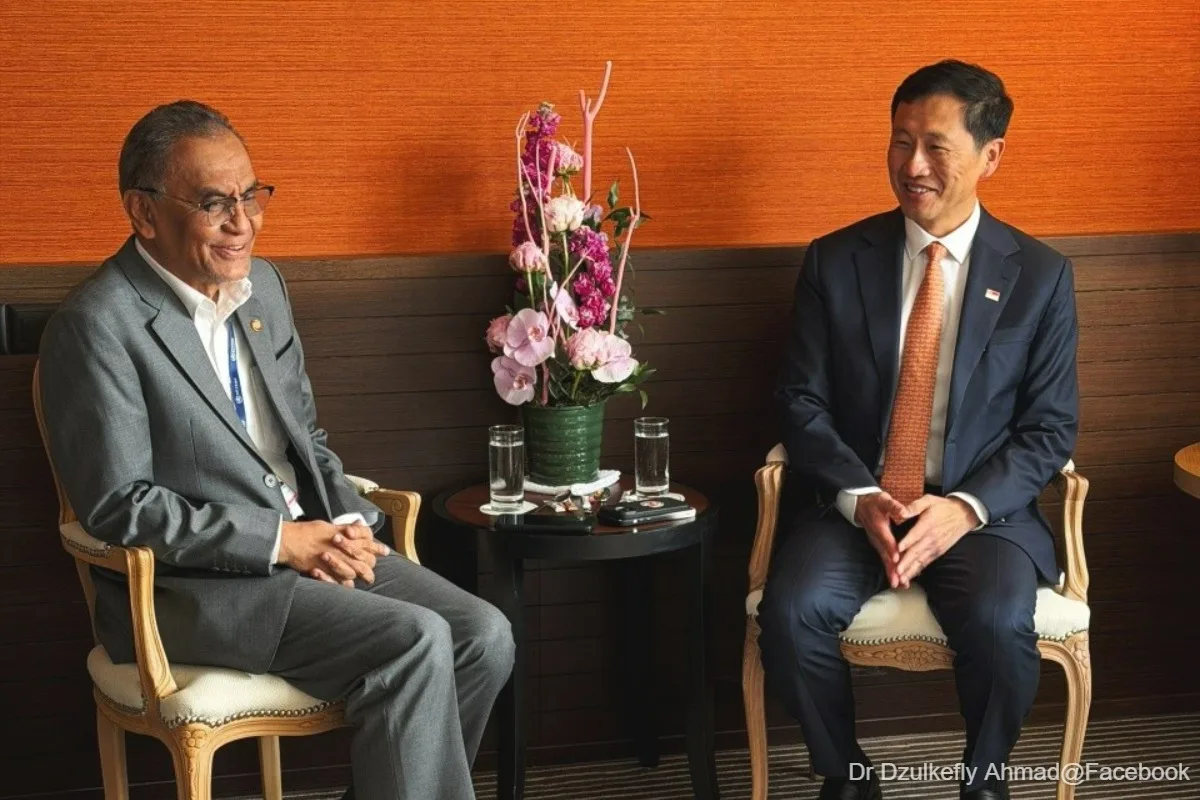
Malaysia and Singapore signed a Memorandum of Understanding (MoU) to strengthen strategic healthcare cooperation during a bilateral meeting between Malaysian Health Minister Datuk Seri Dr Dzulkefly Ahmad and Singaporean Health Minister Ong Ye Kung in Geneva, Switzerland, on May 19 or 20, 2026 [1, 2, 3, 4].
The MoU covers key areas including non-communicable disease (NCD) management, alignment of the Nutri-Grade food labelling policy, regulatory reliance for medical devices, and the expansion of cross-border health tourism [1, 5, 2, 3, 4]. Both countries are exploring ways to facilitate patient referrals from Singapore to private healthcare providers in Johor and expand Medisave insurance coverage for these services [1, 2, 3, 4].
Malaysia faces a significant public health crisis due to NCDs such as diabetes, hypertension, obesity, and heart disease. According to Malaysia's 2024 National Health and Morbidity Survey, more than 500,000 adults suffer from at least four major NCDs. One in six adults has diabetes and one in three has hypertension [5]. High sugar and salt consumption also contribute to these health issues, with 47% of Malaysian adults consuming sugar beyond recommended levels daily (mostly from sugary drinks) and 75% exceeding the WHO's salt intake guideline [5]. NCDs cause an estimated annual economic loss of RM 64.2 billion, including RM 12.4 billion in direct medical costs and RM 51.8 billion in indirect costs such as premature death and low productivity [5].
Datuk Seri Dr Dzulkefly Ahmad said, "This meeting reflects our shared commitment to enhancing strategic cooperation that brings direct benefits to the people" [2]. He described the coordination of food labelling policy as "a proactive and integrated step to combat non-communicable diseases across the region" [1]. Dr Dzulkefly also welcomed the implementation of the Medical Device Regulatory Reliance Programme, which is expected to speed up access to innovative medical technologies in the region [3].
The cooperation aims to build a more sustainable and people-centered regional health system. Dr Dzulkefly said Malaysia remains committed to advancing health diplomacy and regional cooperation based on mutual respect and shared prosperity [1]. He added, "This will help stimulate economic spillover effects and strengthen healthcare connectivity for communities in the southern region" [3].
In a related development, Huawei Malaysia and Universiti Malaya signed a memorandum of agreement on May 19, 2026, to conduct a two-year smartwatch-based diabetes risk study, Malaysia’s first wearable health research in this area [6]. Huawei Malaysia Country Director Patrick Ru said the collaboration hopes to empower Malaysians to take a more proactive approach towards everyday health and wellbeing through wearable technology [6]. Universiti Malaya's deputy vice chancellor Ir Dr Kaharudin Dimyati said it represents a leap towards better community engagement and empowerment [6].
Malaysia also reported 42 cases of heat-related illnesses as of April 24, 2026 during hot weather with no severe increase, and government monitoring continues [5].
Health Minister Datuk Seri Dr Dzulkefly publicly announced the Malaysia-Singapore healthcare strategic partnership and detailed the MoU on social media on May 20, 2026 [1, 5, 4].