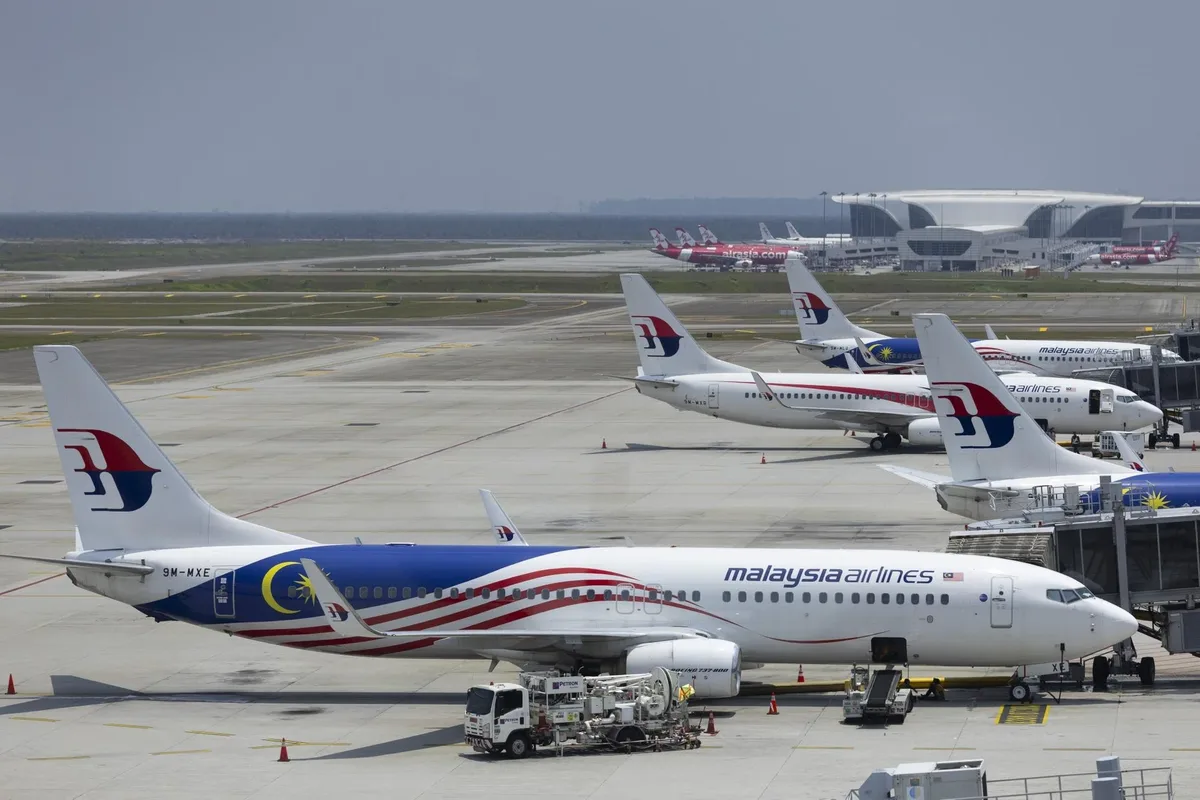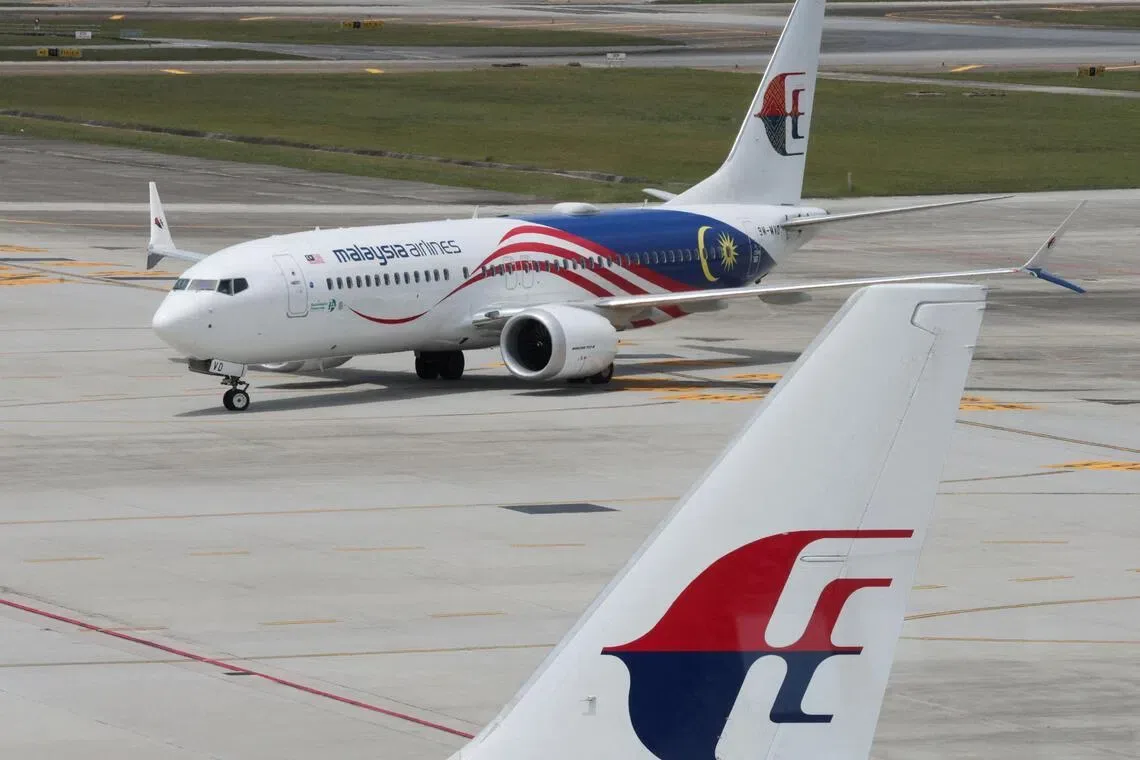
Malaysia has introduced several measures to stabilize its aviation industry affected by rising jet fuel prices linked to the Iran war escalation [1, 2]. Authorities are allowing airlines up to 60 days' extension for the payment of navigation fees and charges to ease operational cash flow pressures [1, 2].
Additional relief includes exemptions on aircraft parking fees and a two-month deferment of passenger boarding bridge and check-in counter costs, reducing expenses for carriers during this period [1, 2]. The government also allocated RM5 million (S$1.6 million) to fund a flight ticket rebate scheme benefiting 100,000 Malaysians traveling domestically from May through June 2026 [1, 2].
Jet fuel prices surged dramatically from US$85-90 per barrel to between US$150 and US$200 per barrel following the Iran war escalation in late March 2026, significantly increasing airlines’ operating costs since fuel accounts for up to a quarter of expenses [1]. This spike contributed to AirAsia X reporting a net loss of RM154.9 million in the first quarter of 2026 [1, 2].
Singapore Airlines issued a statement reported by Bloomberg noting that higher fuel costs have yet to fully impact its financial results and expects the full effect to appear in upcoming financial reports [1].
The flight ticket rebate program started in May and will run through June 2026, aiming to support local travelers and offset some of the cost pressures on domestic flights [1, 2].