Malaysia’s government has increased the Ministry of Education’s (MOE) works procurement budget from RM400 million to RM900 million for 2026 to fund construction of 6,000 classrooms, more than doubling the previously planned 2,500 classrooms [1, 2]. This boost responds to the policy to admit Year One pupils aged six starting in the 2027 school session, prompting the approval of 3,150 additional teachers to serve the expanded student intake [3, 4].
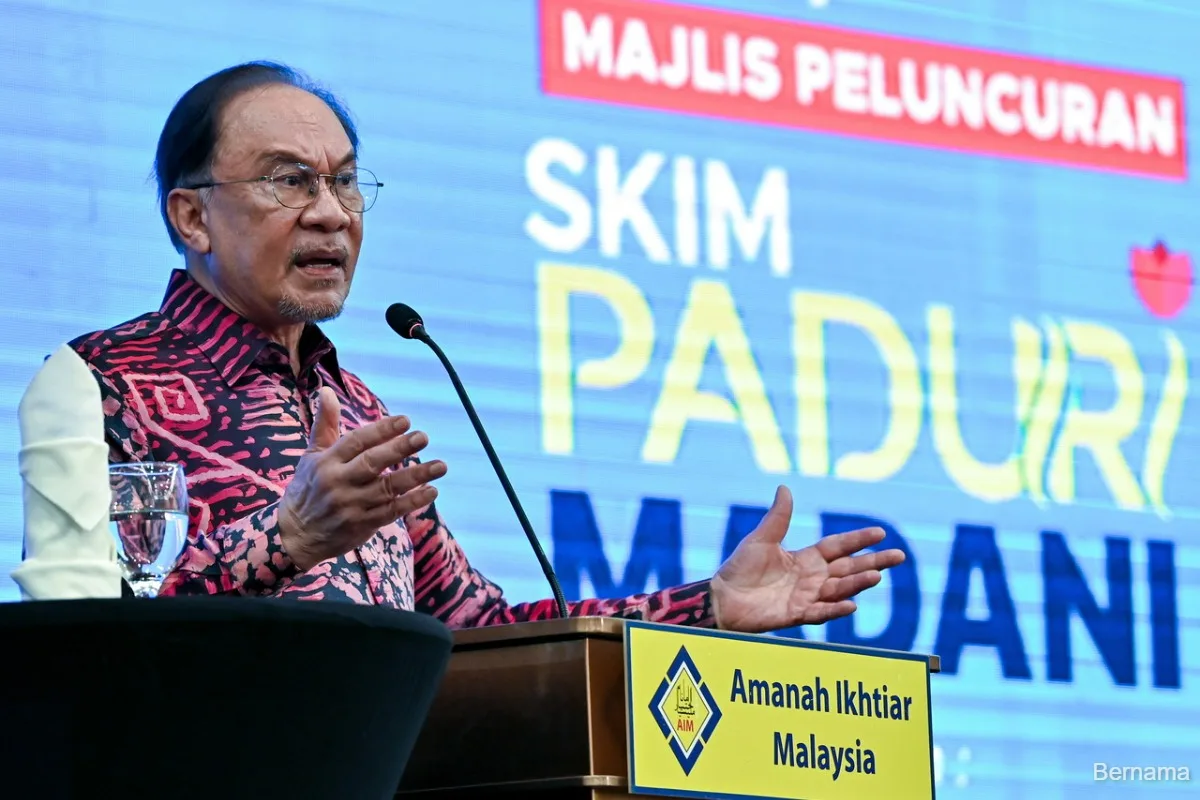
Prime Minister Datuk Seri Anwar Ibrahim said, “We have decided to review all requirements so that, in this year’s budget, we can further increase expenditure and approvals for the MOE” [3]. He detailed, “I previously announced an allocation of RM400 million for the construction of 2,500 additional classrooms in more than 800 schools under Budget 2026. So, to ensure sufficient classroom space for Year One pupils, the government has approved additional funding. So I am announcing that the government has approved an additional allocation, from the RM400 million previously announced to RM900 million for 6,000 classrooms” [1].
The government has also focused on improving teacher welfare by maintaining 7,000 teachers’ rooms and upgrading such rooms in 3,500 schools nationwide. An additional RM100 million has been allocated for the ongoing maintenance and upgrading of teachers’ rooms [3, 4]. More than 4,000 teacher quarters have been maintained, with plans to maintain a total of 8,700 quarters supported by an extra RM50 million funding announced by the Education Minister [3, 4].
Beyond education, Budget 2026 raised the allocation for small contractors in G1 to G4 categories from RM2.4 billion to RM4 billion with an emphasis on aiding Bumiputera small contractors [1, 2]. Prime Minister Anwar said, “I can only say that if performance is good, in line with the expected performance targets, I will give greater focus to help you so that you do not remain small contractors forever” [2]. He also addressed concerns about government spending, stating, “First of all, I want to say that when we reduce expenditure, some say we are not prioritising welfare and health. Do not be quick to judge before knowing the facts” [2].
The government will continue reviewing allocations to the MOE in areas including digitalisation, artificial intelligence, and STEM education as part of its educational reform agenda [3, 4]. The next significant milestone is the 2027 school session when the recruitment of 3,150 teachers and expansion of classroom capacity are expected to meet demand from the new Year One intake policy [3, 4].