Malaysia welcomed 42.2 million international visitors in 2025, marking an 11.2% increase from 38 million in 2024, Deputy Tourism, Arts and Culture Minister Chiew Choon Man said, adding that the country is on "solid footing to sustain this positive momentum throughout 2026" [1]. From January to May 2026, the country received 17.5 million visitors, up 3.4% from 16.9 million during the same period last year [1, 2, 3].
The Malaysian government targets high-performing and stable tourism markets including China, Indonesia, Japan, and India to maintain growth. It is also expanding efforts in long-haul markets such as Russia, Germany, and Australia to diversify its visitor base [1, 2, 3]. Deputy Minister Chiew stressed ongoing collaboration with industry stakeholders to address operational challenges and rising cost pressures to keep Malaysia competitive as a tourism destination [1, 2, 3].
In Perak, the tourism sector targets 11.6 million visitors in 2026, comprising 10.5 million domestic and 1.1 million international tourists, aligning with national plans [1]. Under the 13th Malaysia Plan, about RM44.2 million has been allocated for 13 tourism-related projects in Perak, including six major development projects and seven maintenance or upgrading initiatives [1, 2].
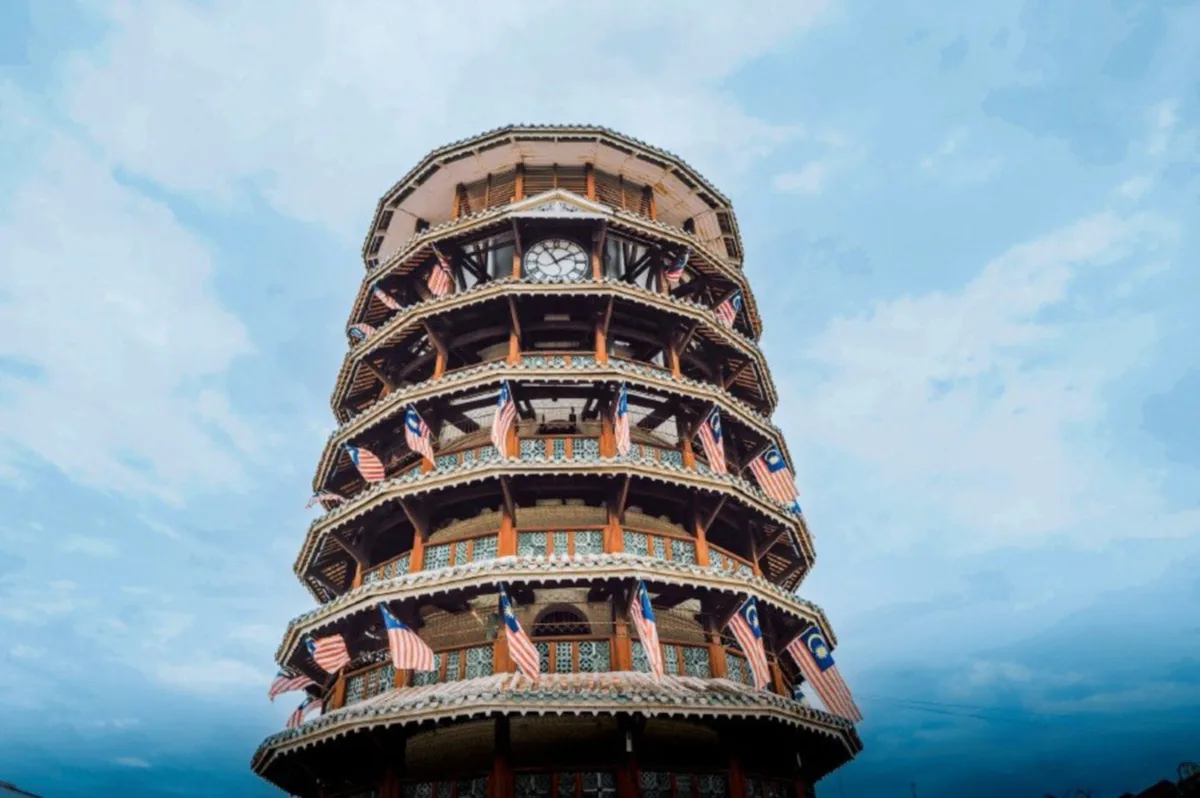
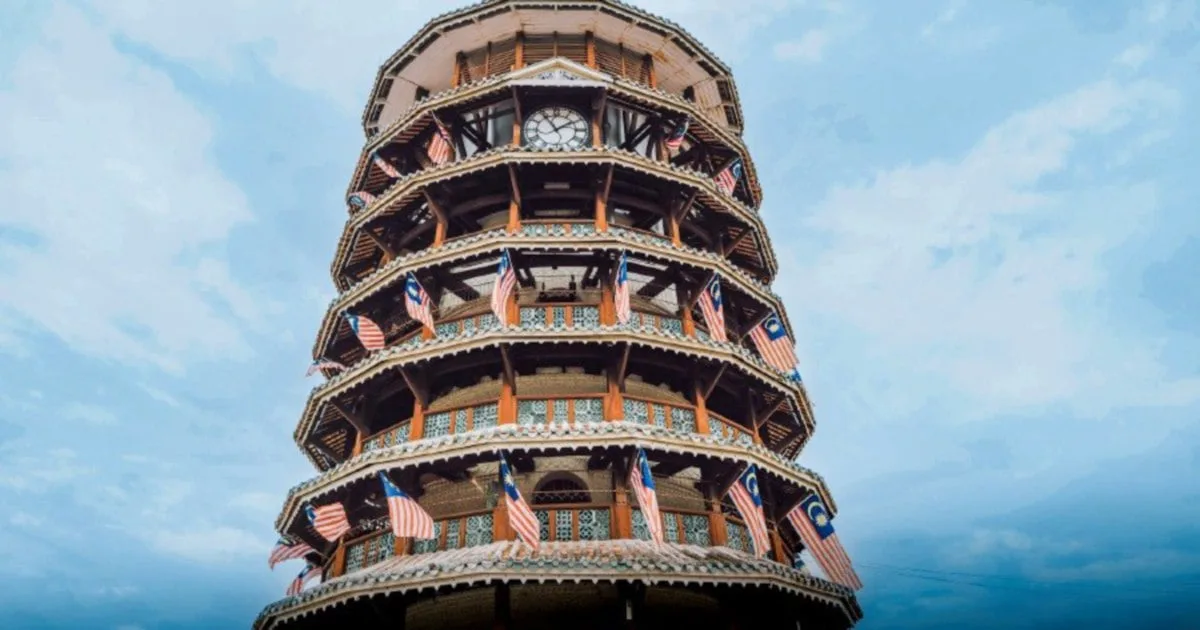
Major projects include conserving the Leaning Tower of Teluk Intan, upgrading the Malaysian Handicraft Development Corporation building, and enhancing the Kinta Riverwalk tourism area. Maintenance efforts cover Firefly Jetty in Kampung Dew, facilities at Ulu Licin Forest Eco Park, and infrastructure at the Gopeng water rafting drop-off [1].
The Festival Budaya Malaysia 2026 was held from June 25 to 28 at Bulatan Sultan Azlan Shah in Perak. Perak Menteri Besar Datuk Seri Saarani Mohamad said the festival coincided with preparations for Visit Malaysia Year 2026 and aimed to stimulate the local economy through showcasing cultural products and business opportunities [1, 2, 3].
Malaysia’s tourism strategy integrates arts and culture as key attractions, with Deputy Minister Chiew highlighting efforts to empower local traditions like the dabus dance, labu sayong, gold thread embroidery art, and Ipoh gastronomy. He described this as a "two-pronged strategy" to preserve national identity while boosting grassroots economic activity via creative industries [2]. The state’s plans also align with the Malaysia MADANI vision of integrating culture, arts, and heritage into social development [3].
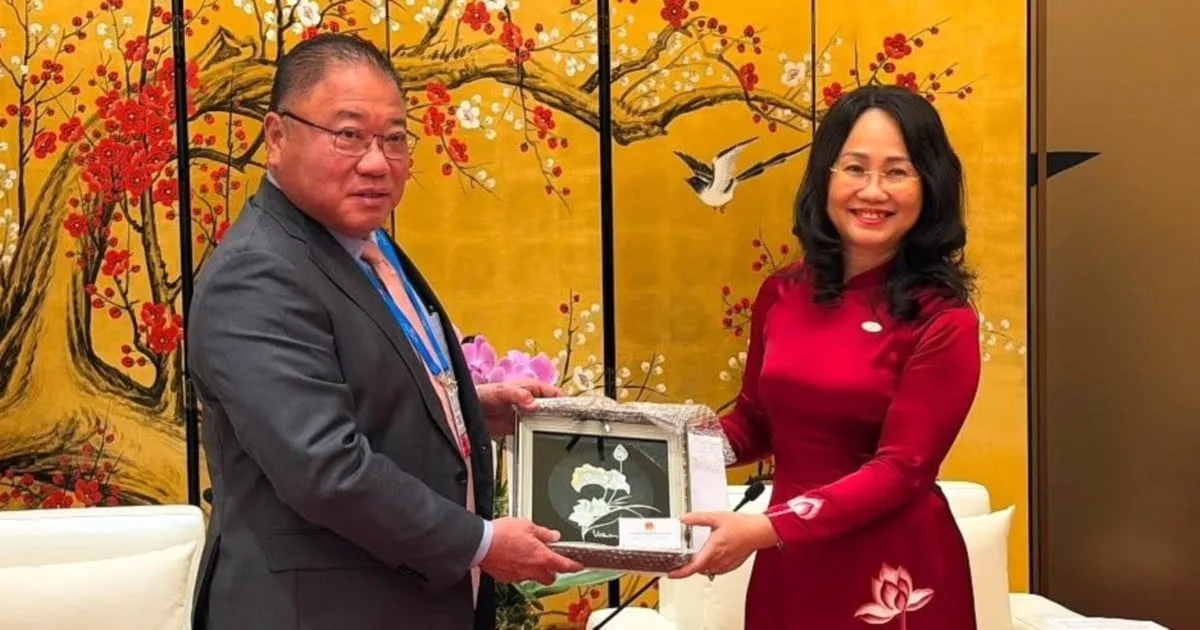
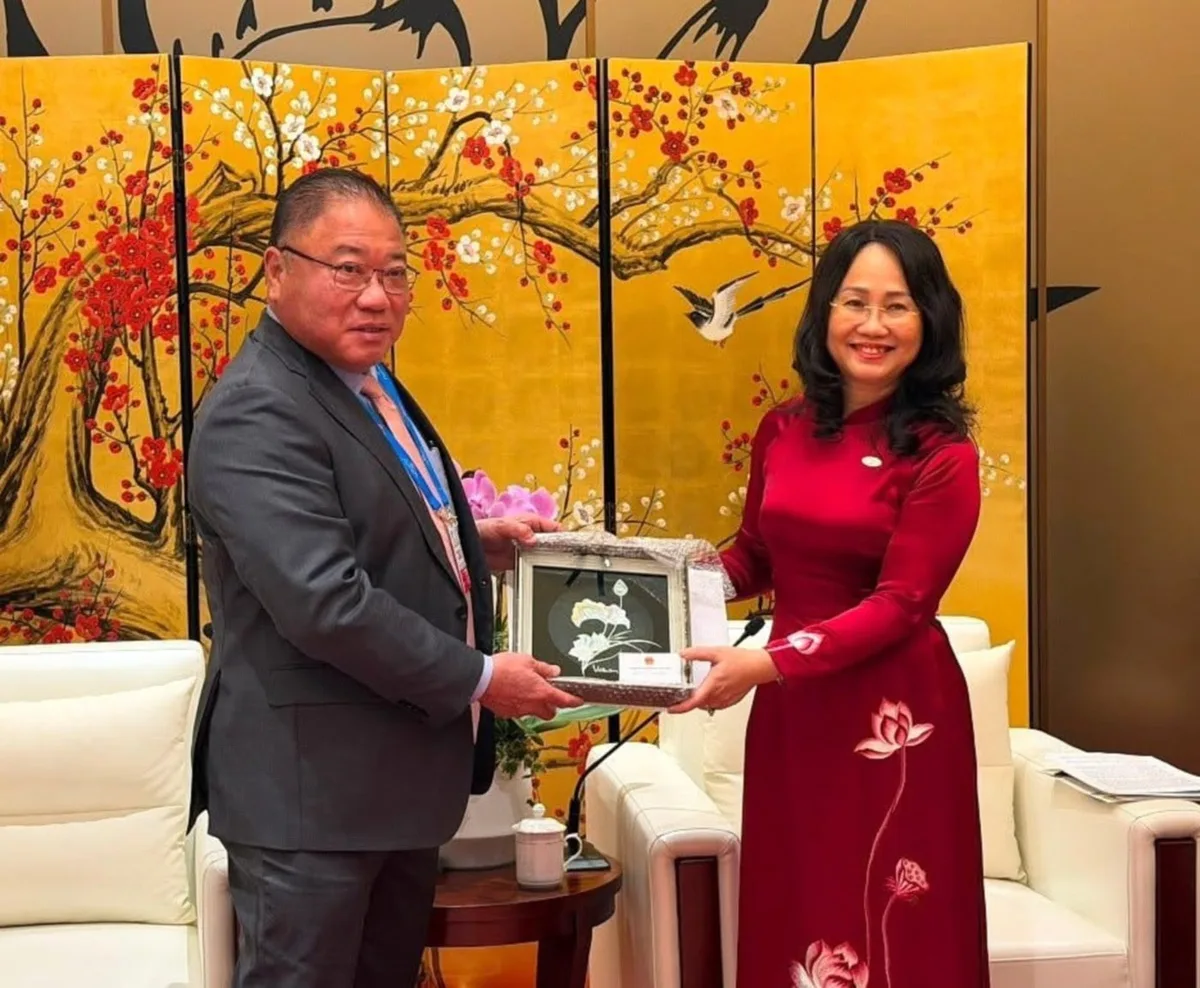
Bilateral cooperation with Vietnam is strengthening, focusing on tourism and cultural sectors including medical and halal tourism. Tourism, Arts and Culture Minister Datuk Seri Tiong King Sing said Malaysia values Vietnam as an important ASEAN partner and looks forward to "working more closely together to create new opportunities" and strengthen people-to-people ties [4]. Malaysia has been invited to participate in multiple events in Vietnam for 2026 and 2027 including the Vietnam International Travel Mart and cultural dialogues [4].