The Malaysian Cabinet gave in-principle approval on August 27 for the development of the Bandar Malaysia-Seri Kembangan Elevated Expressway (BSE) project, aimed at enhancing the transport network in the Greater Kuala Lumpur area [1, 2, 3]. The elevated expressway will connect and integrate several major highway systems, including the Kuala Lumpur-Seremban Expressway, Maju Highway (MEX), Sungai Besi Expressway (BESRAYA), New Pantai Expressway (NPE), Shah Alam Highway (KESAS), and the Kuala Lumpur Traffic Dispersal System (SPRINT) [1, 2, 3].
This infrastructure will provide motorists with an alternative route, facilitating smoother movement between the northern, southern, and east coast corridors of Peninsular Malaysia [1, 2, 3]. The project aims to reduce travel times, improve access to key employment centres, educational institutions, and public services, and enhance public mobility and logistics efficiency. It is expected to support the movement of goods across key economic zones [1, 2, 3].
Officials describe the BSE as a long-term investment aligned with Malaysia MADANI aspirations, promoting inclusive development and strengthening the country's economic competitiveness [2, 3]. The expressway development will follow a private-sector financing model, with no direct financial burden on the federal government [2, 3].
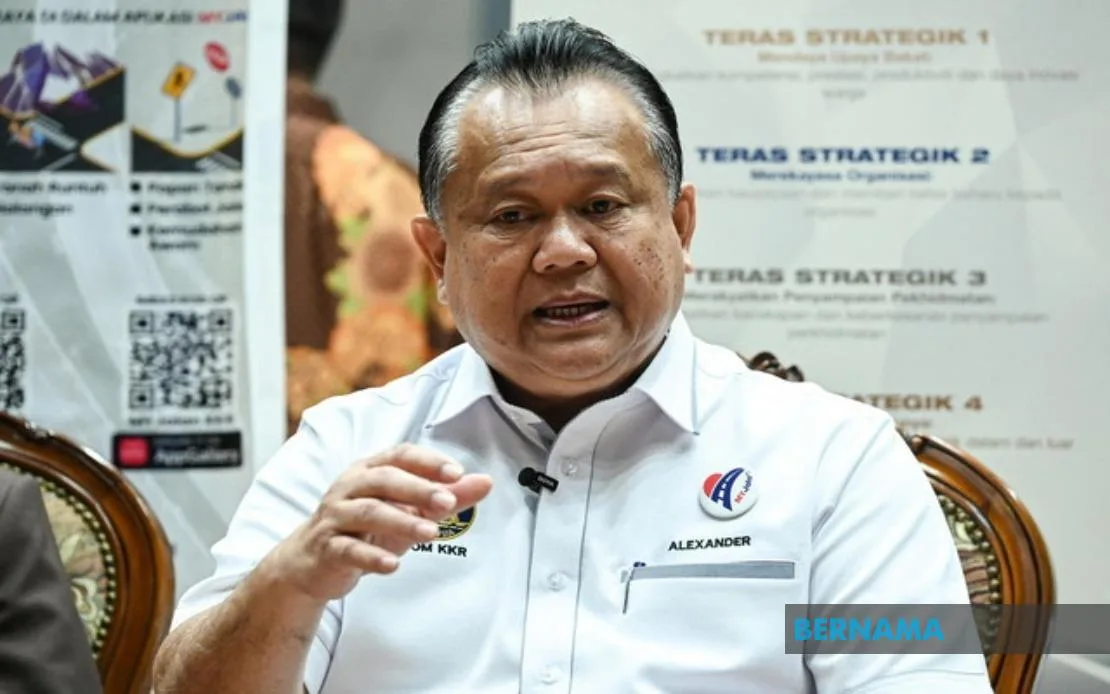
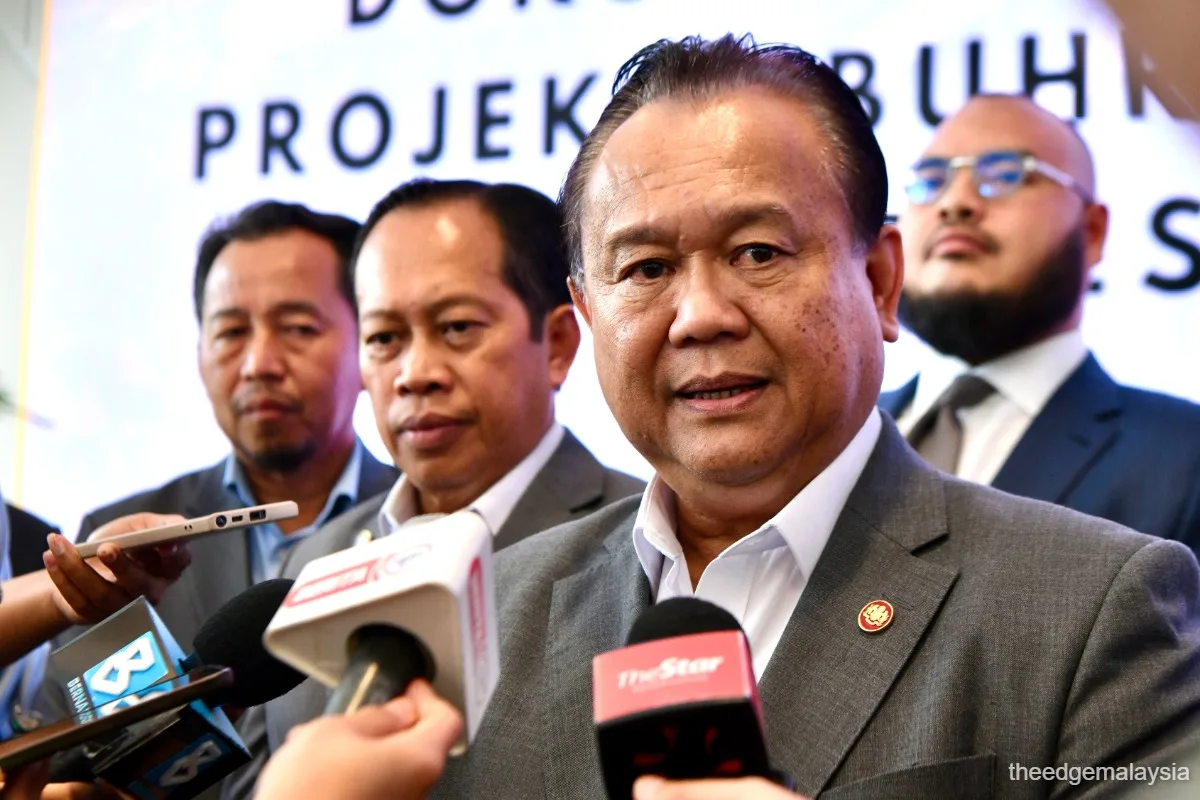
Following the Cabinet's in-principle approval, the Ministry of Works and relevant agencies, including the Public Private Partnership Unit (UKAS), will conduct negotiations and detailed assessments to finalise the project's implementation structure [1, 2, 3]. Works Minister Datuk Seri Alexander Nanta Linggi emphasized the government's commitment to thorough evaluation, stating, "The government will ensure that every aspect of this project is thoroughly evaluated, especially in terms of public interest, value for money for the country and fiscal sustainability, before any final decisions are made on its implementation" [2].