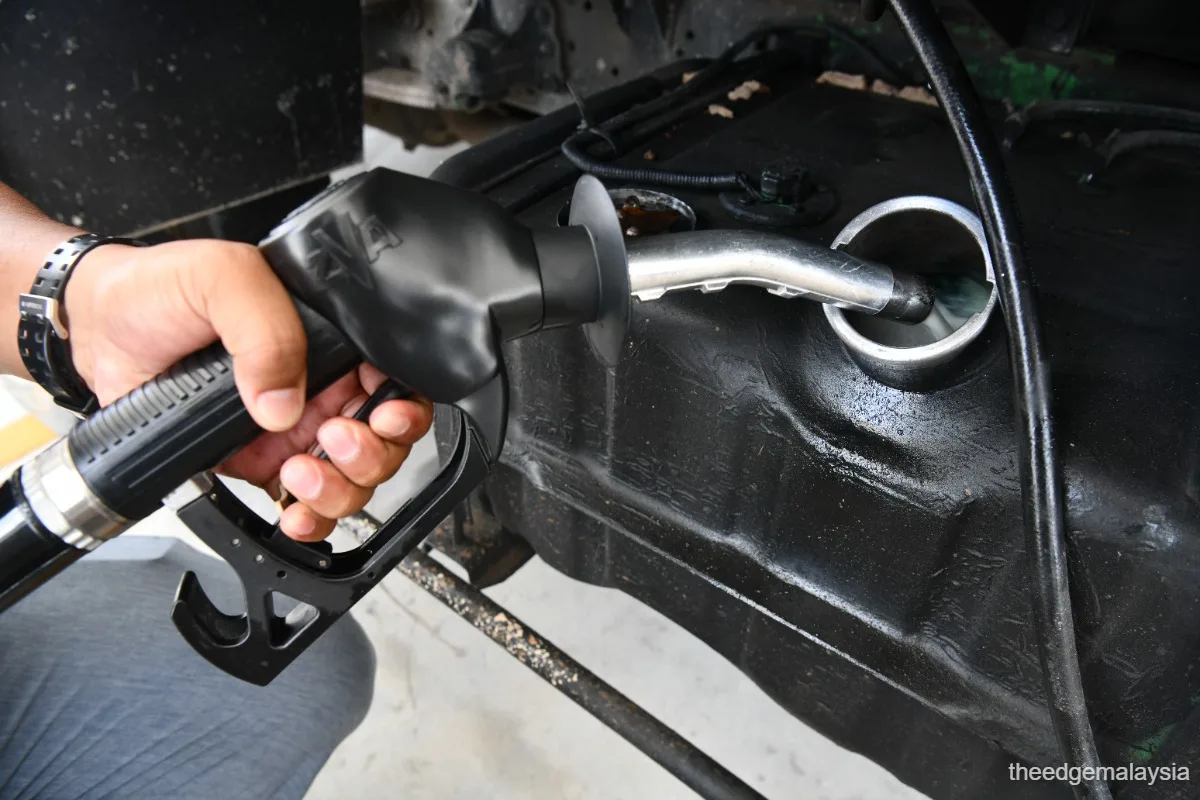
The Malaysian government has agreed to expand eligibility for the Subsidised Diesel Control System (SKDS) to include jeeps and pickup trucks for the land goods transport sector across the country starting June 1, 2026 [1, 2, 3, 4]. Previously, under SKDS, subsidy eligibility for these vehicles was limited to the Cameron Highlands area.
Domestic Trade and Cost of Living Minister Datuk Armizan Mohd Ali said, "Previously, eligibility for such vehicles was limited to the Cameron Highlands area. Beginning June 1, companies in the land goods transport sector nationwide that own jeeps and pickup trucks may apply to register under SKDS" [2].
Eligible companies can apply to register their jeeps and pickup trucks for the subsidy starting June 1. Diesel subsidy benefits will also extend to vehicles previously registered under individual ownership, provided ownership is transferred to a company and approved by the Road Transport Department [1, 2, 3, 4]. Individual operators involved in land goods transport are encouraged to register their businesses with official authorities such as the Companies Commission of Malaysia or the relevant state bodies in Sabah and Sarawak.
The government has revised the fixed monthly quota limits for each fleet card to curb subsidy leakages and misuse. Fleet cards will have quotas ranging between 900 litres and 5,000 litres monthly depending on the vehicle category and transport usage patterns reviewed during the two-year SKDS implementation period [1, 2, 3, 4]. Companies needing diesel beyond the fixed quota can submit appeals to the Petroleum Subsidy Approval Committee (JKSP) through online email or in person at Domestic Trade ministry offices [2, 3, 4].
The Federation of Malaysian Consumers Associations (Fomca) welcomed the broader subsidy eligibility to help ease rising transport and logistics costs that impact prices of food and essentials. Their CEO Saravanan Thambirajah said, "Reduced transportation costs from the expanded diesel subsidy would not automatically result in lower prices for consumers without effective monitoring and enforcement" [5]. He also noted that requiring individual owners to register as companies might improve accountability but could challenge smaller or informal operators without financial resources.
Separately, Economy Minister Akmal Nasrullah Mohd Nasir was briefed today on the logistics and cost pressures facing the agri-commodity sector amid geopolitical tensions, including the ongoing Iran war. The sector is experiencing increases in shipping, plantation, processing, and agricultural input costs [6].
Since June 10, 2024, SKDS 2.0 has allowed eligible businesses to purchase diesel at RM2.15 per litre, subject to quotas and eligibility rules [6]. In 2025, Malaysia’s total trade value reached RM271.64 billion, with palm oil exports contributing 63.5% or RM124.89 billion [6].
The subsidy expansion and revised quota measures will take effect on June 1, 2026 [1, 2, 3, 4].