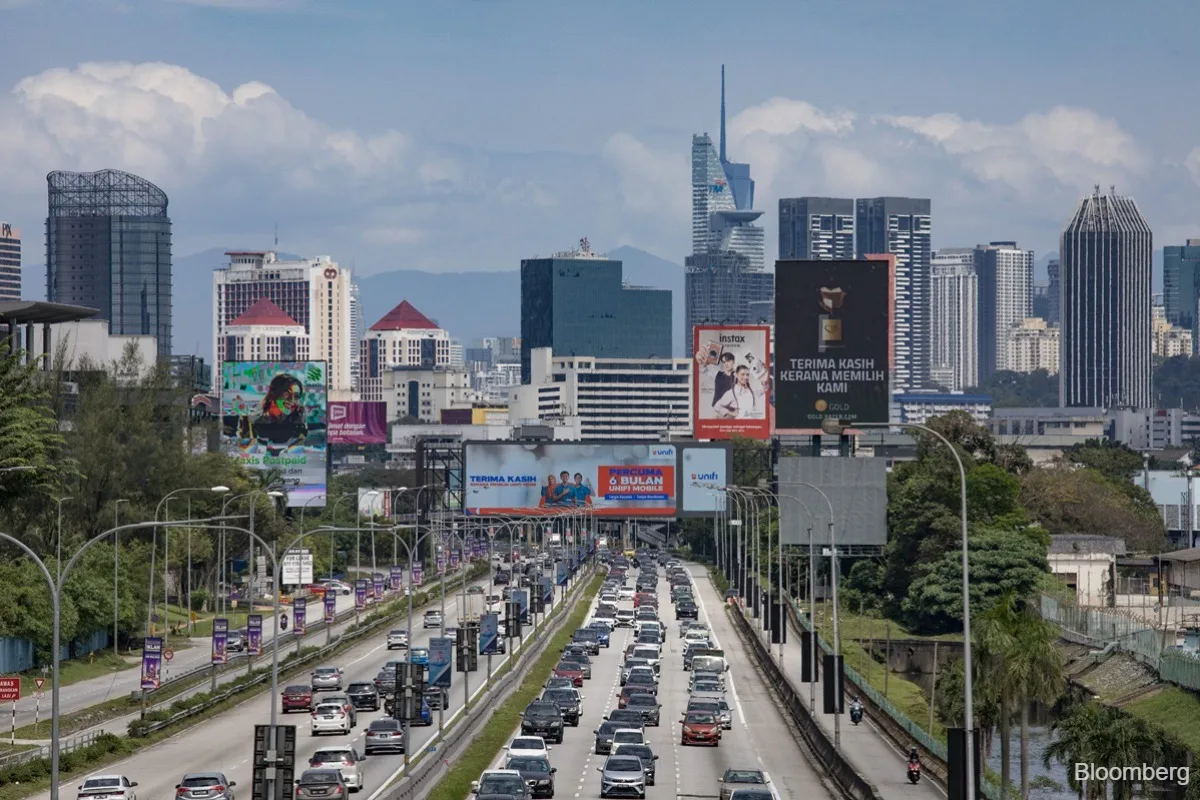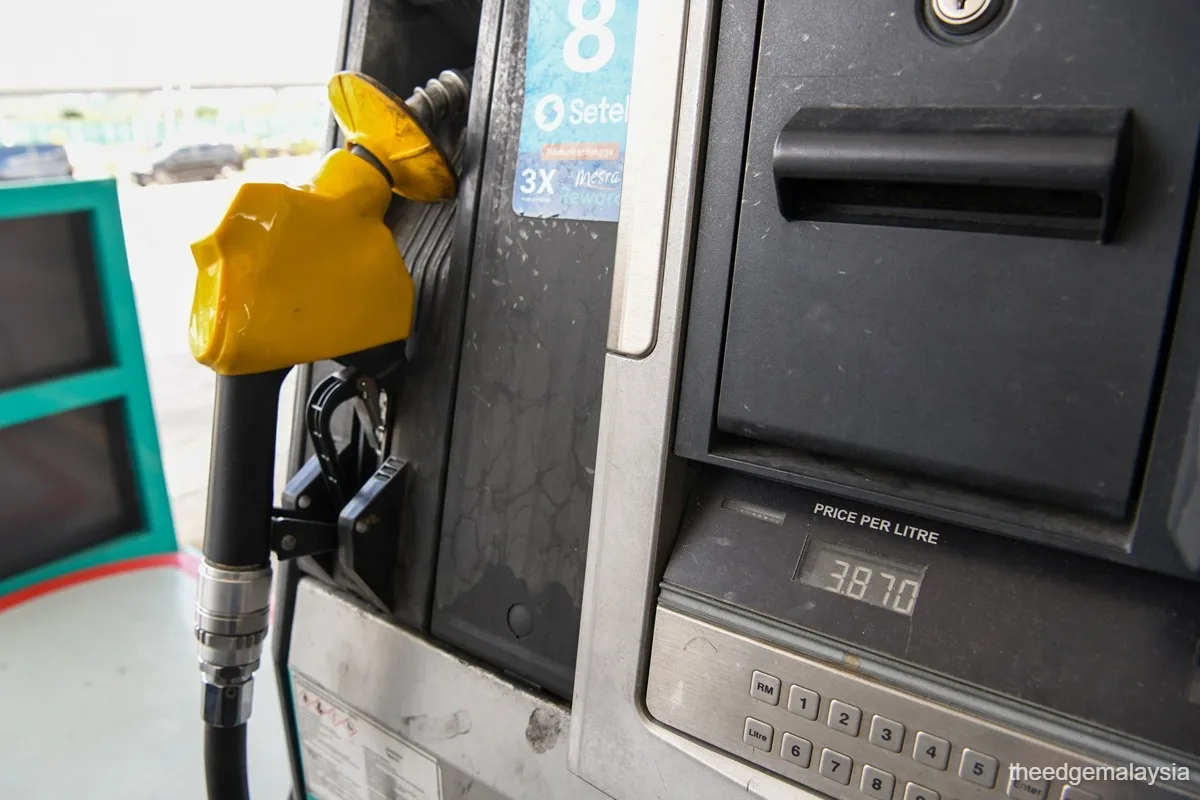
Malaysia's monthly fuel subsidy bill surged from RM700 million in January 2026 to RM5 billion as of June, peaking at over RM7 billion in April amid the global energy crisis, putting heavy strain on the national budget [1, 2]. PPPK chairman Tan Sri Mohd Hassan Marican said the government’s subsidy reforms over the past two years prevented a far worse financial position today.
Petronas has absorbed hundreds of millions of ringgit in increased procurement and operational costs to ensure domestic fuel security during the turmoil [1]. The government is shifting from broad subsidies to more targeted support to improve fiscal sustainability and reduce leakages [1]. Economy Minister Akmal Nasrullah Mohd Nasir said inflation remains manageable at 1.9% in June and is expected to stay between 1.5% and 2.5% for the year despite supply pressures [3]. He noted mitigation includes targeted fuel subsidies, controls on logistics costs through the Subsidised Diesel Control System, and RM5 billion in new financing to support businesses [3].
Job losses rose by 8.4% in May 2026 to 7,766 cases, linked to global supply chain issues related to Middle East conflicts, but job placements increased 19% month-on-month. The unemployment rate held steady at 3.0% that month [4, 5]. Malaysia’s fiscal deficit may hit 4.5% of GDP in 2026, above the official target of 3.5%, driven largely by expanded fuel subsidies [2]. Statutory debt stood at 64% of GDP as of June 2025 with total public sector debt exceeding 80% of GDP including government-guaranteed debts [2]. The government aims to reduce the deficit to 3% of GDP by 2028 and cut subsidy spending to fund development [2].
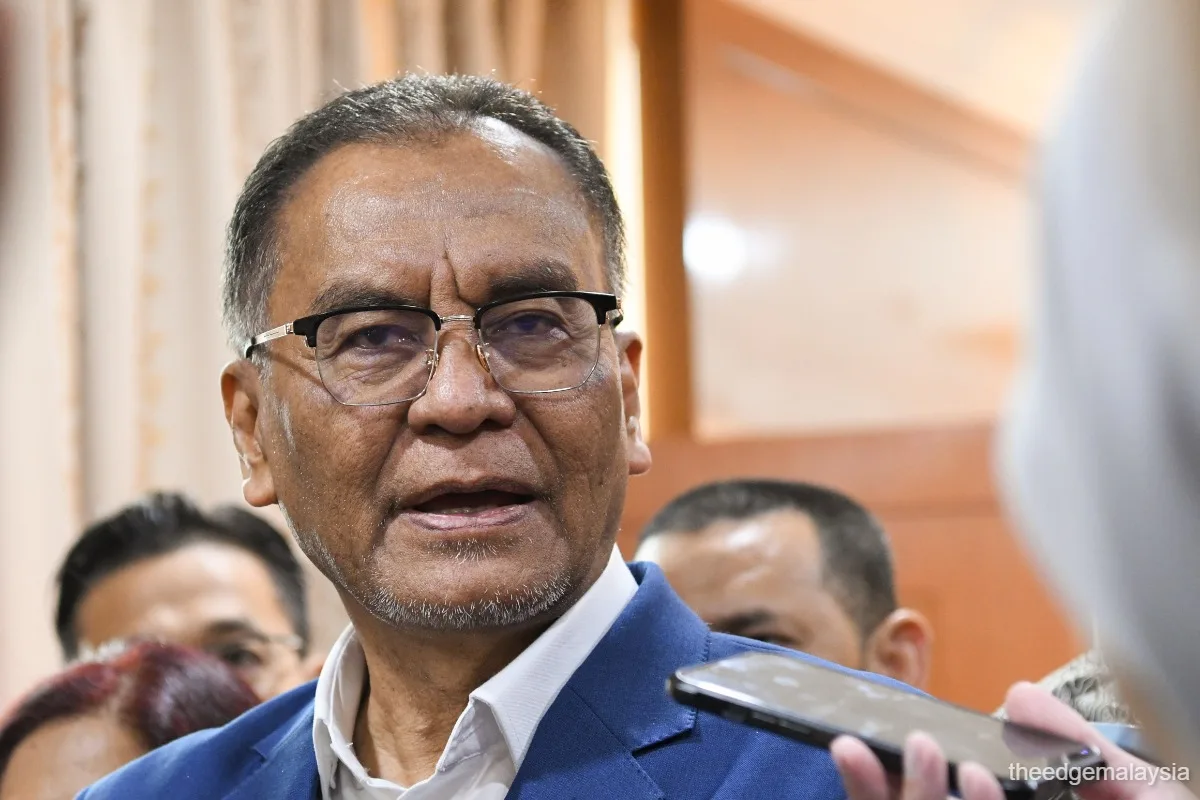
Despite challenges, energy supply, food, and medicine stocks remain stable after more than 100 days of global crisis. Over 70% of medicines in public health facilities have stocks exceeding three months. Only 14 critical medicine items are rated as high risk due to stock below 60 days, Health Minister Datuk Seri Dr Dzulkefly Ahmad said, emphasizing patient supplies remain sufficient [6, 7]. Nurhisham Hussein added fuel stocks are enough through July with August preparations underway [7].
Selangor state reported a strong financial position with RM1.6 billion revenue collected and a RM300 million surplus as of May, requiring no emergency measures, said Menteri Besar Amirudin Shari [8]. Prime Minister Datuk Seri Anwar Ibrahim highlighted Malaysia’s political stability and strong diplomatic ties, which ensure continued access to oil and gas despite global uncertainties. He said relations with major powers remain friendly and domestic politics stable, which supports investor confidence [9]. He also reaffirmed federal cooperation with Sabah state on development progress [10].
About one-third of Malaysia’s power generation uses domestically produced liquefied natural gas, and coal imports are secured under long-term contracts, helping to stabilize energy supply [7].