Disruptions in energy and petrochemical supplies threaten critical sectors in Malaysia, including medical supplies, food packaging, and agricultural fertilisers, officials warn [1].
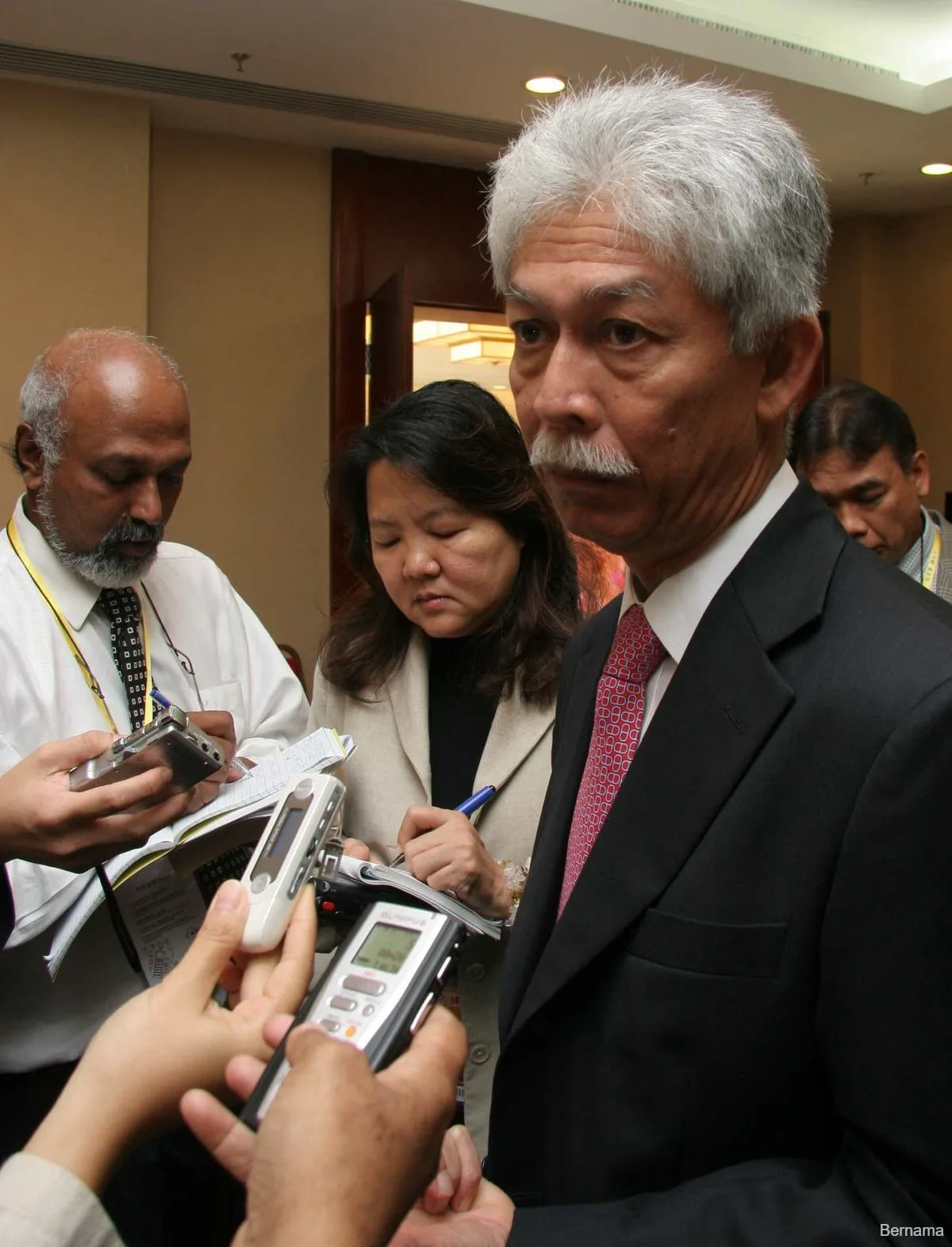
Tan Sri Mohd Hassan Marican emphasized the scope of the crisis, stating, "Treating it purely as an oil price issue is a very common misconception. It is fundamentally a physical supply crisis" [2]. He explained the disruption began with fuel and logistics cost hikes and has spread to petrochemical feedstocks, plastics, fertilisers, manufacturing, and construction industries, creating cascading challenges across the economy [2, 3, 4].
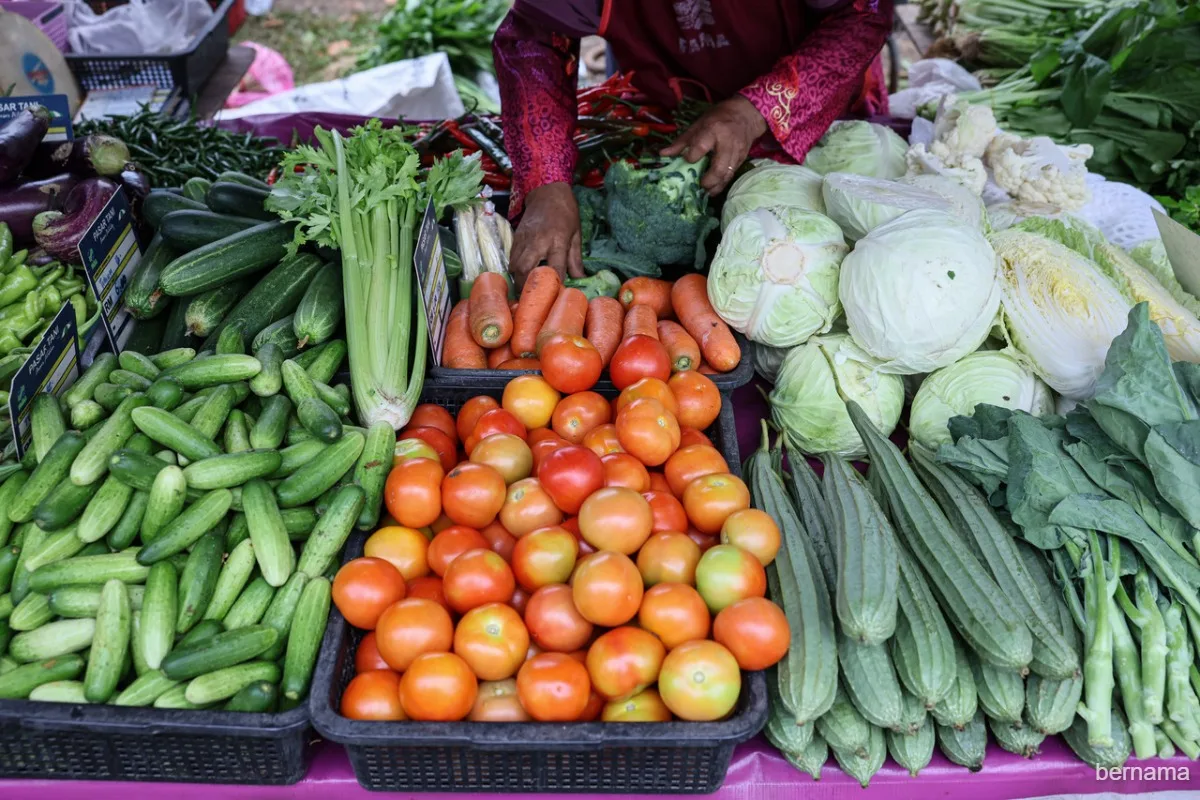
This supply crunch will eventually impact households through broader cost-of-living increases, Tan Sri Mohd Hassan said, adding, "Eventually, it will reach households through broader cost-of-living pressures" [3].
Despite Malaysia’s relative strengths — including an established oil and gas ecosystem, substantial domestic refining capacity, and institutions like PETRONAS that help stabilize supply shocks — the country remains vulnerable as an open economy exposed to external disruptions [2, 3, 4].
The government has taken several steps to mitigate the effects, such as implementing fuel subsidies via the Budi Madani and Subsidised Diesel Control System programs, providing cash assistance through Sumbangan Tunai Rahmah and Sumbangan Asas Rahmah, intervening in strategic food supplies, and offering financing support to micro, small, and medium enterprises (MSMEs) [2, 3, 4].
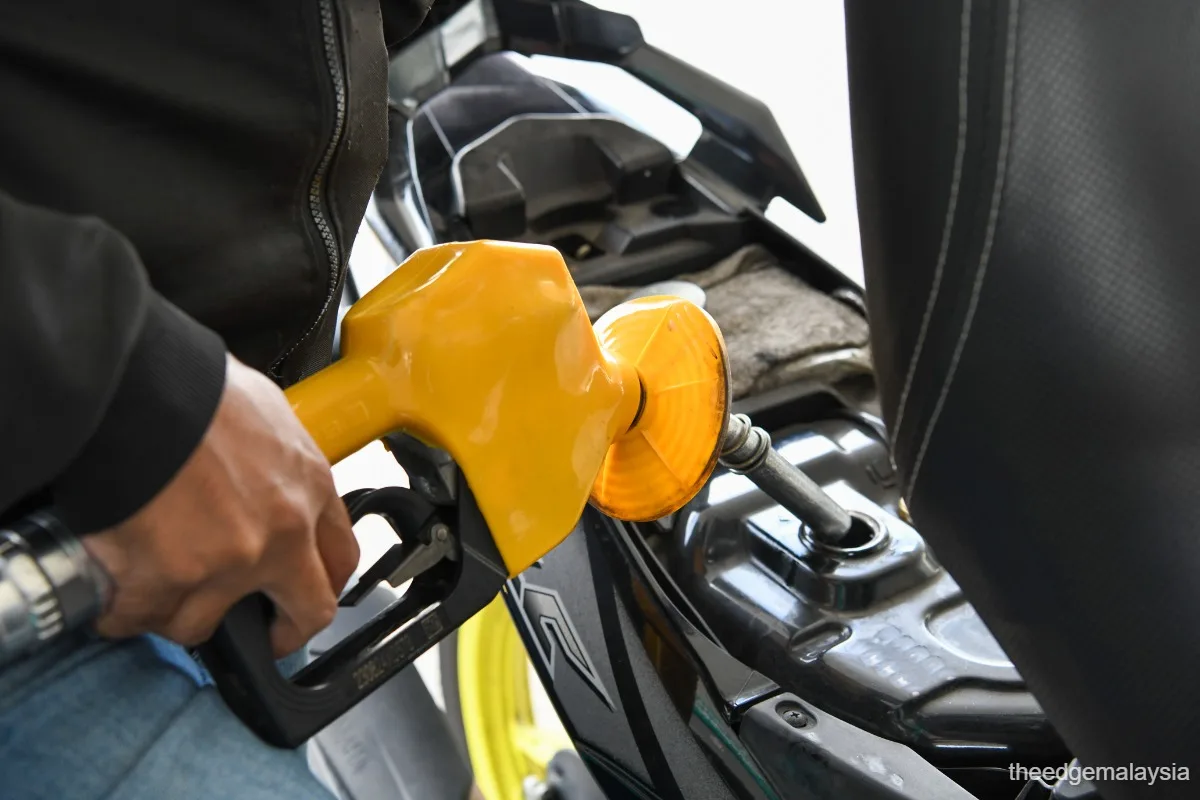
Authorities also stress the importance of public cooperation to bolster national resilience. Tan Sri Mohd Hassan urged citizens to reduce waste, conserve energy, optimize logistics, and manage household spending carefully, noting, "Every litre of fuel consumed unnecessarily, every instance of hoarding and every form of wastage add pressure to supply systems that are already under strain" [5].
On June 8, 2026, Tan Sri Mohd Hassan Marican gave interviews outlining how the global supply and energy crisis posed complex challenges to Malaysia’s economy and households, providing the detailed assessment that has guided government responses so far [1, 2, 5, 3, 4].